
How To Organise Your Home For Maximum Efficiency: A Step-by-step Guide

A cluttered home can feel overwhelming, making everyday tasks harder and more time-consuming. Organising your living space not only improves the aesthetics of your home, but it also enhances your productivity and mental well-being. When everything has its place, it becomes easier to find things, keep surfaces tidy, and reduce stress. Whether you're aiming to streamline your kitchen, organise your living areas, or optimise your storage solutions, the key to a more efficient home lies in thoughtful organisation and smart strategies. In this article, we’ll walk you through several simple yet effective ways to organise your home for maximum efficiency.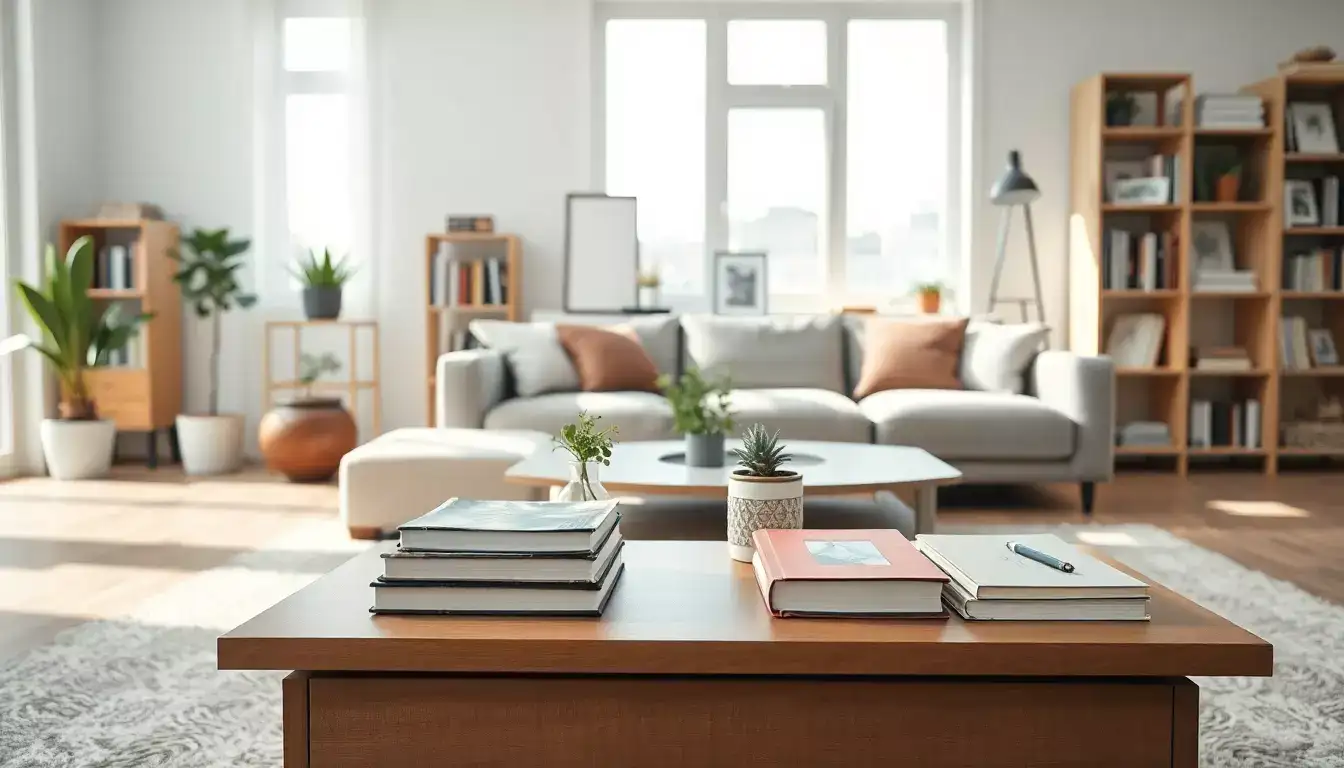
1. Declutter First: Simplify Your Space
The first step to an organised home is eliminating items you no longer need. Clutter can accumulate quickly, but it’s important to sort through it and let go of things that don't serve a purpose. Begin with one room or area at a time to avoid feeling overwhelmed.
After decluttering, the next step is creating systems that make it easy to store and access your belongings. Effective organisation revolves around maintaining order and making everyday tasks easier.
Efficient use of storage space is key to maintaining an organised home. By taking advantage of every inch of available space, you can keep your home neat and maximise functionality.
A well-organised home includes clearly defined spaces for specific activities. Having a designated place for tasks such as work, meals, or entertainment helps maintain order.
Organisation is not a one-time task; it requires maintenance to stay efficient. Set aside time each week or month to keep things in order, preventing clutter from building up again.
An organised home is easier to maintain when everyone in the household is involved. Create systems that are accessible and easy for all family members to use, from children to adults.
Minimalism can be a powerful approach to maximising efficiency in your home. By focusing on quality over quantity and keeping only what you need, you can create a more streamlined, clutter-free environment.
1. Declutter First: Simplify Your Space
The first step to an organised home is eliminating items you no longer need. Clutter can accumulate quickly, but it’s important to sort through it and let go of things that don't serve a purpose. Begin with one room or area at a time to avoid feeling overwhelmed.
- Start Small: Begin with areas that are easiest to tackle, such as a drawer or a countertop. Once you experience the satisfaction of clearing a space, you’ll be motivated to keep going.
- Sort Items: Create three piles—keep, donate, and discard. Be honest with yourself about what you truly use and need. If you haven’t used something in the past year, it may be time to part with it.
After decluttering, the next step is creating systems that make it easy to store and access your belongings. Effective organisation revolves around maintaining order and making everyday tasks easier.
You may also like
- JJ Valaya's SIDDI was a love letter to heritage, craft and timeless couture
- From Delhi to Odisha: Heavy to extremely heavy rainfall expected across India; IMD warns of flooding and travel disruptions
- Word of the day: Bollard
- Makeup brand giving away 1,000s of free driving lessons because their primer is so strong
- Quote of the Day by Confucius, "When you see a worthy person, endeavor to emulate him. When you see an unworthy person, then...."
- Categorise: Group similar items together to keep them organised. For example, store all kitchen utensils in one drawer, and keep cleaning products in a designated cupboard.
- Storage Solutions: Use baskets, bins, and containers to store smaller items. Transparent containers can help you identify the contents without opening them, saving time and reducing frustration.
- Label Everything: Labelling containers and shelves helps everyone in the household know where things go. It makes tidying up quicker and more intuitive, reducing the likelihood of things being misplaced.
Efficient use of storage space is key to maintaining an organised home. By taking advantage of every inch of available space, you can keep your home neat and maximise functionality.
- Vertical Space: Don’t forget to use your walls. Install shelves, hooks, or pegboards to store items off the floor and make more space available for other uses.
- Under-Bed Storage: Beds can be a hidden storage space. Use under-bed drawers, boxes, or baskets to store items that are not in regular use, such as seasonal clothing or extra bedding.
- Closet Organising: Optimise your closet space by using dividers, shoe racks, or hanging organisers. For clothes, consider using slim hangers to maximise hanging space.
A well-organised home includes clearly defined spaces for specific activities. Having a designated place for tasks such as work, meals, or entertainment helps maintain order.
- Work Zones: If you work from home, create a designated office space. Keep your desk clear of unnecessary items, and store paperwork in organised filing systems. Having a focused area for work ensures you stay productive and reduces distractions.
- Meal Prep Areas: Keep kitchen counters clear by designating specific areas for food preparation, cooking, and cleaning. This helps reduce clutter and keeps the cooking process more efficient.
- Living Room Layout: Keep your living room organised by allocating specific areas for entertainment, reading, or relaxation. Store remote controls, books, and magazines in accessible baskets or shelves to maintain a tidy appearance.
Organisation is not a one-time task; it requires maintenance to stay efficient. Set aside time each week or month to keep things in order, preventing clutter from building up again.
- Daily Tidying: Spend 10 to 15 minutes each day tidying up. A quick daily routine of putting away items and cleaning surfaces can make a huge difference in maintaining order over time.
- Weekly Reviews: Once a week, assess your organisational systems and see if they’re still working effectively. If an area starts to accumulate clutter again, address it before it becomes a bigger issue.
- Seasonal Decluttering: Every few months, perform a more thorough declutter to get rid of items that are no longer needed. This is particularly important with seasonal items like clothing and décor, which can take up valuable storage space.
An organised home is easier to maintain when everyone in the household is involved. Create systems that are accessible and easy for all family members to use, from children to adults.
- Clear Instructions: Teach everyone in the house how to maintain the organisational systems you've put in place. Set guidelines for where things belong and how to use storage spaces effectively.
- Make it Fun: Get kids involved in organising by turning the task into a fun activity. You can reward them with praise or small incentives for helping with the organisation.
Minimalism can be a powerful approach to maximising efficiency in your home. By focusing on quality over quantity and keeping only what you need, you can create a more streamlined, clutter-free environment.
- Mindful Purchases: Before acquiring new items, ask yourself if they truly add value to your life. Aim to buy only what you truly need or what will have a functional purpose in your home.
- Simplicity: In your design choices, opt for simple, functional furniture and décor that won't contribute to unnecessary clutter.






Loving Newspoint? Download the app now
