
Planning a Road Trip with Your Dog? Use This Essential Checklist

Travelling with a dog can turn an ordinary holiday into a memorable shared experience. However, bringing a pet along requires more planning than simply placing a lead and food bowl in the car.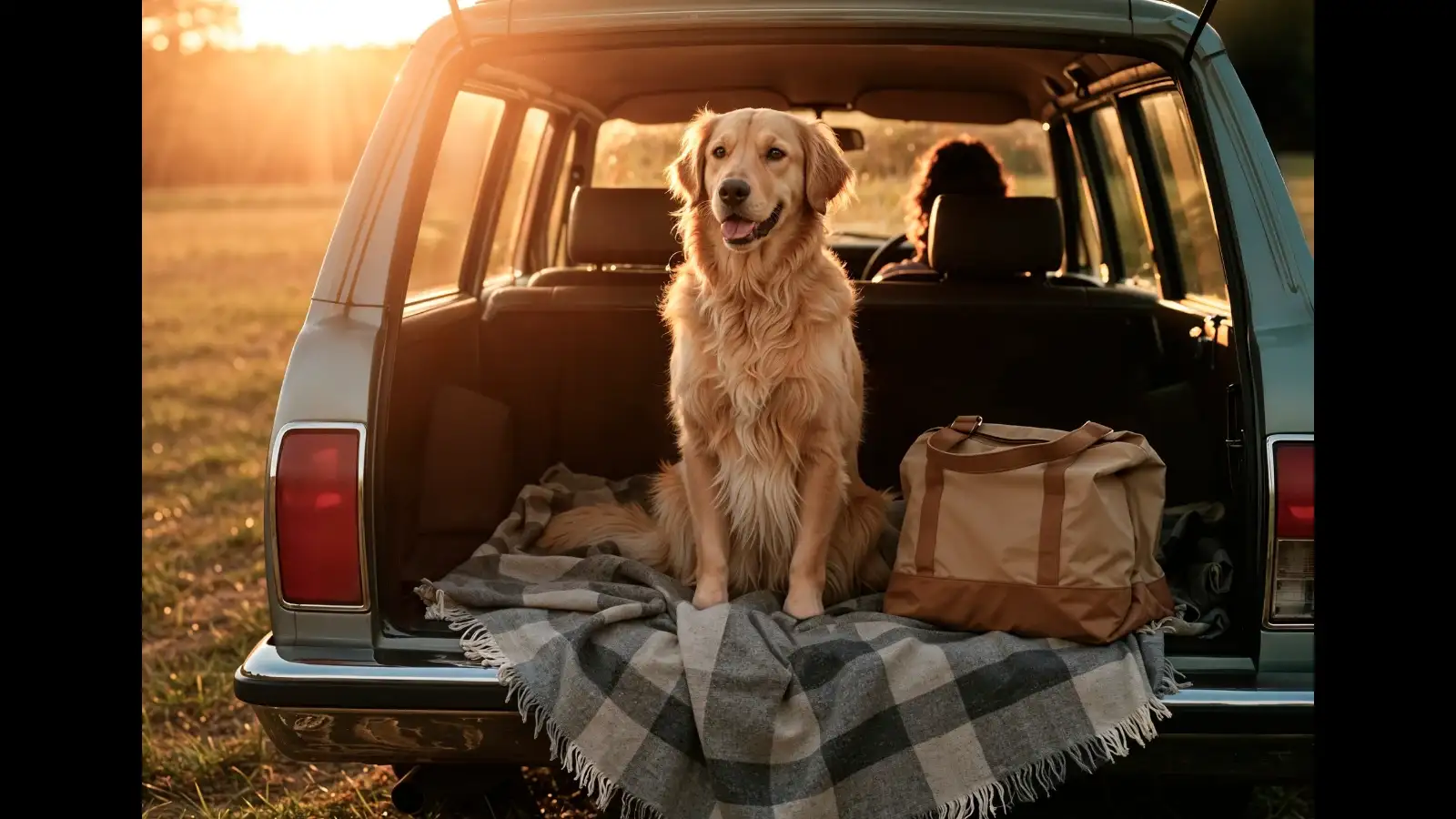
The journey should account for the dog's comfort, secure transport, feeding routine and access to suitable places for breaks. Planning these details in advance can reduce last-minute decisions and make the trip more manageable for everyone.
Ask about additional charges, cleaning requirements, designated walking areas and rules for leaving a dog unattended.
If you plan to visit beaches, parks or heritage attractions, check their current pet policies. Not every public place permits animals, and some areas may have specific restrictions.
Save the accommodation's contact details and booking confirmation where they are easy to access.
Keep everyday food packed securely to prevent spills and avoid having to search for supplies at each stop.
Do not allow the dog to move freely around the cabin, sit on the driver's lap or interfere with the pedals and controls.
Introduce the equipment gradually before the trip if your dog is unfamiliar with it. A short practice journey can help you understand how the animal responds to the set-up.
Keep the cabin ventilated and comfortable. The American Society for the Prevention of Cruelty to Animals advises that pets should never be left alone in parked vehicles because temperatures can rise rapidly, even when the weather does not initially feel very hot.
Choose safe stopping places away from fast-moving traffic. Keep the dog on a lead whenever necessary and clean up after it.
Never open the car door without first securing the lead or harness. An unfamiliar parking area can be distracting, and a loose dog may move towards traffic.
Allow enough time for breaks rather than trying to cover the entire distance without stopping.
Avoid introducing new foods simply because you are travelling. Familiar meals are easier to manage during a busy trip.
Check local rules before visiting crowded areas, religious sites, restaurants or protected natural spaces.
With preparation, secure transport and a flexible schedule, travelling with a dog can become a more enjoyable experience. The best itinerary is one that considers the needs of both the people and the pet sharing the journey.
The journey should account for the dog's comfort, secure transport, feeding routine and access to suitable places for breaks. Planning these details in advance can reduce last-minute decisions and make the trip more manageable for everyone.
Check whether the destination welcomes pets
Start by confirming that your accommodation accepts dogs. A property may describe itself as pet-friendly but still have restrictions on the size of the animal, the number of pets or the areas where they are permitted.Ask about additional charges, cleaning requirements, designated walking areas and rules for leaving a dog unattended.
If you plan to visit beaches, parks or heritage attractions, check their current pet policies. Not every public place permits animals, and some areas may have specific restrictions.
Save the accommodation's contact details and booking confirmation where they are easy to access.
Prepare a travel kit
Keep your dog's essential supplies together in one bag. A useful checklist includes:- Drinking water and a familiar water bowl
- Regular food and suitable treats
- A lead, harness and identification tag
- Waste bags
- Familiar bedding or a small blanket
- A favourite toy
- Cleaning supplies
- A copy of relevant vaccination and travel records, if required by the destination
Keep everyday food packed securely to prevent spills and avoid having to search for supplies at each stop.
Make car travel comfortable
Your dog should be secured appropriately during the drive. Depending on the animal and vehicle, this may involve a suitable travel crate or a properly fitted canine car restraint.Do not allow the dog to move freely around the cabin, sit on the driver's lap or interfere with the pedals and controls.
Introduce the equipment gradually before the trip if your dog is unfamiliar with it. A short practice journey can help you understand how the animal responds to the set-up.
Keep the cabin ventilated and comfortable. The American Society for the Prevention of Cruelty to Animals advises that pets should never be left alone in parked vehicles because temperatures can rise rapidly, even when the weather does not initially feel very hot.
Plan regular breaks
Schedule appropriate stops during the journey so your dog can drink water, stretch its legs and relieve itself.You may also like
- Forced to drop out of school for a year when her father could not pay the fees, Mavis Tak failed the UPSC exam twice before clearing it and is now a 2022-batch IPS officer serving as ASP in Uttar Pradesh's Sonbhadra
- Cancer: diagnoses rise across India.. what drives it?
- High blood pressure during pregnancy can raise a woman's future risk of heart disease by up to 2.7 times; why postpartum monitoring matters
- Why Did Lord Shiva Save the Moon From Daksha's Curse?
- She failed UPSC 6 times, and her decade-long dream collapsed at 30; today she has taught around 900 kids and employed nearly 30 women: Meet Shruti Srivastava
Choose safe stopping places away from fast-moving traffic. Keep the dog on a lead whenever necessary and clean up after it.
Never open the car door without first securing the lead or harness. An unfamiliar parking area can be distracting, and a loose dog may move towards traffic.
Allow enough time for breaks rather than trying to cover the entire distance without stopping.
Be thoughtful about feeding
Follow your dog's established feeding routine as much as practical. The ASPCA advises feeding before departure rather than immediately before a car journey and recommends carrying sufficient drinking water.Avoid introducing new foods simply because you are travelling. Familiar meals are easier to manage during a busy trip.
Keep the itinerary flexible
A dog-friendly holiday should allow for slower movement and additional breaks. Avoid packing every day with activities that leave little time for the animal to rest.Check local rules before visiting crowded areas, religious sites, restaurants or protected natural spaces.
With preparation, secure transport and a flexible schedule, travelling with a dog can become a more enjoyable experience. The best itinerary is one that considers the needs of both the people and the pet sharing the journey.






Loving Newspoint? Download the app now
