
How To Protect Your Camera While Travelling And Capture Every Moment With Confidence

Whether you are exploring bustling cities, hiking through mountain trails or relaxing on a tropical beach, a camera often becomes one of the most important items in your travel bag. It allows you to preserve memories, document experiences and capture scenes that may never be repeated. However, travelling also exposes cameras to conditions that can affect their performance and longevity. Dust, moisture, rough handling and extreme temperatures can all take a toll on photography equipment.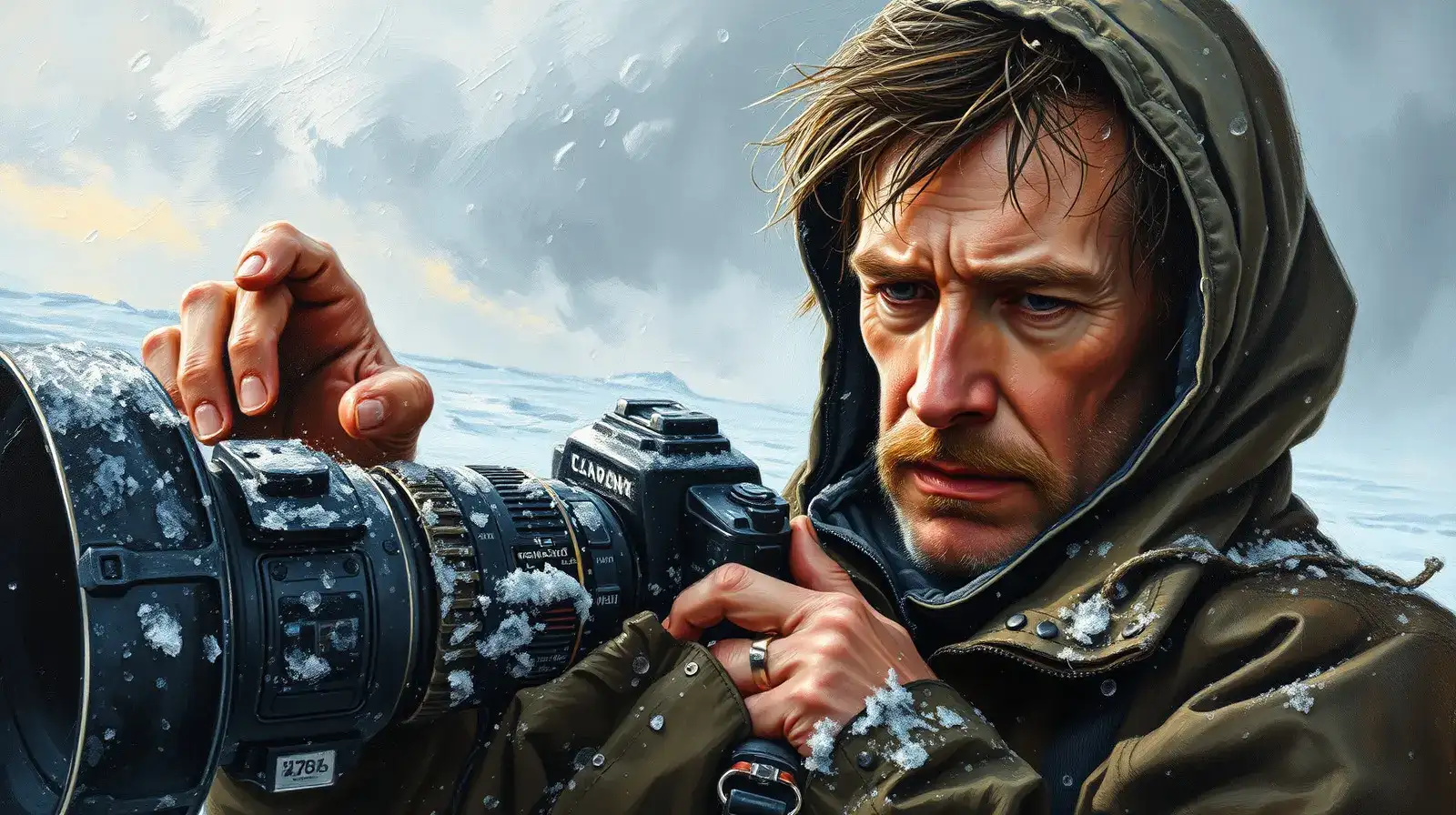
Many travellers invest significantly in cameras and lenses, yet camera care is often overlooked until a problem arises. A damaged lens, a drained battery or a dust-covered sensor can quickly turn an exciting photography opportunity into a frustrating experience. Fortunately, protecting your equipment does not require complicated routines. With a few practical habits and preventive measures, you can keep your camera functioning smoothly throughout your journey and beyond.
A dedicated camera bag offers padded compartments that reduce the risk of impact damage during transport. It also helps organise accessories such as batteries, memory cards and lenses, making them easier to access when needed.
Look for a bag that provides adequate cushioning and some level of weather resistance. If your travels involve outdoor adventures, a waterproof or water-resistant bag can offer additional protection against unexpected rain or spills.
Tiny particles can enter the camera body and lens mechanisms, potentially affecting image quality and performance. When not in use, keep your camera inside its bag and ensure lens caps are securely attached.
Avoid changing lenses in dusty conditions whenever possible. If a lens change is necessary, do it quickly and in a sheltered location to minimise exposure.
Carrying a lightweight rain cover or protective sleeve can help shield your camera during wet weather. Even a simple waterproof pouch can be useful in emergencies.
When moving from a cold environment into a warm one, condensation may form on the camera and lens surfaces. Allow the equipment to gradually adjust to the temperature before use to reduce the risk of moisture-related issues.
Always carry a microfibre cloth and a lens cleaning brush as part of your camera maintenance kit. Remove dust gently before wiping the lens surface to avoid scratches.
Never use rough fabrics, tissues or clothing to clean lenses, as these materials may damage delicate coatings. Regular lens care helps maintain image quality and prolongs the life of your equipment.
Travellers should carry at least one spare battery, particularly during long sightseeing days or outdoor excursions. Cold temperatures can reduce battery performance, so keeping spare batteries in an inner pocket may help maintain their charge.
Charge batteries whenever possible and avoid waiting until they are completely drained. This habit ensures your camera remains ready for unexpected photography opportunities.
Store cards in a protective case rather than leaving them loose in a bag or pocket. Label spare cards if you carry multiple units, making it easier to identify those that have already been used.
Backing up photographs regularly is another important practice. Using cloud storage, a laptop or an external drive can help prevent the loss of precious images if a memory card becomes damaged or misplaced.
Never leave your camera inside a parked vehicle for extended periods, especially during hot weather. Similarly, prolonged exposure to freezing conditions may reduce battery efficiency and affect operation.
When travelling through regions with challenging climates, store equipment appropriately and limit unnecessary exposure to extreme conditions.
At the end of each day, inspect your camera for dust, moisture or fingerprints. Wipe external surfaces gently and ensure the lens remains clean.
This brief routine only takes a few minutes but can prevent long-term wear and maintain consistent performance throughout your trip.
Travelling often places cameras in environments far more demanding than everyday use. From unpredictable weather to crowded transport systems, photography equipment faces numerous challenges along the way. By following basic camera care tips , travellers can reduce the risk of damage, improve reliability and focus on capturing memorable experiences. A little preparation and regular maintenance can go a long way towards ensuring that your camera remains a trusted companion on every adventure.
Many travellers invest significantly in cameras and lenses, yet camera care is often overlooked until a problem arises. A damaged lens, a drained battery or a dust-covered sensor can quickly turn an exciting photography opportunity into a frustrating experience. Fortunately, protecting your equipment does not require complicated routines. With a few practical habits and preventive measures, you can keep your camera functioning smoothly throughout your journey and beyond.
Choose The Right Camera Bag
One of the most effective ways to protect your camera is by investing in a quality camera bag.A dedicated camera bag offers padded compartments that reduce the risk of impact damage during transport. It also helps organise accessories such as batteries, memory cards and lenses, making them easier to access when needed.
Look for a bag that provides adequate cushioning and some level of weather resistance. If your travels involve outdoor adventures, a waterproof or water-resistant bag can offer additional protection against unexpected rain or spills.
Protect Your Camera From Dust And Sand
Dust and sand are among the biggest threats to photography equipment, especially when travelling through deserts, beaches or busy urban environments.Tiny particles can enter the camera body and lens mechanisms, potentially affecting image quality and performance. When not in use, keep your camera inside its bag and ensure lens caps are securely attached.
Avoid changing lenses in dusty conditions whenever possible. If a lens change is necessary, do it quickly and in a sheltered location to minimise exposure.
Be Prepared For Rain And Moisture
Weather conditions can change unexpectedly while travelling. Rain, humidity and condensation can all affect camera performance.Carrying a lightweight rain cover or protective sleeve can help shield your camera during wet weather. Even a simple waterproof pouch can be useful in emergencies.
When moving from a cold environment into a warm one, condensation may form on the camera and lens surfaces. Allow the equipment to gradually adjust to the temperature before use to reduce the risk of moisture-related issues.
Keep Lenses Clean And Scratch-Free
A clean lens is essential for capturing sharp and vibrant photographs.Always carry a microfibre cloth and a lens cleaning brush as part of your camera maintenance kit. Remove dust gently before wiping the lens surface to avoid scratches.
Never use rough fabrics, tissues or clothing to clean lenses, as these materials may damage delicate coatings. Regular lens care helps maintain image quality and prolongs the life of your equipment.
Manage Batteries Carefully
Nothing is more disappointing than missing a perfect photo because of a depleted battery.Travellers should carry at least one spare battery, particularly during long sightseeing days or outdoor excursions. Cold temperatures can reduce battery performance, so keeping spare batteries in an inner pocket may help maintain their charge.
Charge batteries whenever possible and avoid waiting until they are completely drained. This habit ensures your camera remains ready for unexpected photography opportunities.
Organise And Protect Memory Cards
Memory cards contain valuable travel memories and deserve the same level of care as the camera itself.Store cards in a protective case rather than leaving them loose in a bag or pocket. Label spare cards if you carry multiple units, making it easier to identify those that have already been used.
You may also like
- “Mom told me to stop giving interviews”: Famous teenage investigator Sarthak Sidhant shares her mother's reaction on him getting attention
- 5 flower species found only in India and nowhere else on Earth, and where travellers can see them
- Why Do We Feel Awkward When Someone Is Typing and Then Stops?
- Quote of the day for children by Abraham Maslow: “One can choose to go back toward safety or forward toward growth. Growth must be chosen again and again; fear must...”
- 5 lies every parent must teach their child before it's too late
Backing up photographs regularly is another important practice. Using cloud storage, a laptop or an external drive can help prevent the loss of precious images if a memory card becomes damaged or misplaced.
Avoid Extreme Temperatures
Cameras are designed to operate within specific temperature ranges. Excessive heat or cold can affect battery life, internal components and overall performance.Never leave your camera inside a parked vehicle for extended periods, especially during hot weather. Similarly, prolonged exposure to freezing conditions may reduce battery efficiency and affect operation.
When travelling through regions with challenging climates, store equipment appropriately and limit unnecessary exposure to extreme conditions.
Develop A Simple Cleaning Routine
Regular cleaning is one of the easiest ways to extend the lifespan of photography equipment.At the end of each day, inspect your camera for dust, moisture or fingerprints. Wipe external surfaces gently and ensure the lens remains clean.
This brief routine only takes a few minutes but can prevent long-term wear and maintain consistent performance throughout your trip.
Travelling often places cameras in environments far more demanding than everyday use. From unpredictable weather to crowded transport systems, photography equipment faces numerous challenges along the way. By following basic camera care tips , travellers can reduce the risk of damage, improve reliability and focus on capturing memorable experiences. A little preparation and regular maintenance can go a long way towards ensuring that your camera remains a trusted companion on every adventure.






More from our partners


Loving Newspoint? Download the app now
