
How to Reduce Inflammation With an Anti-Inflammatory Diet During Pregnancy


Inflammation during pregnancy is necessary as it is crucial for healthy implantation, placental development, and starting labour. But when inflammation becomes chronic, it can interfere with pregnancy. Chronic inflammation leads to gestational diabetes, preeclampsia, preterm birth, impaired placental blood flow, and fetal growth. Before it turns chronic, it's important to reduce inflammation.
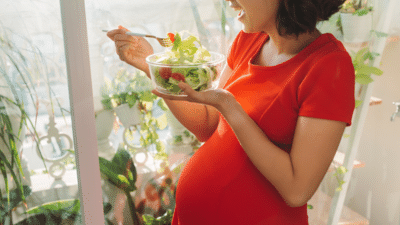
One of the best ways to reduce inflammation is through diet. Every meal signals inflammation through blood sugar, fatty acids, gut microbiome, and oxidative stress. During pregnancy, nutrient demands are higher than usual. Hormonal shifts affect metabolism and digestion, and inflammation becomes more dangerous. Mother's diet plays a role in immune response, hormonal signalling and the intrauterine environment.
What is Inflammation
Inflammation is an immune response which protects tissues from injury, infections or stress. In a non-pregnant state, inflammation is sometimes considered a chronic disease. But during pregnancy, inflammation plays a necessary role. Pregnancy naturally suppresses immune responses in mothers. Inflammation helps with implantation. However, when it becomes excessive or chronic, it can cause dangerous effects.
Immune Adaptation During Pregnancy
Pregnancy suppresses the immune response to tolerate the baby. But instead of suppressing entirely, it changes between pro-inflammatory and anti-inflammatory states during pregnancy.
In the first trimester, progesterone and estrogen dampen aggressive immune responses to prevent rejection of the embryo. Inflammation helps by supporting implantation and placental formation.
In the second trimester, anti-inflammatory peaks to allow foetal growth and the mother's metabolic adaptation. In the third trimester, inflammation helps to prepare for labour and delivery.
Chronic Inflammation During Pregnancy
When inflammation becomes excessive or chronic, it can increase fatigue, physical discomfort, and food cravings.
Metabolic Inflammation: When immunity increases due to metabolic stress instead of infection, it leads to metabolic inflammation, which mistakes nutrients for invaders. It leads to increased blood glucose levels, insulin resistance, and excess fatty acids.
Food- Inflammation Connection
When you eat, your meals produce inflammation. Food sends signals to your immune system, blood sugar, hormones and gut, which influence inflammation. That's why some meals make you feel heavy and bloated. During pregnancy, your body is working rapidly to support foetal growth. The meals you eat affect how your body manages inflammation, energy, and overall health through three systems.

Principles of an Anti-Inflammatory Diet
An anti-inflammatory diet during pregnancy helps your body stay balanced. An anti-inflammatory diet reduces stress on your system while nourishing your body.
Whole, Minimally Processed Foods
Whole foods give the body nutrients that it can use easily. Foods like vegetables, fruits, whole grains, beans, lentils, nuts, seeds, eggs, fish, dairy, and healthy fats naturally contain vitamins, minerals, antioxidants, and plant compounds that regulate inflammation.
Highly processed foods like packaged snacks, sugary drinks, fast food, and refined foods contain excess sugar, unhealthy fats, and additives. Eating them regularly increases inflammation.
Nutrient-Dense Food
In pregnancy, you normally have to eat high-calorie food and not crash diet. The body needs energy to support fetal growth, placenta development, increased blood volume, and maternal tissues. Eating too little stresses hormones and worsens inflammation.
Opt for foods rich in iron, folate, choline, zinc, magnesium, omega-3 fatty acids and antioxidants to support immune balance and reduce oxidative stress.
Stable Blood Sugar
Keeping blood sugar at normal levels is important during pregnancy. Frequent blood sugar spikes and crashes can increase fatigue, cravings, and stress. This can contribute to inflammation and pregnancy complications.
To support blood sugar, eat regular, small, frequent meals, include protein, choose fibre-rich complex carbs, and add healthy fats.
Support Digestion
Pregnancy hormones, supplements, and mechanical pressure when the uterus expands slow down digestion, increase bloating, heartburn,n and constipation. An anti-inflammatory diet helps digestion.
In an anti-inflammatory diet, you eat fibre-rich foods and probiotic foods. Limit ultra-Processed foods to calm the digestive system and absorb nutrients better.
What an Anti-Inflammatory Diet Looks Like
Eating during pregnancy should not feel complicated. You don't have to calculate nutrients, follow strict rules or make special meals every time. You just have to follow simple and consistent eating habits to reduce inflammation and support a healthy pregnancy. Here's what an anti-inflammatory diet looks like:
An anti-inflammatory diet is simple, nourishing, and grounding. You don't need an extravagant budget or a fancy meal plan. Just make sure you are eating minimally processed and whole foods with all the essential nutrients in every meal. An anti-inflammatory diet doesn't require calorie restriction or rigid rules. Prioritise whole foods, healthy fats, fibre, and micronutrients at every meal. It's as simple as that.
Whether you’re pregnant, a new mom, or navigating postpartum, you don’t have to do it alone. Join our support group to connect, share, and support one another.
FAQs on How to Reduce Inflammation With an Anti-Inflammatory Diet During PregnancyWhat are the signs of high inflammation in the body?
High inflammation symptoms include fatigue, muscle soreness, joint pain, bloating, diarrhoea, constipation, acid reflux, eczema, rash, psoriasis, depression, sudden weight gain or sudden weight loss, or weak immunity.
One of the best ways to reduce inflammation is through diet. Every meal signals inflammation through blood sugar, fatty acids, gut microbiome, and oxidative stress. During pregnancy, nutrient demands are higher than usual. Hormonal shifts affect metabolism and digestion, and inflammation becomes more dangerous. Mother's diet plays a role in immune response, hormonal signalling and the intrauterine environment.
What is Inflammation
Inflammation is an immune response which protects tissues from injury, infections or stress. In a non-pregnant state, inflammation is sometimes considered a chronic disease. But during pregnancy, inflammation plays a necessary role. Pregnancy naturally suppresses immune responses in mothers. Inflammation helps with implantation. However, when it becomes excessive or chronic, it can cause dangerous effects.
- Acute Inflammation: It's short-term and protective. Acute inflammation works immediately to fight against infections or injury. In pregnancy, acute Inflammation helps in the implantation of the embryo, supports placental development and in late pregnancy, it initiates labour.
- Chronic Inflammation: It's the prolonged inflammation that doesn't cause obvious symptoms, but it activates immune pathways and initiates stress. Chronic inflammation is associated with gestational diabetes, diabetes, preeclampsia, preterm birth, heart disease, and metabolic disorders.
Immune Adaptation During Pregnancy
Pregnancy suppresses the immune response to tolerate the baby. But instead of suppressing entirely, it changes between pro-inflammatory and anti-inflammatory states during pregnancy.
In the first trimester, progesterone and estrogen dampen aggressive immune responses to prevent rejection of the embryo. Inflammation helps by supporting implantation and placental formation.
In the second trimester, anti-inflammatory peaks to allow foetal growth and the mother's metabolic adaptation. In the third trimester, inflammation helps to prepare for labour and delivery.
Chronic Inflammation During Pregnancy
When inflammation becomes excessive or chronic, it can increase fatigue, physical discomfort, and food cravings.
- Chronic Low-Grade Inflammation: When inflammation increases gradually without showing any symptoms, it's called chronic low-grade inflammation. It's often caused by a high-refined carbohydrate and sugar diet, excess fat, low fibre, a sedentary lifestyle, and chronic stress.
- Oxidative Stress: When free radicals increase more than the body’s capacity, it leads to oxidative stress. Pregnancy increases oxidative activity due to cellular growth, oxygen demand, and placental metabolism.
Food- Inflammation Connection
When you eat, your meals produce inflammation. Food sends signals to your immune system, blood sugar, hormones and gut, which influence inflammation. That's why some meals make you feel heavy and bloated. During pregnancy, your body is working rapidly to support foetal growth. The meals you eat affect how your body manages inflammation, energy, and overall health through three systems.
- Glycemic Index: Some foods quickly increase blood sugar levels. When blood sugar levels rise, the body releases more insulin, which can affect the pancreas and lead to gestational diabetes.
- Fatty Acids: Some fats from heavily processed foods and fried oils can promote inflammation. Omega-3 fatty acids from healthy fats calm inflammation. But omega-6 from processed foods increases inflammation and leads to pregnancy complications.
- Gut Microbiome: Your gut has millions of beneficial bacteria that control digestion and immune function. These beneficial bacteria reduce inflammation, strengthen the gut barrier, support blood sugar stability, and support the baby's immune system. High-sugar and low-fibre diets can feed harmful bacteria, weaken the gut lining, and increase inflammation.
Principles of an Anti-Inflammatory Diet
An anti-inflammatory diet during pregnancy helps your body stay balanced. An anti-inflammatory diet reduces stress on your system while nourishing your body.
Whole, Minimally Processed Foods
Whole foods give the body nutrients that it can use easily. Foods like vegetables, fruits, whole grains, beans, lentils, nuts, seeds, eggs, fish, dairy, and healthy fats naturally contain vitamins, minerals, antioxidants, and plant compounds that regulate inflammation.
Highly processed foods like packaged snacks, sugary drinks, fast food, and refined foods contain excess sugar, unhealthy fats, and additives. Eating them regularly increases inflammation.
Nutrient-Dense Food
In pregnancy, you normally have to eat high-calorie food and not crash diet. The body needs energy to support fetal growth, placenta development, increased blood volume, and maternal tissues. Eating too little stresses hormones and worsens inflammation.
Opt for foods rich in iron, folate, choline, zinc, magnesium, omega-3 fatty acids and antioxidants to support immune balance and reduce oxidative stress.
Stable Blood Sugar
Keeping blood sugar at normal levels is important during pregnancy. Frequent blood sugar spikes and crashes can increase fatigue, cravings, and stress. This can contribute to inflammation and pregnancy complications.
To support blood sugar, eat regular, small, frequent meals, include protein, choose fibre-rich complex carbs, and add healthy fats.
Support Digestion
Pregnancy hormones, supplements, and mechanical pressure when the uterus expands slow down digestion, increase bloating, heartburn,n and constipation. An anti-inflammatory diet helps digestion.
In an anti-inflammatory diet, you eat fibre-rich foods and probiotic foods. Limit ultra-Processed foods to calm the digestive system and absorb nutrients better.
What an Anti-Inflammatory Diet Looks Like
Eating during pregnancy should not feel complicated. You don't have to calculate nutrients, follow strict rules or make special meals every time. You just have to follow simple and consistent eating habits to reduce inflammation and support a healthy pregnancy. Here's what an anti-inflammatory diet looks like:
- ½ Plate Vegetables: Add spinach, broccoli, carrot, beans, or peppers for fibre and antioxidants.
- ¼ Plate Protein: Eggs, fish, lentils, beans, chicken, tofu, or paneer for tissue growth, immune balance and steady blood sugar.
- ¼ Whole Grains: Rice, millets, whole wheat roti, quinoa, or oats for steady energy.
- Healthy Fat: A small portion of groundnut, avocado, ghee, nuts, or seeds supports hormonal balance and nutrient absorption
An anti-inflammatory diet is simple, nourishing, and grounding. You don't need an extravagant budget or a fancy meal plan. Just make sure you are eating minimally processed and whole foods with all the essential nutrients in every meal. An anti-inflammatory diet doesn't require calorie restriction or rigid rules. Prioritise whole foods, healthy fats, fibre, and micronutrients at every meal. It's as simple as that.
Whether you’re pregnant, a new mom, or navigating postpartum, you don’t have to do it alone. Join our support group to connect, share, and support one another.
FAQs on How to Reduce Inflammation With an Anti-Inflammatory Diet During Pregnancy
High inflammation symptoms include fatigue, muscle soreness, joint pain, bloating, diarrhoea, constipation, acid reflux, eczema, rash, psoriasis, depression, sudden weight gain or sudden weight loss, or weak immunity.
Next Story