
Healthy Ways to Reduce Salt Intake Without Sacrificing Flavour

Salt is an essential part of our diet, but consuming too much sodium can increase the risk of high blood pressure, heart disease, stroke, and kidney problems. Many processed and packaged foods contain hidden salt, making it easy to exceed the recommended daily limit without realizing it. The good news is that reducing salt intake doesn't mean giving up delicious meals. With a few simple changes, you can enjoy flavorful food while supporting your overall health.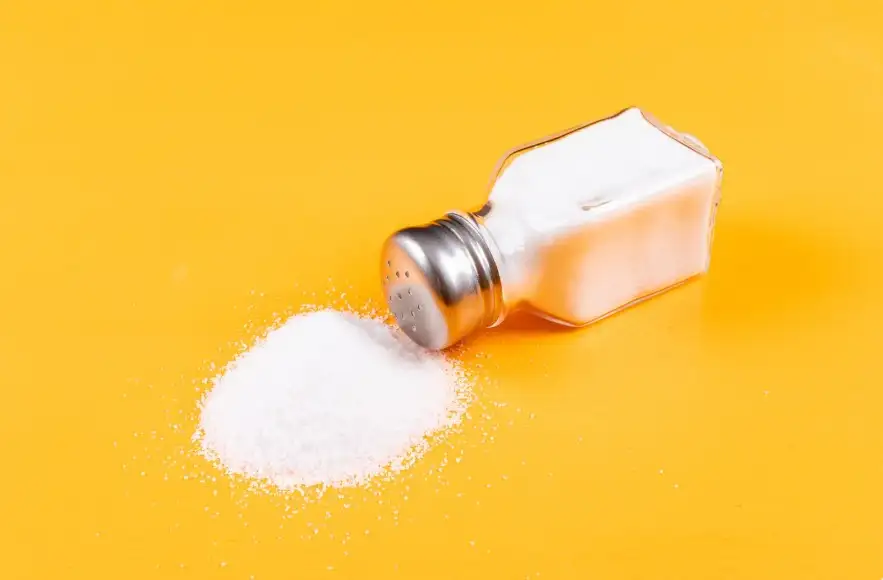
Know How Much Salt You Need
Health experts recommend limiting sodium intake to about 2,300 mg per day for most adults, which is roughly one teaspoon of salt. People with high blood pressure or certain medical conditions may benefit from consuming even less. Being aware of your daily intake is the first step toward healthier eating habits.
Cook More Meals at Home
Preparing meals at home gives you complete control over how much salt goes into your food. Instead of relying on processed sauces, seasoning mixes, and ready-made meals, use fresh ingredients and adjust seasoning according to your taste.
Flavor Food with Herbs and Spices
Fresh herbs, dried spices, garlic, ginger, lemon juice, black pepper, cumin, oregano, basil, thyme, coriander, and paprika can add incredible flavor without extra sodium. Experimenting with natural seasonings can make meals just as satisfying.
Read Nutrition Labels Carefully
Packaged foods often contain surprising amounts of sodium. Compare nutrition labels and choose products labeled "low sodium," "reduced sodium," or "no added salt" whenever possible. Pay attention to serving sizes, as sodium content can add up quickly.
Cut Back on Processed Foods
Processed meats, instant noodles, packaged snacks, canned soups, frozen meals, and fast food are among the biggest sources of excess sodium. Replacing them with fresh fruits, vegetables, whole grains, lean proteins, and homemade meals can significantly reduce salt intake.
Reduce Salt Gradually
Your taste buds adapt over time. Instead of making drastic changes, slowly reduce the amount of salt you add to meals. Within a few weeks, you may begin to appreciate the natural flavors of food without needing extra salt.
Choose Fresh Ingredients
Fresh vegetables, fruits, fish, poultry, and unprocessed meats naturally contain much less sodium than packaged alternatives. Buying fresh ingredients whenever possible helps keep your sodium intake under control.
Rinse Canned Foods
If you use canned beans, vegetables, or chickpeas, rinse them thoroughly under running water before cooking. This simple step can remove a significant portion of the added sodium.
Limit High-Sodium Condiments
Soy sauce, ketchup, pickles, salad dressings, barbecue sauce, and packaged dips often contain large amounts of sodium. Use them sparingly or choose low-sodium versions whenever available.
Snack Smarter
Instead of salted chips and crackers, choose healthier snacks like fresh fruit, unsalted nuts, plain yogurt, roasted chickpeas without added salt, or sliced vegetables with homemade dips.
Taste Before Adding Salt
Many people add salt automatically without tasting their food first. Make it a habit to taste your meal before reaching for the salt shaker, you may find it doesn't need any extra seasoning.
Eat More Potassium-Rich Foods
Potassium helps balance sodium levels in the body. Foods like bananas, spinach, sweet potatoes, avocados, tomatoes, beans, and oranges are naturally rich in potassium and support heart health as part of a balanced diet.
Be Mindful When Dining Out
Restaurant meals often contain more sodium than home-cooked dishes. Ask for sauces and dressings on the side, request less salt during preparation when possible, and choose grilled, steamed, or baked dishes over heavily seasoned options.
Stay Consistent
Reducing salt intake is not about eliminating salt completely—it's about making healthier choices consistently. Small, sustainable changes in your daily eating habits can make a meaningful difference to your long-term health.
Lowering your salt intake is one of the simplest ways to support heart health and overall well-being. By cooking more meals at home, choosing fresh ingredients, reading food labels, and using herbs and spices for flavor, you can enjoy delicious meals while keeping sodium levels in check. Gradual changes are often the most effective, helping you build healthier eating habits that last.
Know How Much Salt You Need
Health experts recommend limiting sodium intake to about 2,300 mg per day for most adults, which is roughly one teaspoon of salt. People with high blood pressure or certain medical conditions may benefit from consuming even less. Being aware of your daily intake is the first step toward healthier eating habits. Cook More Meals at Home
Preparing meals at home gives you complete control over how much salt goes into your food. Instead of relying on processed sauces, seasoning mixes, and ready-made meals, use fresh ingredients and adjust seasoning according to your taste.Flavor Food with Herbs and Spices
Fresh herbs, dried spices, garlic, ginger, lemon juice, black pepper, cumin, oregano, basil, thyme, coriander, and paprika can add incredible flavor without extra sodium. Experimenting with natural seasonings can make meals just as satisfying. Read Nutrition Labels Carefully
Packaged foods often contain surprising amounts of sodium. Compare nutrition labels and choose products labeled "low sodium," "reduced sodium," or "no added salt" whenever possible. Pay attention to serving sizes, as sodium content can add up quickly.Cut Back on Processed Foods
Processed meats, instant noodles, packaged snacks, canned soups, frozen meals, and fast food are among the biggest sources of excess sodium. Replacing them with fresh fruits, vegetables, whole grains, lean proteins, and homemade meals can significantly reduce salt intake. Reduce Salt Gradually
Your taste buds adapt over time. Instead of making drastic changes, slowly reduce the amount of salt you add to meals. Within a few weeks, you may begin to appreciate the natural flavors of food without needing extra salt. Choose Fresh Ingredients
Fresh vegetables, fruits, fish, poultry, and unprocessed meats naturally contain much less sodium than packaged alternatives. Buying fresh ingredients whenever possible helps keep your sodium intake under control. Rinse Canned Foods
If you use canned beans, vegetables, or chickpeas, rinse them thoroughly under running water before cooking. This simple step can remove a significant portion of the added sodium.You may also like
- Bihar Property Registration: Register your property from home as government teams offer doorstep registration services in 10 cities.
- DU UG Admission 2026: First list for UG admission at Delhi University to be released today; seats must be accepted by July 18.
- Why is electric vehicle insurance more expensive than that for petrol or diesel cars? Be careful when buying a policy.
- Hydrogen Train India: Tickets priced between just ₹5 and ₹25; travel on the country's first hydrogen train for the cost of a local train fare.
- M&S shoppers brand £28 linen trousers 'so comfortable and great for hot weather'
Limit High-Sodium Condiments
Soy sauce, ketchup, pickles, salad dressings, barbecue sauce, and packaged dips often contain large amounts of sodium. Use them sparingly or choose low-sodium versions whenever available. Snack Smarter
Instead of salted chips and crackers, choose healthier snacks like fresh fruit, unsalted nuts, plain yogurt, roasted chickpeas without added salt, or sliced vegetables with homemade dips. Taste Before Adding Salt
Many people add salt automatically without tasting their food first. Make it a habit to taste your meal before reaching for the salt shaker, you may find it doesn't need any extra seasoning. Eat More Potassium-Rich Foods
Potassium helps balance sodium levels in the body. Foods like bananas, spinach, sweet potatoes, avocados, tomatoes, beans, and oranges are naturally rich in potassium and support heart health as part of a balanced diet. Be Mindful When Dining Out
Restaurant meals often contain more sodium than home-cooked dishes. Ask for sauces and dressings on the side, request less salt during preparation when possible, and choose grilled, steamed, or baked dishes over heavily seasoned options.Stay Consistent
Reducing salt intake is not about eliminating salt completely—it's about making healthier choices consistently. Small, sustainable changes in your daily eating habits can make a meaningful difference to your long-term health. Lowering your salt intake is one of the simplest ways to support heart health and overall well-being. By cooking more meals at home, choosing fresh ingredients, reading food labels, and using herbs and spices for flavor, you can enjoy delicious meals while keeping sodium levels in check. Gradual changes are often the most effective, helping you build healthier eating habits that last.






Loving Newspoint? Download the app now
