
Healthy Ways to Reduce Salt Intake Without Sacrificing Flavour

Salt is an essential part of our diet, but consuming too much sodium can increase the risk of high blood pressure, heart disease, stroke, and kidney problems. Many processed and packaged foods contain hidden salt, making it easy to exceed the recommended daily limit without realizing it. The good news is that reducing salt intake doesn't mean giving up delicious meals. With a few simple changes, you can enjoy flavorful food while supporting your overall health.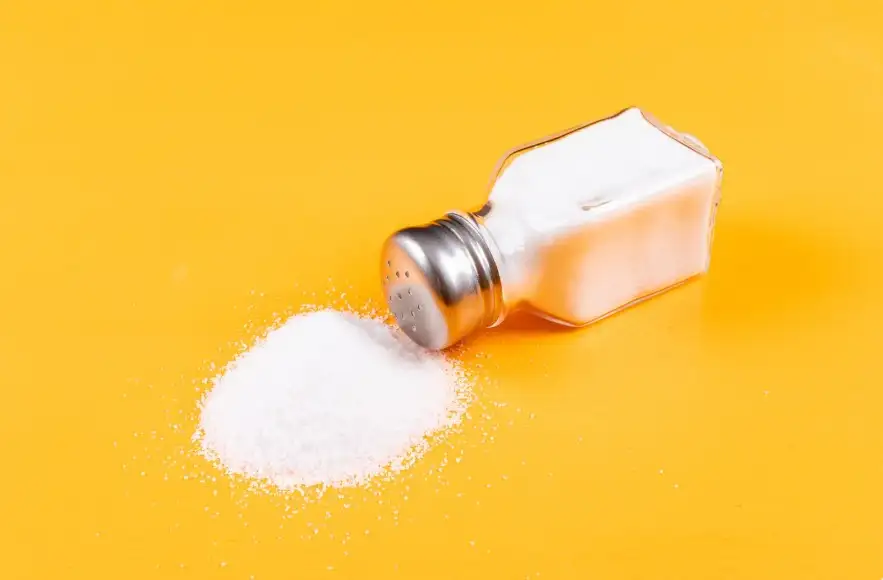
Know How Much Salt You Need
Health experts recommend limiting sodium intake to about 2,300 mg per day for most adults, which is roughly one teaspoon of salt. People with high blood pressure or certain medical conditions may benefit from consuming even less. Being aware of your daily intake is the first step toward healthier eating habits.
Cook More Meals at Home
Preparing meals at home gives you complete control over how much salt goes into your food. Instead of relying on processed sauces, seasoning mixes, and ready-made meals, use fresh ingredients and adjust seasoning according to your taste.
Flavor Food with Herbs and Spices
Fresh herbs, dried spices, garlic, ginger, lemon juice, black pepper, cumin, oregano, basil, thyme, coriander, and paprika can add incredible flavor without extra sodium. Experimenting with natural seasonings can make meals just as satisfying.
Read Nutrition Labels Carefully
Packaged foods often contain surprising amounts of sodium. Compare nutrition labels and choose products labeled "low sodium," "reduced sodium," or "no added salt" whenever possible. Pay attention to serving sizes, as sodium content can add up quickly.
Cut Back on Processed Foods
Processed meats, instant noodles, packaged snacks, canned soups, frozen meals, and fast food are among the biggest sources of excess sodium. Replacing them with fresh fruits, vegetables, whole grains, lean proteins, and homemade meals can significantly reduce salt intake.
Reduce Salt Gradually
Your taste buds adapt over time. Instead of making drastic changes, slowly reduce the amount of salt you add to meals. Within a few weeks, you may begin to appreciate the natural flavors of food without needing extra salt.
Choose Fresh Ingredients
Fresh vegetables, fruits, fish, poultry, and unprocessed meats naturally contain much less sodium than packaged alternatives. Buying fresh ingredients whenever possible helps keep your sodium intake under control.
Rinse Canned Foods
If you use canned beans, vegetables, or chickpeas, rinse them thoroughly under running water before cooking. This simple step can remove a significant portion of the added sodium.
Know How Much Salt You Need
Health experts recommend limiting sodium intake to about 2,300 mg per day for most adults, which is roughly one teaspoon of salt. People with high blood pressure or certain medical conditions may benefit from consuming even less. Being aware of your daily intake is the first step toward healthier eating habits. Cook More Meals at Home
Preparing meals at home gives you complete control over how much salt goes into your food. Instead of relying on processed sauces, seasoning mixes, and ready-made meals, use fresh ingredients and adjust seasoning according to your taste.Flavor Food with Herbs and Spices
Fresh herbs, dried spices, garlic, ginger, lemon juice, black pepper, cumin, oregano, basil, thyme, coriander, and paprika can add incredible flavor without extra sodium. Experimenting with natural seasonings can make meals just as satisfying. Read Nutrition Labels Carefully
Packaged foods often contain surprising amounts of sodium. Compare nutrition labels and choose products labeled "low sodium," "reduced sodium," or "no added salt" whenever possible. Pay attention to serving sizes, as sodium content can add up quickly.Cut Back on Processed Foods
Processed meats, instant noodles, packaged snacks, canned soups, frozen meals, and fast food are among the biggest sources of excess sodium. Replacing them with fresh fruits, vegetables, whole grains, lean proteins, and homemade meals can significantly reduce salt intake. Reduce Salt Gradually
Your taste buds adapt over time. Instead of making drastic changes, slowly reduce the amount of salt you add to meals. Within a few weeks, you may begin to appreciate the natural flavors of food without needing extra salt. Choose Fresh Ingredients
Fresh vegetables, fruits, fish, poultry, and unprocessed meats naturally contain much less sodium than packaged alternatives. Buying fresh ingredients whenever possible helps keep your sodium intake under control. Rinse Canned Foods
If you use canned beans, vegetables, or chickpeas, rinse them thoroughly under running water before cooking. This simple step can remove a significant portion of the added sodium.Next Story