
How To Spot Adulterated Paneer Before It Reaches Your Plate

Paneer is a staple in many Indian kitchens, appearing in everything from rich curries and gravies to quick snacks and salads. Because it is a fresh dairy product, its quality can vary considerably depending on how it is made, stored and handled. Adulteration is another concern, particularly when paneer is sold loose or from unreliable sources. Experts generally recommend buying fresh paneer from trusted sellers and checking its appearance, texture and smell before use. While home checks cannot replace laboratory testing, they can help flag unusual characteristics that may warrant caution. A few simple observations can make it easier to spot paneer that does not look or behave like a normal dairy product.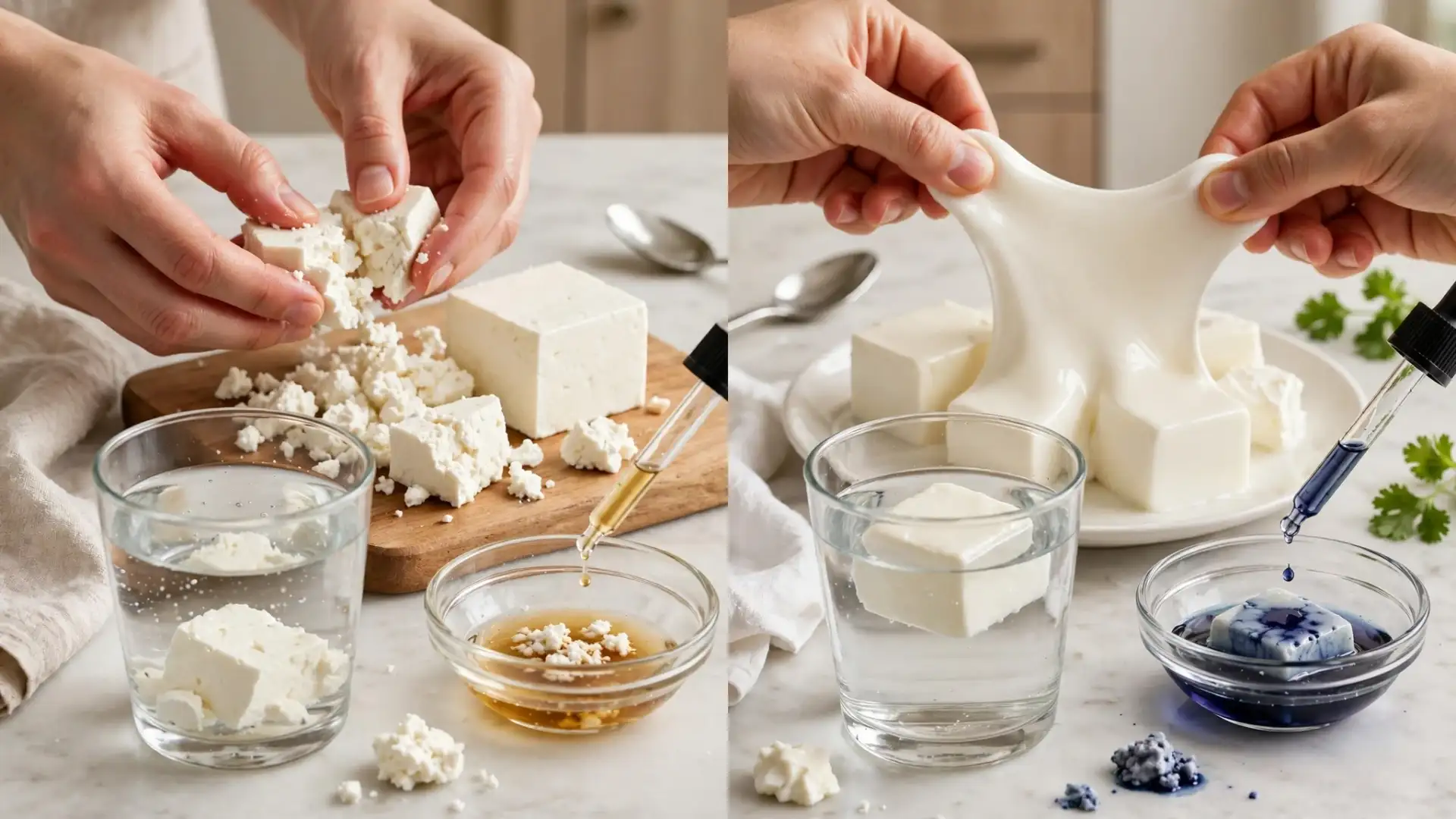
Press a small piece gently between your fingers. Good-quality paneer should generally feel compact and moist without being excessively sticky. An unusually slippery surface, strange consistency or visible discolouration can be a reason to avoid the product.
The smell also matters. Paneer should have a mild, milky aroma. A sour, chemical or otherwise unusual odour may indicate spoilage or poor handling rather than proving adulteration.
However, texture alone cannot confirm adulteration. Differences can also arise from the type of milk used, moisture content, preparation method and storage conditions.
Some household tests circulating online claim to detect specific adulterants through heating or chemical reactions. These should be treated cautiously. According to food safety professionals, reliable identification of particular adulterants requires appropriate testing rather than relying solely on visual or kitchen-based methods.
If loose paneer has an unusual appearance, smell or texture, it is safer not to consume it. For suspected adulteration, consumers can also seek testing through appropriate food safety authorities or laboratories rather than relying on an informal home test.
In short, checking paneer quality begins with observing what you can see, smell and feel, while recognising that these checks cannot conclusively prove adulteration.
Image Courtesy: Meta A
Start With Appearance And Texture
Fresh paneer usually has a clean, white to slightly creamy appearance and a firm but soft texture. According to food safety experts, unusually rubbery, excessively hard or unnaturally spongy cubes may deserve closer attention, particularly if their texture is markedly different from conventional paneer.Press a small piece gently between your fingers. Good-quality paneer should generally feel compact and moist without being excessively sticky. An unusually slippery surface, strange consistency or visible discolouration can be a reason to avoid the product.
The smell also matters. Paneer should have a mild, milky aroma. A sour, chemical or otherwise unusual odour may indicate spoilage or poor handling rather than proving adulteration.
Observe What Happens During Cooking
Cooking can offer another useful clue. Pure paneer typically softens when heated and develops a lightly browned surface when fried. If the cubes remain unusually tough, become excessively chewy or behave very differently from paneer you normally buy, it may be worth reconsidering the source.You may also like
- Fatty liver in women: One in three working women is at risk of fatty liver; why does fat accumulate in the liver without drinking alcohol?
- Health Tips: How is fenugreek beneficial for us? Even 1 teaspoon of fenugreek can be a blessing
- Tourist? Nah, I've already been here… on reels!
- Quote of the Day by Herman Melville, "There are certain queer times and occasions in life when a man takes this whole...."
- Meet Mumbai's Spider-Man, who can be seen on the streets every weekend, not saving the city but doing something really worthwhile
However, texture alone cannot confirm adulteration. Differences can also arise from the type of milk used, moisture content, preparation method and storage conditions.
Some household tests circulating online claim to detect specific adulterants through heating or chemical reactions. These should be treated cautiously. According to food safety professionals, reliable identification of particular adulterants requires appropriate testing rather than relying solely on visual or kitchen-based methods.
Choose Quality Before Bringing It Home
The simplest way to reduce the risk of buying adulterated paneer is to purchase it from a reputable dairy, established retailer or trusted brand. Check packaging, manufacturing details, storage instructions and the use-by date where applicable.If loose paneer has an unusual appearance, smell or texture, it is safer not to consume it. For suspected adulteration, consumers can also seek testing through appropriate food safety authorities or laboratories rather than relying on an informal home test.
In short, checking paneer quality begins with observing what you can see, smell and feel, while recognising that these checks cannot conclusively prove adulteration.
Image Courtesy: Meta A






Loving Newspoint? Download the app now
