
How To Spot Adulterated Pulses Before They Reach Your Plate

Pulses are an essential part of everyday meals, valued for their protein, fibre and versatility. From dals to curries and snacks, they appear on dining tables across the country. However, according to food safety experts, the demand for pulses has also led to cases of adulteration, where inferior grains, artificial colours or unwanted impurities are mixed with genuine produce. While such issues may not always be obvious at first glance, a few easy checks can help consumers identify suspicious products. Paying closer attention before buying and cooking can go a long way in ensuring both quality and food safety.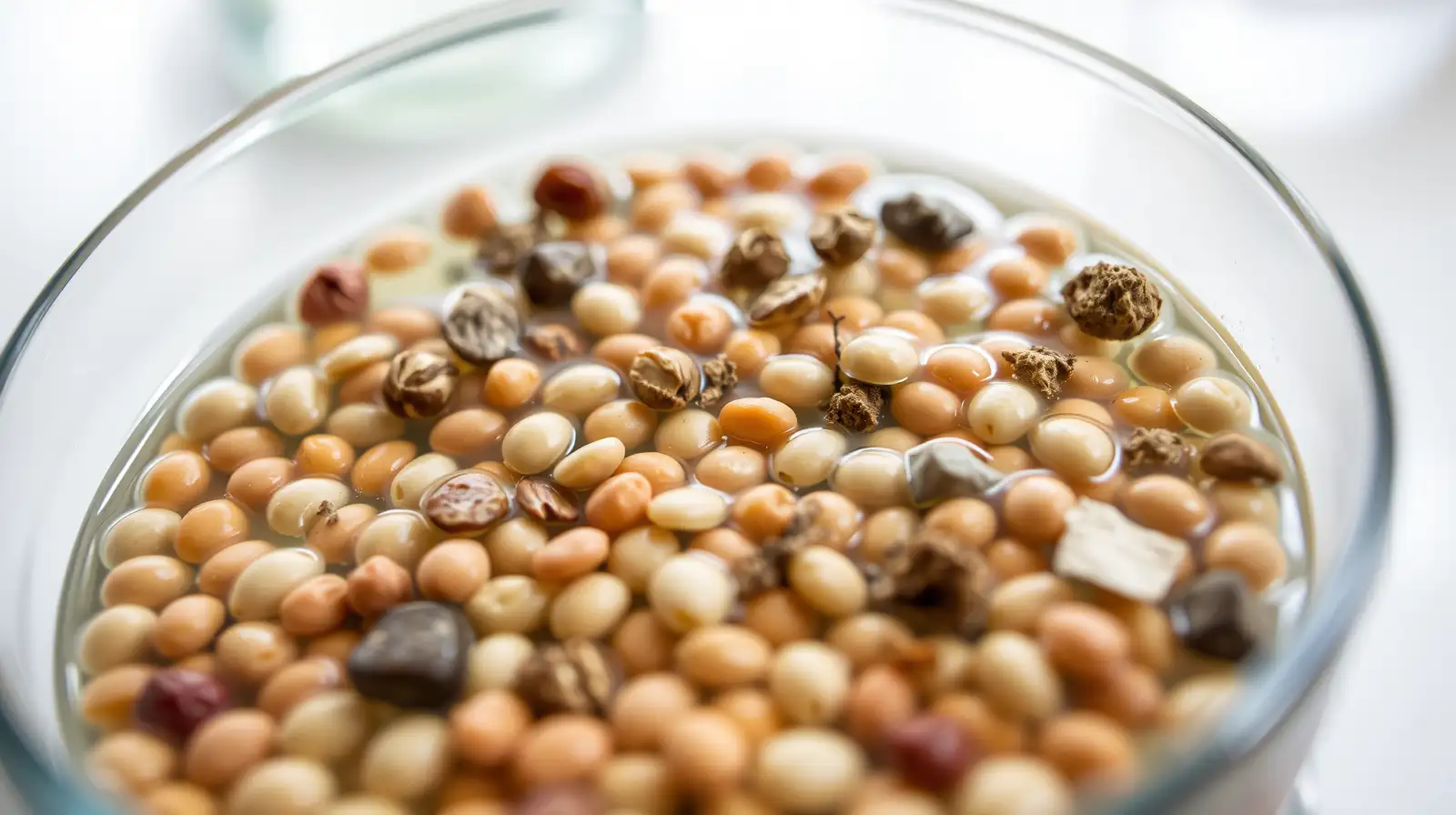
Also check for broken grains, stones, dust or other visible impurities, which may suggest poor processing or handling.
If the water quickly develops an unusual colour, it may indicate the presence of artificial dyes used to improve appearance.
Experts also recommend checking the texture. Excessively polished or unusually smooth grains may have been treated to enhance their appearance rather than their quality.
According to industry observers, buying loose pulses from unknown sources may increase the chances of encountering inferior or mixed products.
Developing the habit of examining pulses before cooking takes only a few minutes but can make a significant difference. With simple visual checks, careful buying habits and proper storage, you can enjoy cleaner, safer and better-quality pulses as part of your everyday meals.
Look Closely At The Colour And Appearance
Good-quality pulses usually have a natural, even colour, although slight variations can occur depending on the variety. Experts advise being cautious if the grains appear unnaturally bright, overly glossy or coated with an artificial shine, as this could indicate the use of synthetic colouring agents or polishing.Also check for broken grains, stones, dust or other visible impurities, which may suggest poor processing or handling.
Try A Simple Water Test
A basic water test can reveal useful clues. Place a handful of pulses in a bowl of clean water and stir gently. According to food experts, dirt, husk and lightweight impurities often float to the surface, making them easier to spot and remove.If the water quickly develops an unusual colour, it may indicate the presence of artificial dyes used to improve appearance.
You may also like
- What to Avoid Picking Up from the Road: A Guide to Religious Beliefs
- Significance and Observances of Ashadha Amavasya 2026
- Zodiac Remedies for Gupt Navratri: Enhance Your Life with Mahavidyas
- If your income exceeds ₹1 crore, make sure to fill out this form when filing your ITR; otherwise, you could receive a notice..
- EPFO Launches Amnesty Scheme 2026; PF Trusts Get Final Chance to Regularize Status..
Watch For Unusual Smell Or Texture
Fresh pulses generally have a mild, natural smell. A strong chemical odour, musty smell or signs of moisture may point to poor storage or contamination.Experts also recommend checking the texture. Excessively polished or unusually smooth grains may have been treated to enhance their appearance rather than their quality.
Buy From Trusted Sellers
Choosing branded or well-labelled products from reliable retailers can reduce the risk of purchasing adulterated pulses . Check that the packaging is intact and includes details such as the packing date, batch number and other product information.According to industry observers, buying loose pulses from unknown sources may increase the chances of encountering inferior or mixed products.
Store Pulses Properly At Home
Even high-quality pulses can lose their freshness if stored incorrectly. Keep them in airtight containers in a cool, dry place and inspect them occasionally for insects, mould or moisture.Developing the habit of examining pulses before cooking takes only a few minutes but can make a significant difference. With simple visual checks, careful buying habits and proper storage, you can enjoy cleaner, safer and better-quality pulses as part of your everyday meals.






Loving Newspoint? Download the app now
