
How To Spot Adulterated Pulses Before They Reach Your Plate

Pulses are an essential part of everyday meals, valued for their protein, fibre and versatility. From dals to curries and snacks, they appear on dining tables across the country. However, according to food safety experts, the demand for pulses has also led to cases of adulteration, where inferior grains, artificial colours or unwanted impurities are mixed with genuine produce. While such issues may not always be obvious at first glance, a few easy checks can help consumers identify suspicious products. Paying closer attention before buying and cooking can go a long way in ensuring both quality and food safety.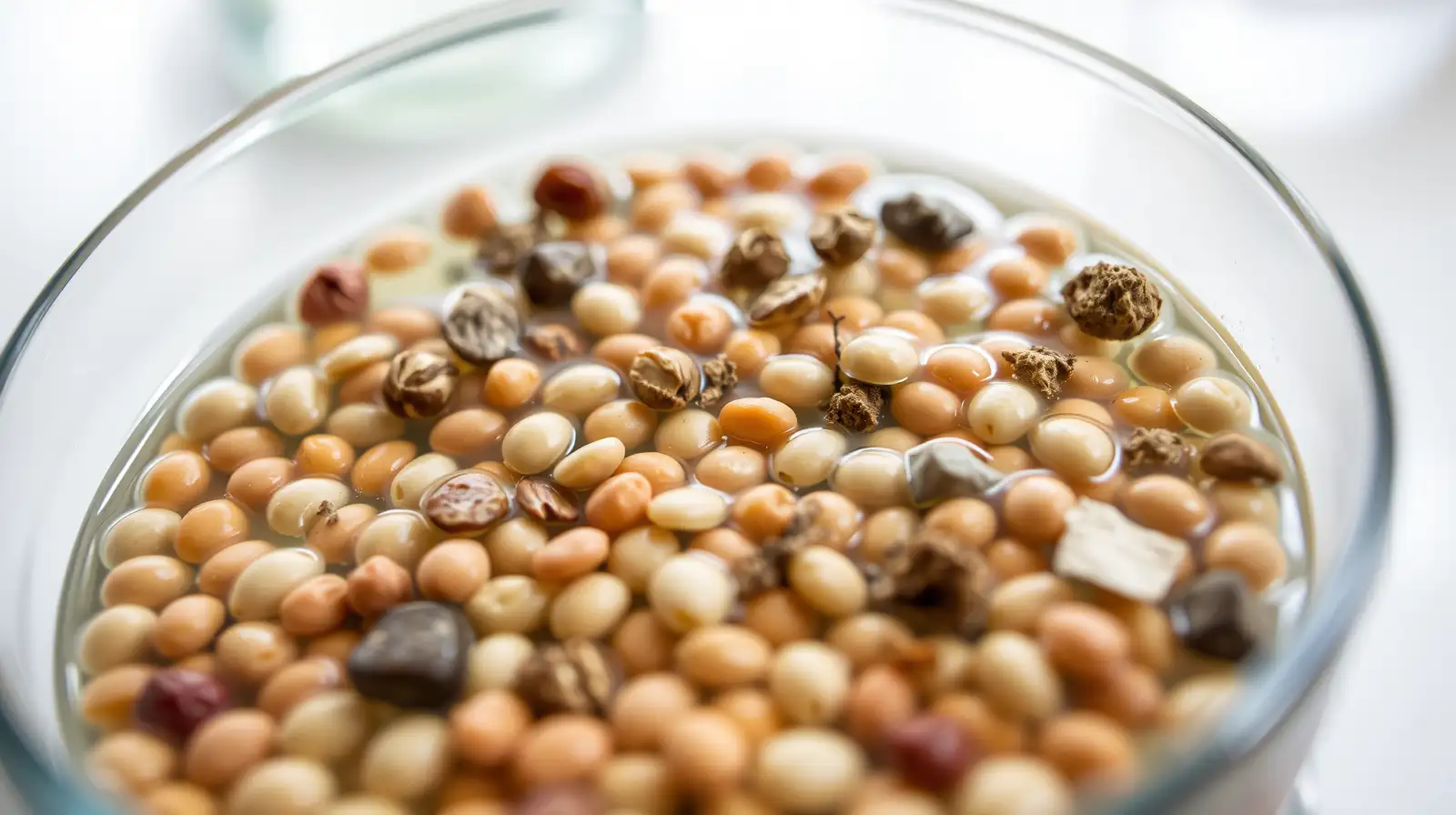
Also check for broken grains, stones, dust or other visible impurities, which may suggest poor processing or handling.
If the water quickly develops an unusual colour, it may indicate the presence of artificial dyes used to improve appearance.
Look Closely At The Colour And Appearance
Good-quality pulses usually have a natural, even colour, although slight variations can occur depending on the variety. Experts advise being cautious if the grains appear unnaturally bright, overly glossy or coated with an artificial shine, as this could indicate the use of synthetic colouring agents or polishing.Also check for broken grains, stones, dust or other visible impurities, which may suggest poor processing or handling.
Try A Simple Water Test
A basic water test can reveal useful clues. Place a handful of pulses in a bowl of clean water and stir gently. According to food experts, dirt, husk and lightweight impurities often float to the surface, making them easier to spot and remove.If the water quickly develops an unusual colour, it may indicate the presence of artificial dyes used to improve appearance.
Next Story