
How To Spot Fake Chocolates In Stores Before You End Up Buying Poor Quality Sweets

Chocolates are among the most loved treats across age groups, whether bought for personal indulgence, celebrations, gifting, or festive occasions. However, the growing popularity of chocolates has also led to an increase in counterfeit and low-quality products in the market. Many fake chocolates closely resemble popular brands in appearance, making it difficult for buyers to identify the difference at first glance. These products may use inferior ingredients, unsafe additives, or poor storage methods that can affect both taste and health. Understanding how to identify genuine chocolates can help consumers make smarter and safer buying decisions while avoiding disappointment and unnecessary risks.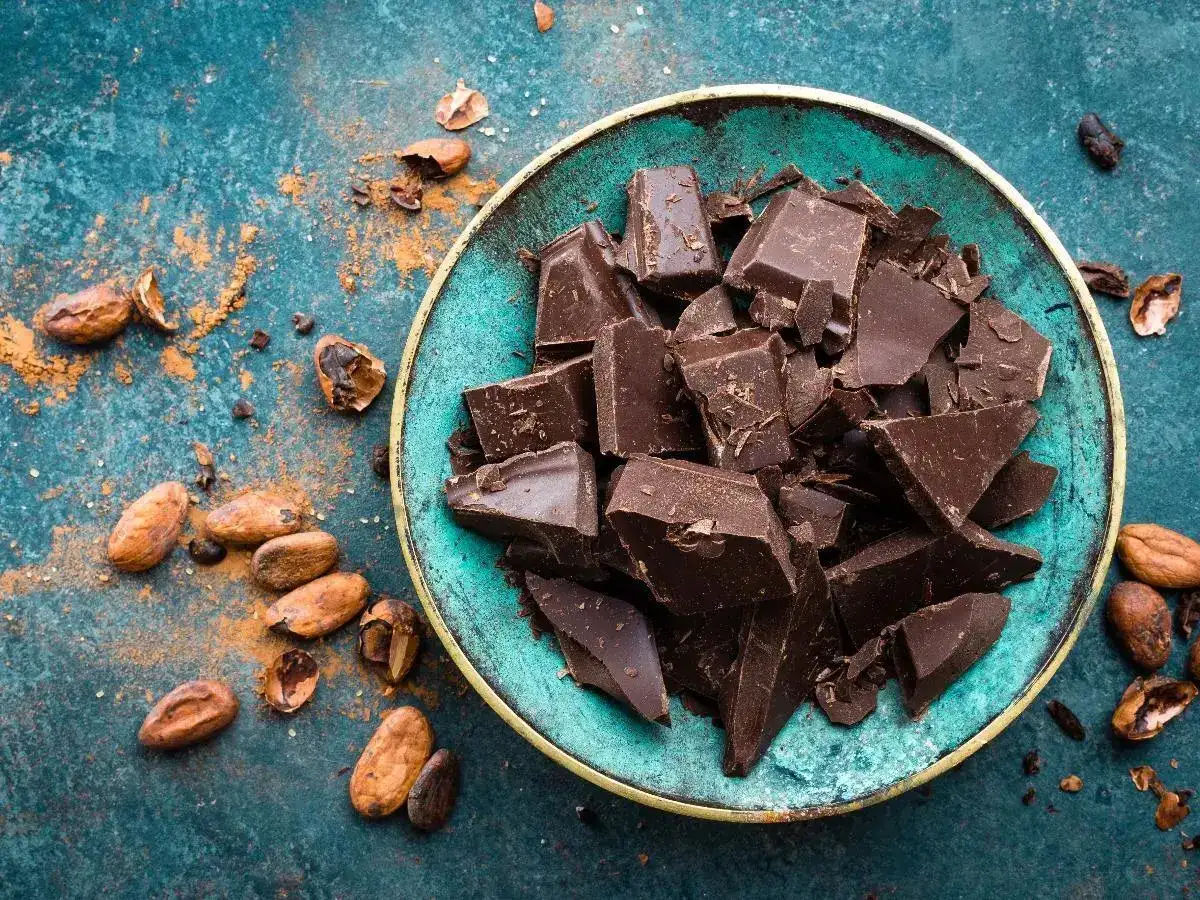
Buyers should also look for tampered seals or loose packaging. Genuine chocolates generally have clean and professional sealing. If the wrapper looks damaged, poorly folded, or resealed, it may indicate a fake or expired product.
It is also important to verify the manufacturing details printed on the packet. Authentic products usually include batch numbers, manufacturing dates, expiry dates, customer care information, and licence details. Missing or unclear information should immediately raise suspicion.
Counterfeit sellers often attract customers with heavy discounts, especially during festive seasons or online sales. Consumers should compare prices with trusted stores or official brand websites before making a purchase.
If a premium chocolate brand is available at a fraction of its normal cost, buyers should be cautious. Cheap imitation chocolates may contain low-grade fats and artificial flavouring instead of real cocoa ingredients.
When broken, authentic chocolate produces a clean snap, especially dark chocolate varieties. Poor-quality products may bend instead of breaking properly because of excess vegetable oil or low cocoa content.
Melting behaviour can also reveal quality differences. Real chocolates generally melt smoothly in the mouth due to cocoa butter. Counterfeit chocolates often feel waxy or oily and may leave an unpleasant coating on the tongue.
Fake chocolates may use cheaper substitutes such as hydrogenated vegetable oils, excessive artificial flavours, synthetic colours, or low cocoa content. Some counterfeit products may not clearly mention the ingredient details at all.
Consumers should also check for food safety certifications and manufacturing licences on the packet. Products without proper labelling may not meet quality or hygiene standards.
Short and understandable ingredient lists are often a better sign than overly complicated labels filled with artificial additives.
Taste can also help consumers identify poor-quality products. Real chocolate offers balanced sweetness with a creamy texture and proper cocoa flavour. Counterfeit chocolates may taste excessively sugary, oily, bitter, or stale.
Some fake chocolates leave a strange aftertaste because of low-quality fats or flavouring chemicals. If the flavour feels unnatural or unpleasant, it is best not to consume the product further.
Street vendors, unknown online sellers, or temporary festive stalls may sometimes stock duplicate products that imitate popular brands. Consumers should verify seller ratings and reviews while shopping online.
It is also safer to avoid chocolates stored in direct sunlight or unhygienic conditions. Improper storage can damage even genuine chocolates and affect their quality.
Before buying festive chocolate hampers, consumers should inspect packaging, verify the brand name, and confirm expiry dates. Many counterfeit products imitate the colours and designs of well-known chocolate companies to confuse buyers.
Checking authenticity becomes even more important when purchasing chocolates for children, family gatherings, or gifting purposes.
Low-grade oils used in counterfeit chocolates may not match the nutritional standards of genuine cocoa butter. Some products may also be stored improperly, increasing the risk of spoilage.
Children are particularly vulnerable because they often consume chocolates frequently and may not recognise quality differences. This makes chocolate safety tips especially important for families.
Consumers who experience unusual taste, allergic reactions, or digestive discomfort after eating suspicious chocolates should avoid consuming the product further and seek medical advice if necessary.
Being a careful buyer is the best defence against counterfeit products. A few extra minutes spent checking packaging, ingredients, pricing, texture, and seller credibility can help consumers avoid fake chocolates and enjoy better-quality treats with confidence. As counterfeit food products continue to appear in markets, awareness and informed shopping habits remain essential for ensuring both quality and safety.
Pay Attention To The Packaging Quality
One of the easiest ways to identify fake chocolates is by carefully examining the packaging. Original chocolate brands invest heavily in high-quality printing, proper sealing, and detailed packaging designs. Counterfeit products often have blurry logos, faded colours, spelling mistakes, uneven printing, or low-quality wrappers.Buyers should also look for tampered seals or loose packaging. Genuine chocolates generally have clean and professional sealing. If the wrapper looks damaged, poorly folded, or resealed, it may indicate a fake or expired product.
It is also important to verify the manufacturing details printed on the packet. Authentic products usually include batch numbers, manufacturing dates, expiry dates, customer care information, and licence details. Missing or unclear information should immediately raise suspicion.
Check The Price Before Buying
Extremely low prices can often be a warning sign. While discounts and offers are common, chocolates sold at unusually cheap rates compared to the regular market price may not be genuine.Counterfeit sellers often attract customers with heavy discounts, especially during festive seasons or online sales. Consumers should compare prices with trusted stores or official brand websites before making a purchase.
If a premium chocolate brand is available at a fraction of its normal cost, buyers should be cautious. Cheap imitation chocolates may contain low-grade fats and artificial flavouring instead of real cocoa ingredients.
Examine The Chocolate Texture Carefully
Texture plays an important role in real chocolate identification . Genuine chocolates usually have a smooth, glossy surface and a consistent appearance. Fake chocolates may appear dull, grainy, sticky, or uneven.When broken, authentic chocolate produces a clean snap, especially dark chocolate varieties. Poor-quality products may bend instead of breaking properly because of excess vegetable oil or low cocoa content.
Melting behaviour can also reveal quality differences. Real chocolates generally melt smoothly in the mouth due to cocoa butter. Counterfeit chocolates often feel waxy or oily and may leave an unpleasant coating on the tongue.
Read The Ingredients Label Properly
A careful chocolate quality check always includes reading the ingredients list. Genuine chocolates usually contain cocoa solids, cocoa butter, milk solids, sugar, and natural flavouring ingredients.Fake chocolates may use cheaper substitutes such as hydrogenated vegetable oils, excessive artificial flavours, synthetic colours, or low cocoa content. Some counterfeit products may not clearly mention the ingredient details at all.
Consumers should also check for food safety certifications and manufacturing licences on the packet. Products without proper labelling may not meet quality or hygiene standards.
Short and understandable ingredient lists are often a better sign than overly complicated labels filled with artificial additives.
Notice The Smell And Taste
Authentic chocolates usually have a rich cocoa aroma that feels natural and inviting. Fake chocolates may smell overly sweet, artificial, or chemical-like because of synthetic flavouring agents.Taste can also help consumers identify poor-quality products. Real chocolate offers balanced sweetness with a creamy texture and proper cocoa flavour. Counterfeit chocolates may taste excessively sugary, oily, bitter, or stale.
Some fake chocolates leave a strange aftertaste because of low-quality fats or flavouring chemicals. If the flavour feels unnatural or unpleasant, it is best not to consume the product further.
Buy Chocolates From Trusted Sellers
Where you buy chocolates matters significantly. Purchasing from reputable supermarkets, official stores, authorised dealers, or trusted online platforms reduces the chances of buying counterfeit chocolates.Street vendors, unknown online sellers, or temporary festive stalls may sometimes stock duplicate products that imitate popular brands. Consumers should verify seller ratings and reviews while shopping online.
It is also safer to avoid chocolates stored in direct sunlight or unhygienic conditions. Improper storage can damage even genuine chocolates and affect their quality.
Watch Out For Festive Season Counterfeits
Festive periods often see a rise in fake chocolate products because of increased consumer demand. Attractive gift packs and bulk offers may tempt buyers into purchasing low-quality products without proper checks.Before buying festive chocolate hampers, consumers should inspect packaging, verify the brand name, and confirm expiry dates. Many counterfeit products imitate the colours and designs of well-known chocolate companies to confuse buyers.
Checking authenticity becomes even more important when purchasing chocolates for children, family gatherings, or gifting purposes.
Understand Why Fake Chocolates Can Be Risky
Fake chocolates are not just disappointing in taste; they may also pose health concerns. Poor-quality ingredients, excessive artificial additives, and unhygienic production methods can affect food safety.Low-grade oils used in counterfeit chocolates may not match the nutritional standards of genuine cocoa butter. Some products may also be stored improperly, increasing the risk of spoilage.
Children are particularly vulnerable because they often consume chocolates frequently and may not recognise quality differences. This makes chocolate safety tips especially important for families.
Consumers who experience unusual taste, allergic reactions, or digestive discomfort after eating suspicious chocolates should avoid consuming the product further and seek medical advice if necessary.
Being a careful buyer is the best defence against counterfeit products. A few extra minutes spent checking packaging, ingredients, pricing, texture, and seller credibility can help consumers avoid fake chocolates and enjoy better-quality treats with confidence. As counterfeit food products continue to appear in markets, awareness and informed shopping habits remain essential for ensuring both quality and safety.
Next Story