
How to Start a Workout Routine as a Beginner

Starting a workout routine can feel overwhelming, especially if you're new to fitness. However, with the right approach, you can develop a sustainable habit that improves your health and well-being. Here’s a step-by-step guide to help you get started.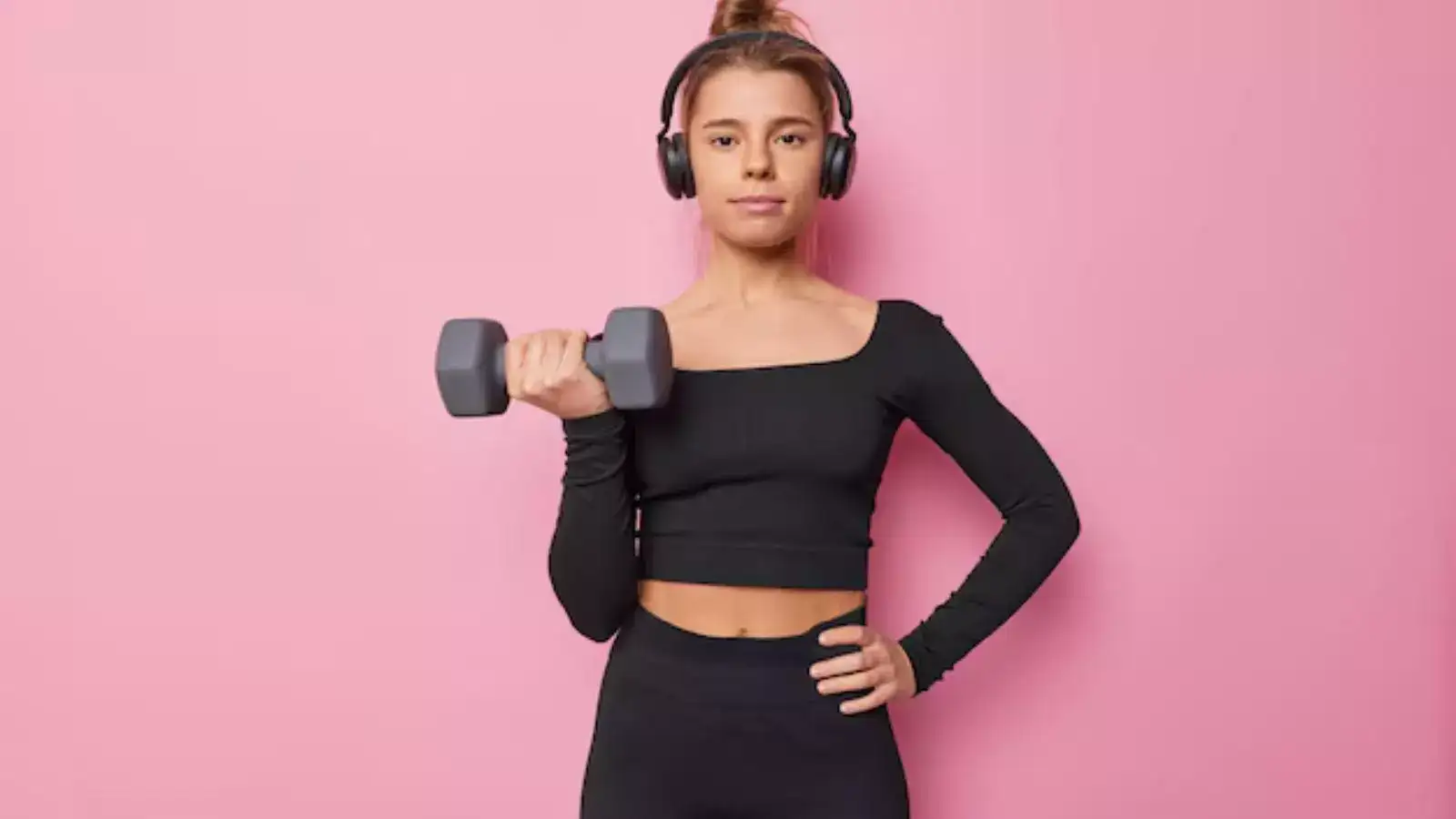
Set Clear and Realistic Goals
Before diving into workouts, establish what you want to achieve. Are you looking to lose weight, build muscle, increase flexibility, or boost overall health? Setting SMART (Specific, Measurable, Achievable, Relevant, and Time-bound) goals will help keep you motivated and track your progress.
Choose the Right Type of Exercise
As a beginner, it’s essential to pick exercises that match your fitness level and interests. Here are some common types:
Cardio: Walking, jogging, cycling, or swimming to improve endurance.
Strength Training: Bodyweight exercises, resistance bands, or light weights to build muscle.
Flexibility and Mobility: Yoga or stretching routines to prevent injuries and improve movement.
Functional Fitness: Activities like pilates and balance training to improve daily movement patterns.
Start with a Simple Routine
Begin with a balanced workout plan that includes a mix of cardio, strength, and flexibility exercises. A sample week for a beginner might look like this:
Monday: 30-minute brisk walk + bodyweight exercises
Wednesday: Strength training (push-ups, squats, lunges)
Friday: Yoga or stretching
Sunday: Leisurely bike ride or light jogging
As you build stamina and confidence, you can gradually increase intensity and duration.
Prioritize Proper Warm-up and Cool-down
Warming up prepares your body for exercise and reduces the risk of injury. A 5-10 minute warm-up could include dynamic stretches, arm circles, or light cardio like jumping jacks. Similarly, cooling down with static stretching and deep breathing helps your muscles recover and prevents stiffness.
Focus on Consistency Over Intensity
It’s better to work out regularly at a moderate intensity than to push too hard and burn out. Start with 3-4 days per week and gradually increase as your endurance improves. Listen to your body and rest when needed.
Stay Hydrated and Eat Well
Nutrition plays a crucial role in fitness. Drink plenty of water before, during, and after workouts. Eating a balanced diet rich in protein, healthy fats, and complex carbohydrates fuels your workouts and aids recovery.
Track Your Progress
Keeping a workout journal or using fitness apps can help you track your progress. Record your workouts, how you feel, and any improvements. Celebrate small milestones to stay motivated.
Find Support and Stay Motivated
Joining a fitness group, working out with a friend, or hiring a personal trainer can provide accountability. Changing up your routine occasionally can also keep things interesting and prevent boredom.
Listen to Your Body
It’s normal to feel some soreness when starting, but sharp pain or extreme discomfort is a sign to take a break. Rest days are essential for muscle recovery and overall well-being.
Keep a Positive Mindset
Fitness is a journey, not a race. Avoid comparing yourself to others and focus on your progress. Stay patient, and enjoy the process of building a healthier lifestyle.
By following these steps, you’ll create a sustainable workout routine that fits your needs and helps you achieve your fitness goals. Stay committed, be consistent, and most importantly.
Set Clear and Realistic Goals
Before diving into workouts, establish what you want to achieve. Are you looking to lose weight, build muscle, increase flexibility, or boost overall health? Setting SMART (Specific, Measurable, Achievable, Relevant, and Time-bound) goals will help keep you motivated and track your progress.
Choose the Right Type of Exercise
As a beginner, it’s essential to pick exercises that match your fitness level and interests. Here are some common types:
Cardio: Walking, jogging, cycling, or swimming to improve endurance.
Strength Training: Bodyweight exercises, resistance bands, or light weights to build muscle.
Flexibility and Mobility: Yoga or stretching routines to prevent injuries and improve movement.
Functional Fitness: Activities like pilates and balance training to improve daily movement patterns.
Start with a Simple Routine
Begin with a balanced workout plan that includes a mix of cardio, strength, and flexibility exercises. A sample week for a beginner might look like this:
Monday: 30-minute brisk walk + bodyweight exercises
You may also like
- Quote of the day by Adi Shankaracharya: “Who is more self-deluded than he who is careless of his own welfare after gaining a hard-won human birth and manhood, too?”; what the philosopher advises on making human life meaningful
- Word of the day: Vituperate
- In 1906, San Francisco lost more than 28,000 buildings to earthquake and fire: How the disaster reshaped the city's architecture and changed how America builds for earthquakes
- Why Your Beard Itches So Much and How You Can Finally Stop It
- 7 Things That Make Your Face Look Puffy Every Morning When You Rise
Wednesday: Strength training (push-ups, squats, lunges)
Friday: Yoga or stretching
Sunday: Leisurely bike ride or light jogging
As you build stamina and confidence, you can gradually increase intensity and duration.
Prioritize Proper Warm-up and Cool-down
Warming up prepares your body for exercise and reduces the risk of injury. A 5-10 minute warm-up could include dynamic stretches, arm circles, or light cardio like jumping jacks. Similarly, cooling down with static stretching and deep breathing helps your muscles recover and prevents stiffness.
Focus on Consistency Over Intensity
It’s better to work out regularly at a moderate intensity than to push too hard and burn out. Start with 3-4 days per week and gradually increase as your endurance improves. Listen to your body and rest when needed.
Stay Hydrated and Eat Well
Nutrition plays a crucial role in fitness. Drink plenty of water before, during, and after workouts. Eating a balanced diet rich in protein, healthy fats, and complex carbohydrates fuels your workouts and aids recovery.
Track Your Progress
Keeping a workout journal or using fitness apps can help you track your progress. Record your workouts, how you feel, and any improvements. Celebrate small milestones to stay motivated.
Find Support and Stay Motivated
Joining a fitness group, working out with a friend, or hiring a personal trainer can provide accountability. Changing up your routine occasionally can also keep things interesting and prevent boredom.
Listen to Your Body
It’s normal to feel some soreness when starting, but sharp pain or extreme discomfort is a sign to take a break. Rest days are essential for muscle recovery and overall well-being.
Keep a Positive Mindset
Fitness is a journey, not a race. Avoid comparing yourself to others and focus on your progress. Stay patient, and enjoy the process of building a healthier lifestyle.
By following these steps, you’ll create a sustainable workout routine that fits your needs and helps you achieve your fitness goals. Stay committed, be consistent, and most importantly.






Loving Newspoint? Download the app now
