
How To Teach Your Parrot New Words In Simple Steps

Parrots are among the most intelligent and talkative birds in the animal world. With the right approach, patience, and consistency, you can help your feathered friend expand its vocabulary and even mimic phrases with emotion. Here’s a simple guide to get you started.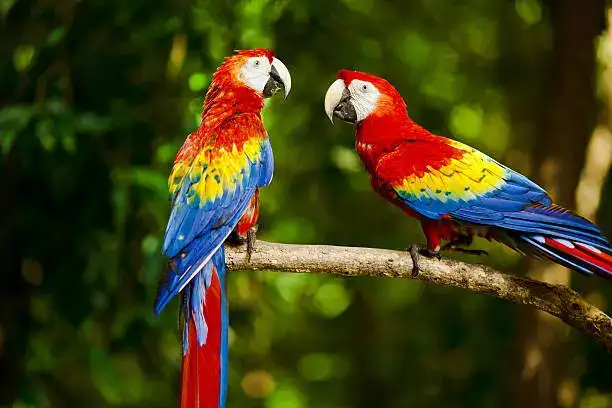
Create A Calm Learning Environment
Choose a quiet space without distractions. Parrots learn best when they feel safe, relaxed, and connected to their owner. Avoid teaching when your parrot is stressed or tired. A calm environment helps them focus on your voice.
Repeat, Reward, And Reinforce
Consistency is key. Repeat the chosen word several times in a cheerful tone. When your parrot tries to mimic or makes a sound close to it, reward them with a treat, praise, or gentle petting. Positive reinforcement encourages faster learning.
Use Everyday Situations
Integrate words naturally into daily interactions. Say “Eat” when giving food or “Come” when inviting them to your hand. Associating words with actions helps parrots understand context, not just mimic sounds.
Practice Regularly, But Keep It Short
Short, fun sessions work best around 5 to 10 minutes at a time. Overdoing it can lead to boredom or frustration. Patience is essential; some parrots pick up words quickly, while others may take weeks.
Keep The Energy Positive
Parrots are sensitive to tone. Use enthusiasm, smiles, and a friendly voice. Never scold your bird for not learning—negativity can make them retreat or go silent.
Final Tip: Build A Bond First
The stronger your bond, the better your parrot listens. Spend time talking, whistling, and simply being around them. A happy, trusting parrot is always eager to “talk back.”
With time, love, and consistency, your parrot won’t just learn new words it’ll become a lively little conversationalist and the heart of your home!
Start With Simple, Clear Words
Begin with short, easy-to-pronounce words like “Hello,” “Bye,” or your parrot’s name. Use words that your bird hears often and associate them with specific actions or times of day, like saying “Good morning” each morning. Repetition builds recognition.Create A Calm Learning Environment
Choose a quiet space without distractions. Parrots learn best when they feel safe, relaxed, and connected to their owner. Avoid teaching when your parrot is stressed or tired. A calm environment helps them focus on your voice.You may also like
- From UNESCO site to housekeeping: 5 things you didn't know about Indian Railways
- Meet Panchayat actor Vinod Suryavanshi, who once stood guard outside a factory just to catch a glimpse of Suniel Shetty and later shared screen with him
- India had a man who dined with Mao, advised Nehru, and wrote Malayalam poetry: Narayani Basu's masterful biography finally tells the forgotten story of K.M. Panikkar
- Understanding High Vaginal Swab Tests: Purpose, Procedure, and Results
- Bank Holiday Today: Are banks open or closed today, Saturday, July 25? Clear up any confusion before you step out..
Repeat, Reward, And Reinforce
Consistency is key. Repeat the chosen word several times in a cheerful tone. When your parrot tries to mimic or makes a sound close to it, reward them with a treat, praise, or gentle petting. Positive reinforcement encourages faster learning. Use Everyday Situations
Integrate words naturally into daily interactions. Say “Eat” when giving food or “Come” when inviting them to your hand. Associating words with actions helps parrots understand context, not just mimic sounds.Practice Regularly, But Keep It Short
Short, fun sessions work best around 5 to 10 minutes at a time. Overdoing it can lead to boredom or frustration. Patience is essential; some parrots pick up words quickly, while others may take weeks. Keep The Energy Positive
Parrots are sensitive to tone. Use enthusiasm, smiles, and a friendly voice. Never scold your bird for not learning—negativity can make them retreat or go silent. Final Tip: Build A Bond First
The stronger your bond, the better your parrot listens. Spend time talking, whistling, and simply being around them. A happy, trusting parrot is always eager to “talk back.” With time, love, and consistency, your parrot won’t just learn new words it’ll become a lively little conversationalist and the heart of your home!






Loving Newspoint? Download the app now
