
How To Tell If A Pearl Stone Is Real, Natural And Worth Your Investment

Pearls have captivated jewellery lovers for centuries with their natural beauty, understated elegance and unique formation process. Unlike most gemstones that are mined from the earth, pearls are created within living molluscs, making them one of nature's most fascinating treasures. Their popularity has led to the widespread availability of cultured, imitation and synthetic alternatives, which can sometimes make it difficult for buyers to determine authenticity. Whether purchasing a pearl necklace, ring or loose stone, understanding how to identify genuine pearls is essential. By learning about their physical characteristics, lustre, texture and quality indicators, buyers can make more confident decisions and ensure they are investing in authentic pearl jewellery rather than misleading imitations.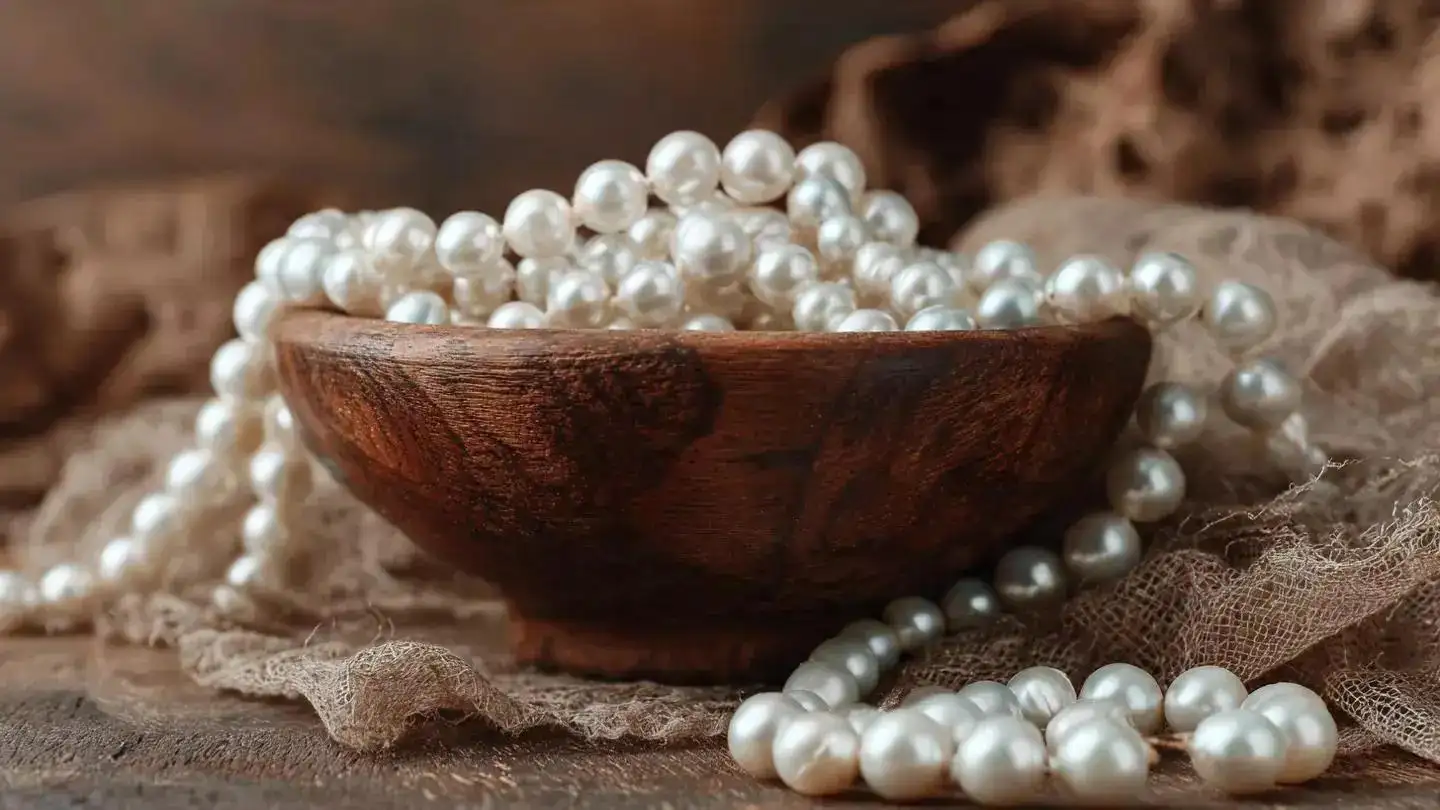
Natural pearls develop when an irritant enters a mollusc, prompting the creature to coat it with layers of nacre over time. Cultured pearls are created through a similar process, although human intervention initiates the formation. Both natural and cultured pearls are considered genuine pearls because they contain real nacre.
Imitation pearls, on the other hand, are usually manufactured from glass, plastic or other materials and merely resemble genuine pearls in appearance.
Genuine pearls display a distinctive glow that appears to come from within the surface. This effect is created by layers of nacre reflecting and refracting light. High-quality pearls often show a deep, radiant shine rather than a simple surface gloss.
Imitation pearls may appear shiny, but their shine often looks flat or artificial when compared with the rich lustre of authentic specimens.
When evaluating pearls, observe how light interacts with the surface from different angles.
Most genuine pearls possess minor imperfections, such as tiny ridges, spots or subtle variations in shape and texture. These natural characteristics are often signs of authenticity rather than flaws.
Imitation pearls frequently have overly smooth and flawless surfaces because they are machine-made. If every pearl in a strand appears perfectly identical, it may warrant closer examination.
Natural pearl characteristics often include slight irregularities that contribute to their individuality and charm.
Although perfectly round pearls are highly prized, most genuine pearls exhibit slight shape variations. Even within a carefully matched strand, subtle differences may be visible.
Mass-produced imitation pearls often display near-perfect uniformity because they are manufactured to precise specifications. While consistency alone does not prove a pearl is fake, excessive uniformity can be a warning sign.
When gently rubbed against the edge of a tooth, genuine pearls often feel slightly gritty due to the microscopic layers of nacre covering their surface. This texture is subtle but noticeable.
Imitation pearls usually feel completely smooth because they lack natural nacre layers.
This test should be performed gently to avoid damaging valuable jewellery and is best used as an initial indicator rather than definitive proof.
Authentic pearls generally show clean edges around the drill holes, and the nacre remains visible throughout the opening. The layers surrounding the hole often appear consistent with the rest of the pearl.
Imitation pearls may reveal peeling coatings, chipped paint or exposed glass or plastic beneath the surface. These signs can indicate a manufactured product rather than a genuine pearl.
Real pearls are often slightly heavier than plastic imitations of a similar size. They also tend to feel cool when first touched, gradually warming to body temperature after a few moments.
Plastic pearls generally warm more quickly and may feel lighter than expected. While these characteristics alone do not guarantee authenticity, they can support other observations.
Even within a single strand, subtle colour differences may be present. These natural variations often enhance the beauty and uniqueness of pearl jewellery.
Artificial pearls may display colours that appear overly uniform or excessively bright. Examining colour consistency alongside other characteristics can provide valuable clues.
Reputable jewellers and gemstone dealers frequently provide certificates or authenticity reports for premium pearls. These documents can offer information about origin, type and quality.
A reliable pearl buying guide always emphasises the importance of purchasing from trusted sources with transparent business practices and established reputations.
While prices vary depending on size, quality and rarity, genuine pearls are unlikely to be sold at unrealistically low prices. Offers that seem too good to be true should be approached with caution.
Comparing prices across multiple reputable sellers can help buyers develop a better understanding of market values and avoid potential disappointments.
Gemmologists possess specialised equipment and expertise that allow them to evaluate pearls accurately. Professional examination can help determine authenticity, quality and overall value.
This option is particularly useful when significant financial investment is involved.
Pearls remain among the most cherished gems in the world, admired for their elegance, rarity and natural beauty. However, the market also contains numerous imitation products that can confuse inexperienced buyers. By examining lustre, texture, surface characteristics, shape and overall quality, it becomes easier to distinguish genuine pearls from artificial alternatives. Understanding the key principles of pearl identification allows buyers to make informed decisions and appreciate the unique qualities that define authentic pearl jewellery. With careful observation and purchases from reputable sources, investing in an original pearl stone can become a rewarding and lasting experience.
Understanding What Makes A Pearl Genuine
Before learning how to identify an original pearl stone , it is important to understand how pearls are formed.Natural pearls develop when an irritant enters a mollusc, prompting the creature to coat it with layers of nacre over time. Cultured pearls are created through a similar process, although human intervention initiates the formation. Both natural and cultured pearls are considered genuine pearls because they contain real nacre.
Imitation pearls, on the other hand, are usually manufactured from glass, plastic or other materials and merely resemble genuine pearls in appearance.
Examine The Pearl's Lustre
One of the most important indicators of authenticity is lustre.Genuine pearls display a distinctive glow that appears to come from within the surface. This effect is created by layers of nacre reflecting and refracting light. High-quality pearls often show a deep, radiant shine rather than a simple surface gloss.
Imitation pearls may appear shiny, but their shine often looks flat or artificial when compared with the rich lustre of authentic specimens.
When evaluating pearls, observe how light interacts with the surface from different angles.
Look Closely At The Surface
Perfect pearls are exceptionally rare in nature.Most genuine pearls possess minor imperfections, such as tiny ridges, spots or subtle variations in shape and texture. These natural characteristics are often signs of authenticity rather than flaws.
Imitation pearls frequently have overly smooth and flawless surfaces because they are machine-made. If every pearl in a strand appears perfectly identical, it may warrant closer examination.
Natural pearl characteristics often include slight irregularities that contribute to their individuality and charm.
Check The Shape Carefully
Pearls are available in various shapes, including round, oval, button, drop and baroque forms.Although perfectly round pearls are highly prized, most genuine pearls exhibit slight shape variations. Even within a carefully matched strand, subtle differences may be visible.
Mass-produced imitation pearls often display near-perfect uniformity because they are manufactured to precise specifications. While consistency alone does not prove a pearl is fake, excessive uniformity can be a warning sign.
The Texture Test
One of the simplest methods of pearl identification involves examining texture.When gently rubbed against the edge of a tooth, genuine pearls often feel slightly gritty due to the microscopic layers of nacre covering their surface. This texture is subtle but noticeable.
Imitation pearls usually feel completely smooth because they lack natural nacre layers.
This test should be performed gently to avoid damaging valuable jewellery and is best used as an initial indicator rather than definitive proof.
Inspect The Drill Holes
If pearls are part of a necklace or bracelet, the drill holes can reveal useful clues.Authentic pearls generally show clean edges around the drill holes, and the nacre remains visible throughout the opening. The layers surrounding the hole often appear consistent with the rest of the pearl.
Imitation pearls may reveal peeling coatings, chipped paint or exposed glass or plastic beneath the surface. These signs can indicate a manufactured product rather than a genuine pearl.
Observe Weight And Temperature
Weight and temperature can provide additional information.Real pearls are often slightly heavier than plastic imitations of a similar size. They also tend to feel cool when first touched, gradually warming to body temperature after a few moments.
Plastic pearls generally warm more quickly and may feel lighter than expected. While these characteristics alone do not guarantee authenticity, they can support other observations.
Consider Colour Variations
Genuine pearls occur naturally in a range of colours, including white, cream, pink, silver, gold and black.Even within a single strand, subtle colour differences may be present. These natural variations often enhance the beauty and uniqueness of pearl jewellery.
Artificial pearls may display colours that appear overly uniform or excessively bright. Examining colour consistency alongside other characteristics can provide valuable clues.
Request Certification From Reputable Sellers
When purchasing high-value pearls, documentation is often an important consideration.You may also like
- Major announcement regarding the 7th Pay Commission in the budget... Great news for lakhs of government employees..
- Wondering what your child's future will look like in an AI-dominated world? Join TOI's New Age Careers in the Era of AI Masterclass today
- If you ignore inflation, you will still face anxiety in your old age despite having substantial savings..
- Withdrawing ₹1 Lakh from PF Today Could Cost You ₹11 Lakh at Retirement; Experts Explain the Math
- Bengal DA Hike: West Bengal announces a 20% DA increase; here's how the revised rate stacks up against Central Government employees.
Reputable jewellers and gemstone dealers frequently provide certificates or authenticity reports for premium pearls. These documents can offer information about origin, type and quality.
A reliable pearl buying guide always emphasises the importance of purchasing from trusted sources with transparent business practices and established reputations.
Be Cautious Of Unusually Low Prices
Authentic pearls require time and careful cultivation, which contributes to their value.While prices vary depending on size, quality and rarity, genuine pearls are unlikely to be sold at unrealistically low prices. Offers that seem too good to be true should be approached with caution.
Comparing prices across multiple reputable sellers can help buyers develop a better understanding of market values and avoid potential disappointments.
Professional Evaluation Offers Greater Certainty
For expensive purchases or inherited jewellery, professional assessment may provide additional peace of mind.Gemmologists possess specialised equipment and expertise that allow them to evaluate pearls accurately. Professional examination can help determine authenticity, quality and overall value.
This option is particularly useful when significant financial investment is involved.
Pearls remain among the most cherished gems in the world, admired for their elegance, rarity and natural beauty. However, the market also contains numerous imitation products that can confuse inexperienced buyers. By examining lustre, texture, surface characteristics, shape and overall quality, it becomes easier to distinguish genuine pearls from artificial alternatives. Understanding the key principles of pearl identification allows buyers to make informed decisions and appreciate the unique qualities that define authentic pearl jewellery. With careful observation and purchases from reputable sources, investing in an original pearl stone can become a rewarding and lasting experience.






More from our partners


Loving Newspoint? Download the app now
