
How To Tell If Dates Are Genuine Before Eating Them And What Warning Signs To Look For

The term ' fake dates ' can refer to different things. In some cases, people may be talking about poor-quality fruit sold as a premium variety. In other situations, the concern may involve artificial colouring, excessive sugar coating or products that have been stored improperly.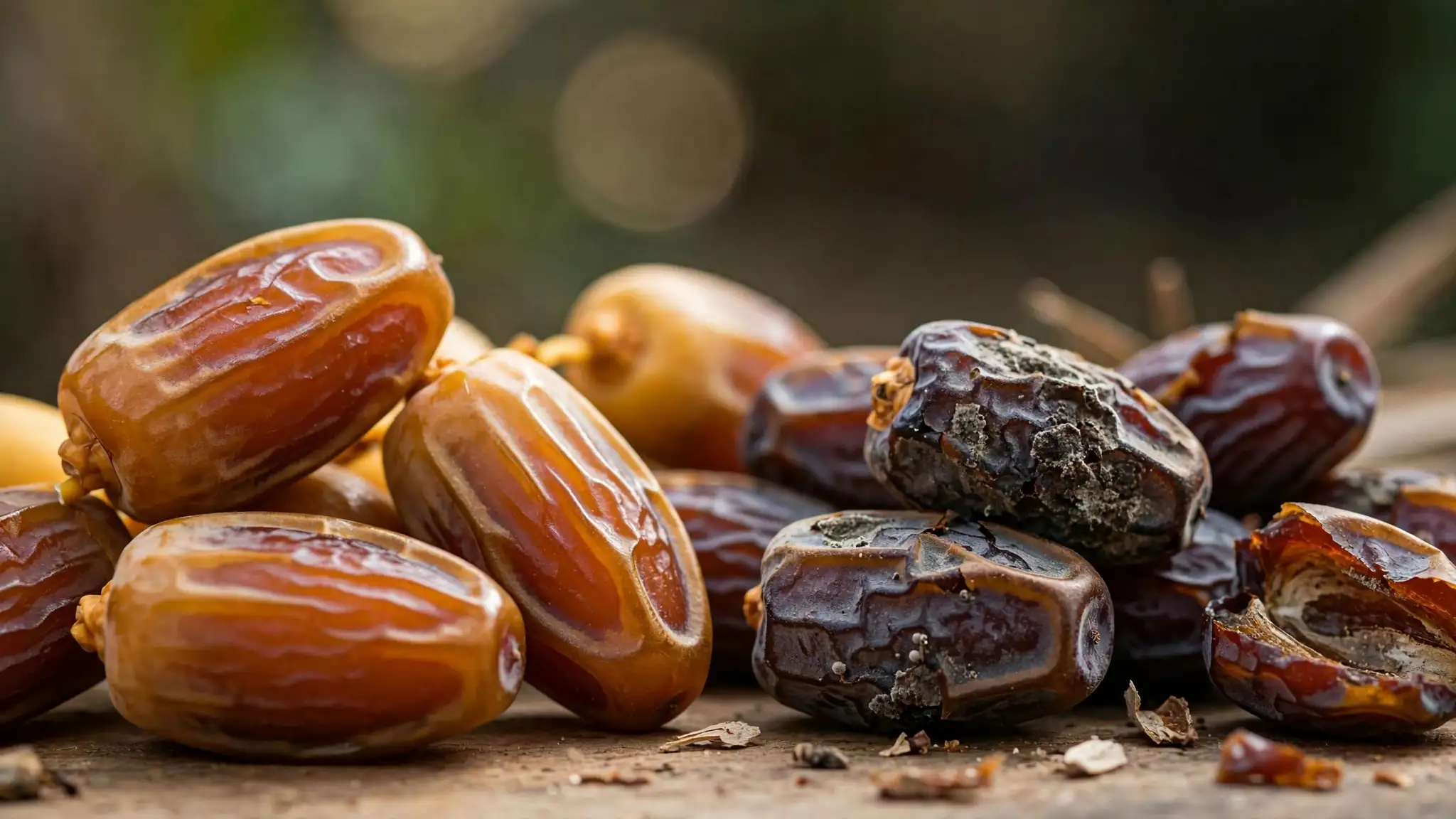
It is important to remember that a visual inspection cannot confirm every type of food adulteration . According to food safety experts, laboratory testing may be required to establish whether a product contains a specific adulterant.
However, shoppers can still look for obvious warning signs when buying dates.
A date that appears unusually glossy, unnaturally uniform or heavily coated may deserve closer inspection. Excessive stickiness on the outside can sometimes be linked to added syrup or other coatings, although natural dates can also be soft and sticky.
Look for visible mould, unusual discolouration or signs of insect damage. Any fruit showing mould should not be consumed.
If the fruit feels excessively wet, slimy or unusually hard compared with the variety described on the packaging, it may have been stored poorly or may not match the product description.
When learning how to detect fake dates , it is also useful to compare the product with dates from a trusted seller. Differences in texture and flavour can become easier to notice with experience.
A product with damaged packaging, unclear labelling or missing details should be approached cautiously. Food safety authorities generally recommend buying packaged food from reliable sources and checking labels before purchase.
The best way to identify genuine dates is to combine several checks rather than relying on one feature. Examine the appearance, smell and texture, read the packaging carefully and avoid products showing visible spoilage. If you suspect food adulteration, do not consume the product and consider reporting it to the relevant food safety authority.
Image Courtesy: Meta AI
It is important to remember that a visual inspection cannot confirm every type of food adulteration . According to food safety experts, laboratory testing may be required to establish whether a product contains a specific adulterant.
However, shoppers can still look for obvious warning signs when buying dates.
Check The Appearance Carefully
Genuine dates naturally vary in colour depending on the variety and level of ripeness. They may range from light golden brown to deep brown or almost black.A date that appears unusually glossy, unnaturally uniform or heavily coated may deserve closer inspection. Excessive stickiness on the outside can sometimes be linked to added syrup or other coatings, although natural dates can also be soft and sticky.
You may also like
- Home Loan Tips: Repay the loan early or invest the money? Find out which option is more beneficial..
- The Indian Rupee will now be accepted in this country; approval granted to carry ₹200 and ₹500 notes..
- Mumbai–Bengaluru Vande Bharat Sleeper's First AC coach gets a stunning luxury makeover; see the video
- Birth Order and Intelligence: Why do siblings raised in the same home have different brains?
- Water Bottle Smell Problem: Does the bottle smell bad even after washing it daily? Quit this habit.
Look for visible mould, unusual discolouration or signs of insect damage. Any fruit showing mould should not be consumed.
Examine The Texture And Smell
Texture is another useful way to assess dates fruit quality . Depending on the variety, dates can be soft, semi-dry or dry. However, they should not have an unusual chemical smell or a strong sour odour.If the fruit feels excessively wet, slimy or unusually hard compared with the variety described on the packaging, it may have been stored poorly or may not match the product description.
When learning how to detect fake dates , it is also useful to compare the product with dates from a trusted seller. Differences in texture and flavour can become easier to notice with experience.
Pay Attention To Packaging
The packaging can provide important information about the product. Check the name of the variety, ingredients, date of packing, best-before date and storage instructions.A product with damaged packaging, unclear labelling or missing details should be approached cautiously. Food safety authorities generally recommend buying packaged food from reliable sources and checking labels before purchase.
Avoid Unusually Cheap Premium Products
Price alone does not prove that dates are fake. However, if a product is being sold as a premium variety at a price that appears unusually low, shoppers may want to examine the label and quality more carefully.The best way to identify genuine dates is to combine several checks rather than relying on one feature. Examine the appearance, smell and texture, read the packaging carefully and avoid products showing visible spoilage. If you suspect food adulteration, do not consume the product and consider reporting it to the relevant food safety authority.
Image Courtesy: Meta AI






Loving Newspoint? Download the app now
