
How To Transition Your Cat To A New Diet Without Causing Stress Or Digestive Problems

Changing your cat's food requires patience and a gradual approach to prevent digestive problems and food refusal. By introducing the new diet slowly, monitoring your cat's response and maintaining a consistent feeding routine, you can make the transition smoother while supporting your pet's overall health and wellbeing.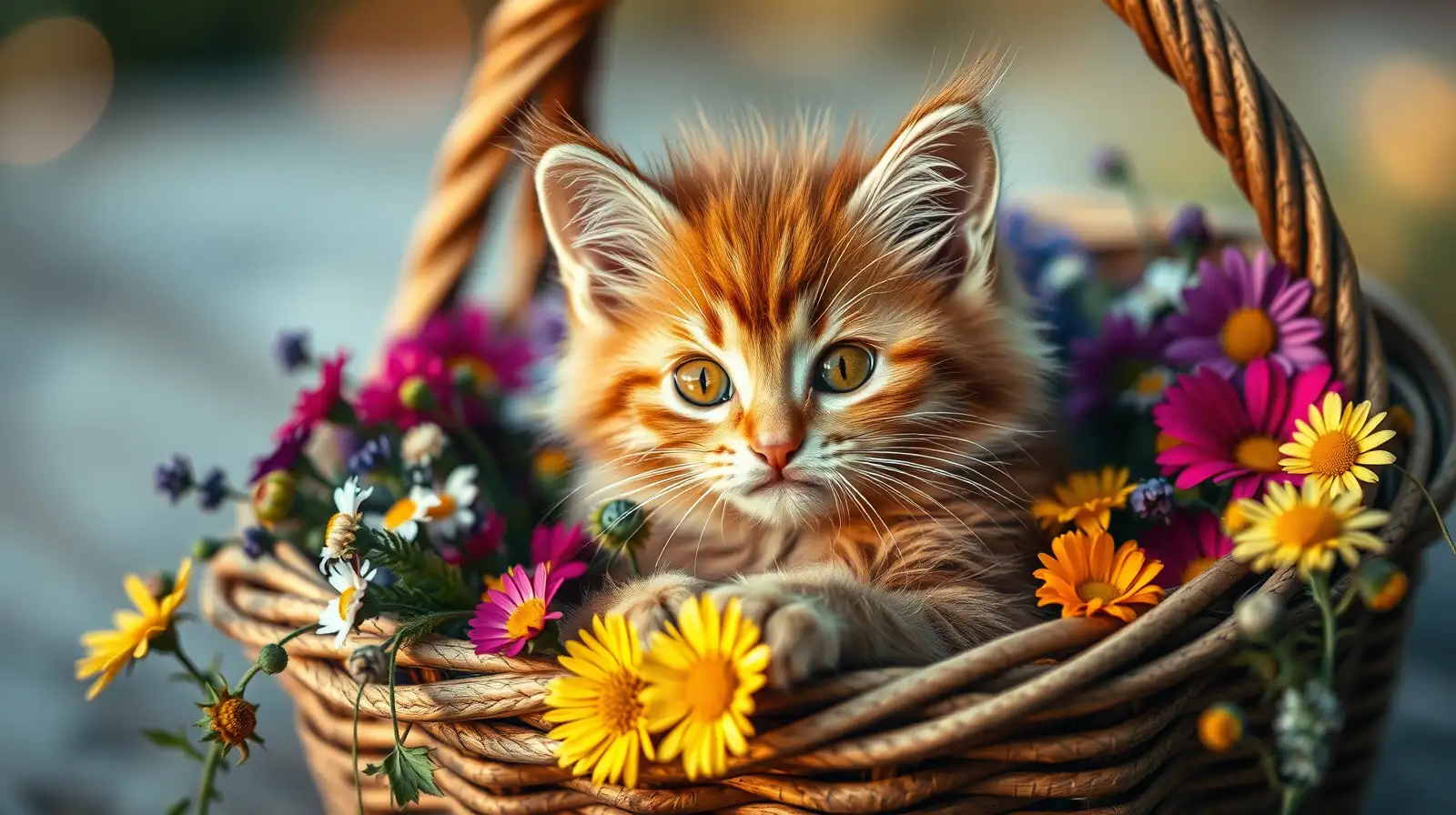
Whether your cat needs a new diet due to age, health concerns or simply a change in nutritional requirements, switching foods should never be done overnight. Cats are creatures of habit, and sudden dietary changes can lead to digestive upset, vomiting, diarrhoea or refusal to eat. A gradual transition allows your cat's digestive system to adapt to the new food while reducing stress. With patience, careful observation and the right feeding routine, you can help your feline companion adjust comfortably and continue enjoying a healthy, balanced diet.
A slow cat diet transition gives your pet time to become familiar with the new taste, texture and aroma while allowing the digestive system to adapt naturally.
Start by mixing around 75 per cent of the current food with 25 per cent of the new diet for the first few days. If your cat is eating well and showing no digestive issues, increase the new food to 50 per cent while reducing the old food accordingly.
After several more days, feed 75 per cent of the new food with 25 per cent of the previous diet. Once your cat is comfortable and eating normally, you can switch completely to the new diet.
Some cats with sensitive stomachs may require an even slower transition.
Also observe your cat's energy levels, coat condition and overall behaviour. These can provide useful clues about how well the new diet is being tolerated.
Always ensure fresh drinking water is available, especially if changing from wet food to dry food or vice versa. Store the new food correctly to preserve its freshness and flavour.
If your cat has an underlying medical condition or requires a prescription diet, seek guidance from your veterinarian before making any dietary changes.
A calm, gradual approach is the key to helping your cat accept a new diet. By giving your pet enough time to adjust and monitoring its response closely, you can support better digestion, maintain good nutrition and make the change as stress-free as possible.
Disclaimer: This article is intended for general informational purposes only and should not replace professional veterinary advice. Consult a qualified veterinarian before making significant changes to your cat's diet, particularly if your pet has an existing medical condition or special nutritional needs.
Whether your cat needs a new diet due to age, health concerns or simply a change in nutritional requirements, switching foods should never be done overnight. Cats are creatures of habit, and sudden dietary changes can lead to digestive upset, vomiting, diarrhoea or refusal to eat. A gradual transition allows your cat's digestive system to adapt to the new food while reducing stress. With patience, careful observation and the right feeding routine, you can help your feline companion adjust comfortably and continue enjoying a healthy, balanced diet.
Why A Gradual Transition Matters
A cat's digestive system is sensitive to sudden dietary changes. Introducing a new food too quickly may disturb the balance of beneficial gut bacteria, leading to stomach discomfort.A slow cat diet transition gives your pet time to become familiar with the new taste, texture and aroma while allowing the digestive system to adapt naturally.
Follow A Step-By-Step Feeding Plan
Most veterinarians recommend changing your cat's food gradually over seven to 10 days.Start by mixing around 75 per cent of the current food with 25 per cent of the new diet for the first few days. If your cat is eating well and showing no digestive issues, increase the new food to 50 per cent while reducing the old food accordingly.
After several more days, feed 75 per cent of the new food with 25 per cent of the previous diet. Once your cat is comfortable and eating normally, you can switch completely to the new diet.
You may also like
- 8th Pay Commission: By how much will your salary increase due to a change in the fitment factor? Understand the complete calculation..
- Crucial Cybersecurity Alert for WhatsApp Web Users
- Essential Tips for Storing Mangoes During Summer Heat
- The Best Times to Enjoy Sweets for Better Health
- Delicious Punjabi Baingan ki Kachri Recipe to Try at Home
Some cats with sensitive stomachs may require an even slower transition.
Watch For Changes In Behaviour And Health
During the transition, monitor your cat for vomiting, diarrhoea, constipation or reduced appetite. Mild hesitation is common, but prolonged refusal to eat or persistent digestive problems should not be ignored.Also observe your cat's energy levels, coat condition and overall behaviour. These can provide useful clues about how well the new diet is being tolerated.
Tips For A Successful Diet Change
Feed your cat at regular times each day and avoid offering too many treats during the transition, as they may interfere with the adjustment process.Always ensure fresh drinking water is available, especially if changing from wet food to dry food or vice versa. Store the new food correctly to preserve its freshness and flavour.
If your cat has an underlying medical condition or requires a prescription diet, seek guidance from your veterinarian before making any dietary changes.
A calm, gradual approach is the key to helping your cat accept a new diet. By giving your pet enough time to adjust and monitoring its response closely, you can support better digestion, maintain good nutrition and make the change as stress-free as possible.
Disclaimer: This article is intended for general informational purposes only and should not replace professional veterinary advice. Consult a qualified veterinarian before making significant changes to your cat's diet, particularly if your pet has an existing medical condition or special nutritional needs.






More from our partners


Loving Newspoint? Download the app now
