
How To Transition Your Cat To A New Diet Without Causing Stress Or Digestive Problems

Changing your cat's food requires patience and a gradual approach to prevent digestive problems and food refusal. By introducing the new diet slowly, monitoring your cat's response and maintaining a consistent feeding routine, you can make the transition smoother while supporting your pet's overall health and wellbeing.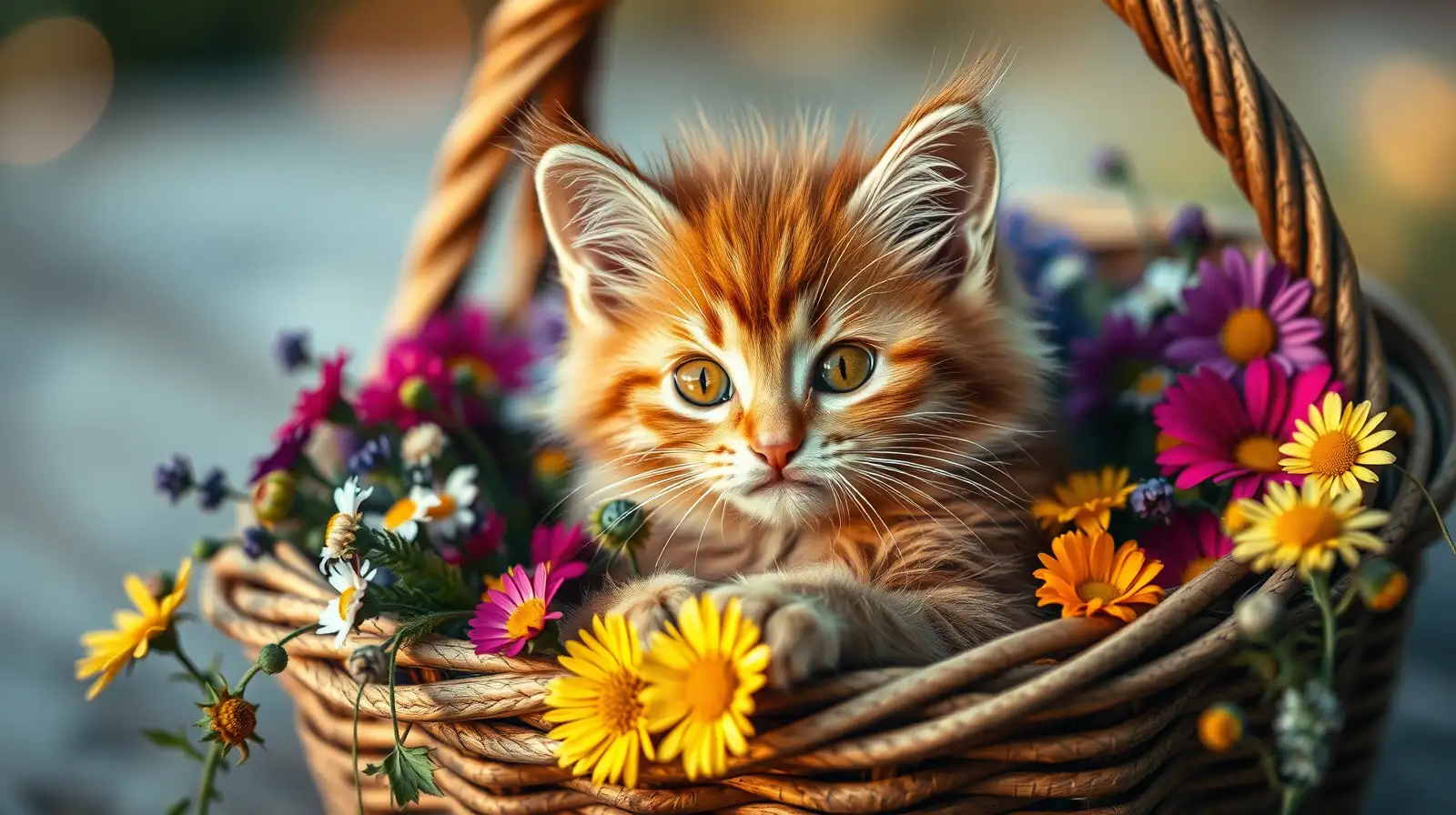
Whether your cat needs a new diet due to age, health concerns or simply a change in nutritional requirements, switching foods should never be done overnight. Cats are creatures of habit, and sudden dietary changes can lead to digestive upset, vomiting, diarrhoea or refusal to eat. A gradual transition allows your cat's digestive system to adapt to the new food while reducing stress. With patience, careful observation and the right feeding routine, you can help your feline companion adjust comfortably and continue enjoying a healthy, balanced diet.
A slow cat diet transition gives your pet time to become familiar with the new taste, texture and aroma while allowing the digestive system to adapt naturally.
Start by mixing around 75 per cent of the current food with 25 per cent of the new diet for the first few days. If your cat is eating well and showing no digestive issues, increase the new food to 50 per cent while reducing the old food accordingly.
After several more days, feed 75 per cent of the new food with 25 per cent of the previous diet. Once your cat is comfortable and eating normally, you can switch completely to the new diet.
Whether your cat needs a new diet due to age, health concerns or simply a change in nutritional requirements, switching foods should never be done overnight. Cats are creatures of habit, and sudden dietary changes can lead to digestive upset, vomiting, diarrhoea or refusal to eat. A gradual transition allows your cat's digestive system to adapt to the new food while reducing stress. With patience, careful observation and the right feeding routine, you can help your feline companion adjust comfortably and continue enjoying a healthy, balanced diet.
Why A Gradual Transition Matters
A cat's digestive system is sensitive to sudden dietary changes. Introducing a new food too quickly may disturb the balance of beneficial gut bacteria, leading to stomach discomfort.A slow cat diet transition gives your pet time to become familiar with the new taste, texture and aroma while allowing the digestive system to adapt naturally.
Follow A Step-By-Step Feeding Plan
Most veterinarians recommend changing your cat's food gradually over seven to 10 days.Start by mixing around 75 per cent of the current food with 25 per cent of the new diet for the first few days. If your cat is eating well and showing no digestive issues, increase the new food to 50 per cent while reducing the old food accordingly.
After several more days, feed 75 per cent of the new food with 25 per cent of the previous diet. Once your cat is comfortable and eating normally, you can switch completely to the new diet.
Next Story