
How Traditional Indian Mithai Is Being Reinvented With Contemporary Ingredients And Styles

Indian sweets have always held a special place in celebrations, festivals and family gatherings. From syrup-soaked gulab jamuns to rich kaju katli and soft rasgullas, traditional mithai reflects generations of culinary heritage and regional diversity. However, changing food trends and evolving tastes have encouraged chefs, home bakers and dessert brands to experiment with these classics in creative new ways.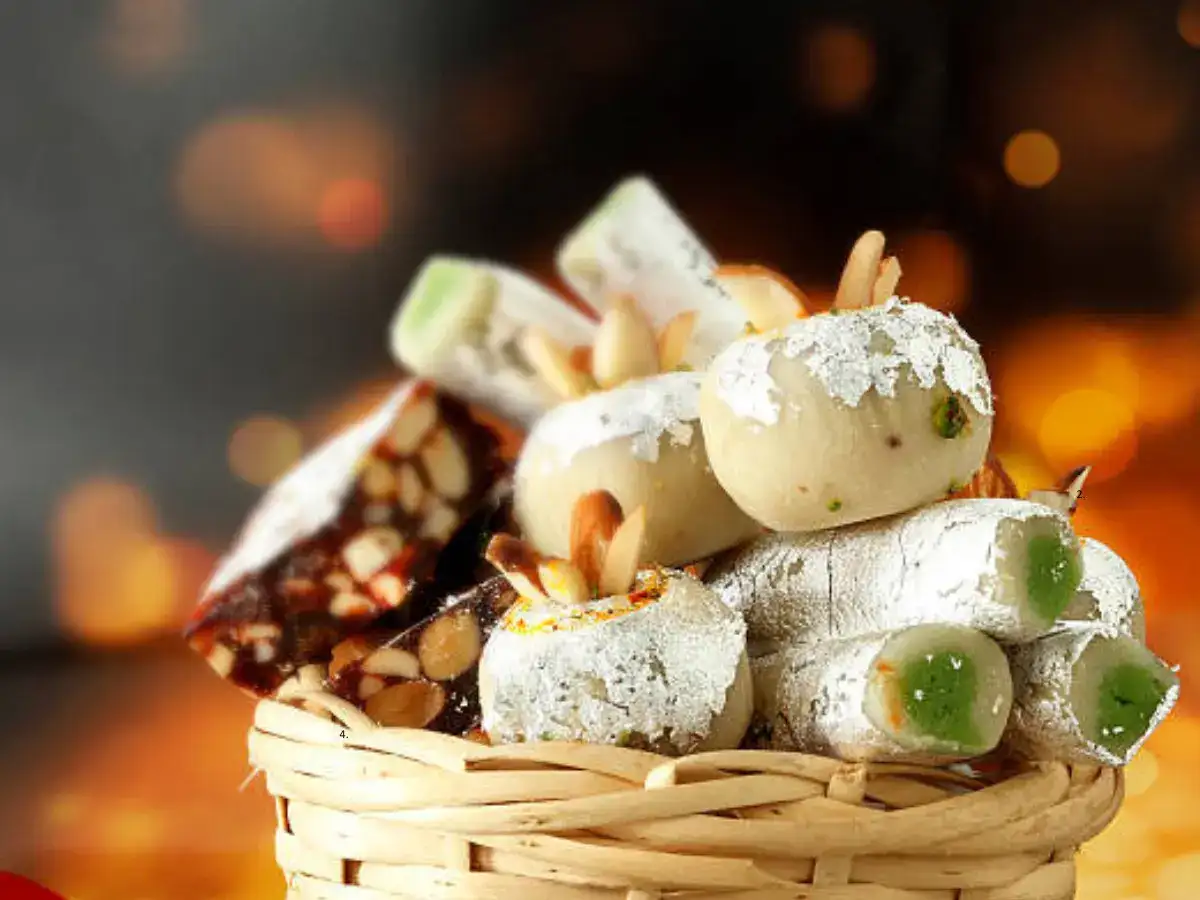
Today, traditional Indian sweets are being reimagined with global influences, contemporary presentation styles and unexpected flavour combinations. While the essence of the original dessert remains intact, modern twists are helping Indian mithai attract younger consumers and dessert lovers looking for something different yet familiar.
Modern Indian desserts offer exactly that balance. They preserve familiar ingredients such as cardamom, saffron, ghee and nuts while introducing elements like chocolate, cream cheese, coffee or exotic fruits.
Social media has also played a major role in popularising visually appealing and creatively presented sweets. Attractive dessert combinations often gain attention quickly, encouraging more experimentation in kitchens and sweet shops.
Gulab jamun cheesecake has become especially popular, combining the creamy richness of cheesecake with the soft texture and sweetness of the classic mithai. Some chefs also use mini gulab jamuns as toppings for cakes, waffles and ice creams.
Chocolate-filled gulab jamuns and baked versions are also becoming common in dessert menus, offering a different texture while retaining the familiar flavour profile.
Chocolate barfi is among the most popular fusion mithai recipes because it appeals to both traditional and contemporary dessert lovers. Some versions even combine multiple layers of flavours, blending pistachio, coffee or cookie crumbs with classic milk-based barfi.
Presentation styles have also evolved, with sweets being shaped into elegant bites and decorative dessert platters suitable for gifting and celebrations.
Similarly, rasgulla-based puddings, parfaits and chilled dessert cups are becoming increasingly common during celebrations and special occasions.
These adaptations maintain the delicate flavour of traditional sweets while introducing textures and formats that feel more contemporary.
Many contemporary Indian sweets now use jaggery instead of refined sugar or include ingredients such as oats, seeds and dry fruits for added nutritional value.
Vegan and low-sugar adaptations of laddoos, halwa and barfi are also becoming more popular among people looking for healthier dessert alternatives without completely giving up traditional flavours.
Desserts such as paan ice cream, filter coffee tiramisu, gajar halwa tart and rabri mousse showcase how Indian flavours can blend naturally with global dessert concepts.
This cross-cultural creativity has expanded the appeal of Indian sweets beyond festive occasions and helped introduce them to younger urban audiences in new forms.
Ingredients such as cardamom, saffron, rose water, pistachio and ghee continue to define the identity of many modern Indian desserts. Even when paired with international dessert techniques, these flavours maintain a sense of cultural familiarity.
This balance between innovation and tradition is what makes fusion mithai so appealing to a wide range of consumers.
From festive sweet boxes featuring fusion flavours to café-style mithai desserts, the market for creative Indian sweets continues to expand rapidly.
Traditional Indian sweets with modern twists prove that culinary heritage can evolve without losing its identity. By combining timeless recipes with contemporary creativity, these desserts continue to delight both older generations and younger food enthusiasts alike.
Today, traditional Indian sweets are being reimagined with global influences, contemporary presentation styles and unexpected flavour combinations. While the essence of the original dessert remains intact, modern twists are helping Indian mithai attract younger consumers and dessert lovers looking for something different yet familiar.
Why Modern Fusion Mithai Is Gaining Popularity
The growing popularity of fusion desserts can largely be linked to changing food habits and increasing exposure to international cuisines. Younger consumers often seek desserts that feel innovative without losing the comfort of traditional flavours.Modern Indian desserts offer exactly that balance. They preserve familiar ingredients such as cardamom, saffron, ghee and nuts while introducing elements like chocolate, cream cheese, coffee or exotic fruits.
Social media has also played a major role in popularising visually appealing and creatively presented sweets. Attractive dessert combinations often gain attention quickly, encouraging more experimentation in kitchens and sweet shops.
Gulab Jamun Gets A Contemporary Makeover
Few Indian sweets are as widely loved as gulab jamun. Traditionally served warm with sugar syrup, this dessert has now inspired several modern variations.Gulab jamun cheesecake has become especially popular, combining the creamy richness of cheesecake with the soft texture and sweetness of the classic mithai. Some chefs also use mini gulab jamuns as toppings for cakes, waffles and ice creams.
Chocolate-filled gulab jamuns and baked versions are also becoming common in dessert menus, offering a different texture while retaining the familiar flavour profile.
Barfi Beyond Traditional Flavours
Barfi has also undergone a significant transformation in recent years. While traditional varieties made from milk solids, coconut or nuts remain favourites, modern versions now feature ingredients such as dark chocolate, berries and caramel.Chocolate barfi is among the most popular fusion mithai recipes because it appeals to both traditional and contemporary dessert lovers. Some versions even combine multiple layers of flavours, blending pistachio, coffee or cookie crumbs with classic milk-based barfi.
Presentation styles have also evolved, with sweets being shaped into elegant bites and decorative dessert platters suitable for gifting and celebrations.
Rasgulla And Rasmalai In New Dessert Forms
Bengali sweets such as rasgulla and rasmalai have also inspired creative dessert trends. Rasmalai cake has emerged as a festive favourite, combining sponge cake layers with saffron milk and soft rasmalai pieces.Similarly, rasgulla-based puddings, parfaits and chilled dessert cups are becoming increasingly common during celebrations and special occasions.
These adaptations maintain the delicate flavour of traditional sweets while introducing textures and formats that feel more contemporary.
Health-Conscious Variations Of Traditional Sweets
Modern dessert innovation is not limited to flavour alone. Health-conscious consumers have also encouraged the development of lighter and ingredient-focused versions of traditional Indian sweets.Many contemporary Indian sweets now use jaggery instead of refined sugar or include ingredients such as oats, seeds and dry fruits for added nutritional value.
Vegan and low-sugar adaptations of laddoos, halwa and barfi are also becoming more popular among people looking for healthier dessert alternatives without completely giving up traditional flavours.
Influence Of Global Desserts On Indian Mithai
International dessert trends continue to influence Indian sweet innovations . Cheesecakes, brownies, mousse desserts and pastries are increasingly being combined with Indian ingredients and flavours.Desserts such as paan ice cream, filter coffee tiramisu, gajar halwa tart and rabri mousse showcase how Indian flavours can blend naturally with global dessert concepts.
This cross-cultural creativity has expanded the appeal of Indian sweets beyond festive occasions and helped introduce them to younger urban audiences in new forms.
Traditional Flavours Still Remain Central
Despite these modern experiments, the emotional connection with traditional Indian sweets remains strong. Most fusion desserts succeed because they preserve the familiar flavours that people already love.Ingredients such as cardamom, saffron, rose water, pistachio and ghee continue to define the identity of many modern Indian desserts. Even when paired with international dessert techniques, these flavours maintain a sense of cultural familiarity.
This balance between innovation and tradition is what makes fusion mithai so appealing to a wide range of consumers.
The Future Of Indian Sweet Innovation
As food culture continues to evolve, traditional Indian sweets are likely to see even more experimentation in flavours, textures and presentation. Dessert makers are constantly exploring ways to modernise recipes while respecting their cultural roots.From festive sweet boxes featuring fusion flavours to café-style mithai desserts, the market for creative Indian sweets continues to expand rapidly.
Traditional Indian sweets with modern twists prove that culinary heritage can evolve without losing its identity. By combining timeless recipes with contemporary creativity, these desserts continue to delight both older generations and younger food enthusiasts alike.
Next Story