
How Turmeric Can Support Overall Wellbeing Through 10 Impressive Health Benefits

Turmeric is one of the most widely recognised spices in the world, valued not only for its distinctive golden colour but also for its long history in culinary and traditional wellness practices. Derived from the root of the turmeric plant, this spice has been used for centuries in various cultures. Modern research has increasingly focused on curcumin, the primary active compound in turmeric, which is believed to contribute to many of its potential health-promoting properties. While turmeric should not be considered a cure for medical conditions, incorporating it into a balanced diet may offer several benefits. Here are 10 essential health benefits of turmeric that make it worthy of attention.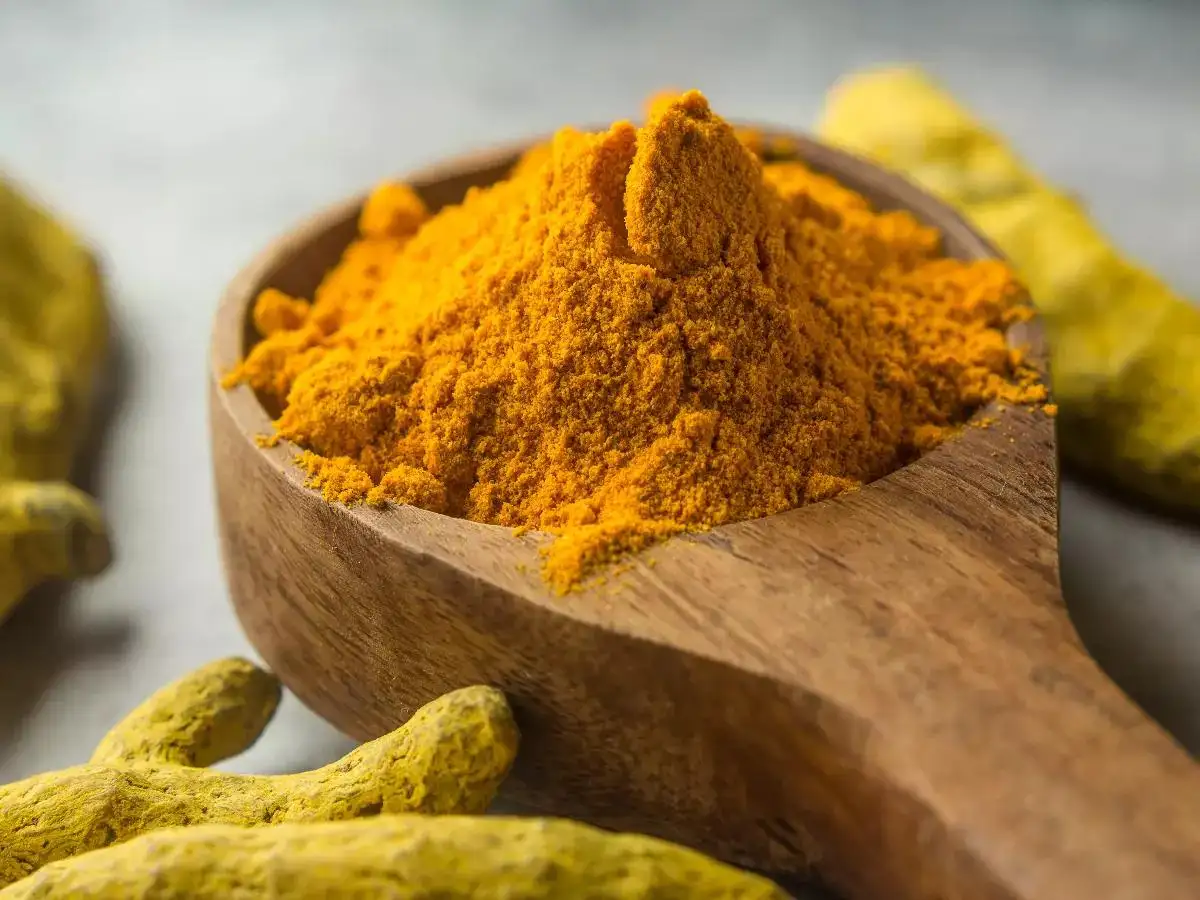
Curcumin is the best-known of these compounds and has been widely studied for its biological activity. Although turmeric contains many other beneficial components, curcumin remains the focus of much scientific interest.
Adding turmeric to meals can be an easy way to increase the variety of plant-based compounds in the diet.
Inflammation is a natural process that helps the body respond to injury and infection. Maintaining a healthy inflammatory response is an important part of overall wellbeing.
Many people choose to include turmeric as part of a balanced dietary pattern aimed at supporting long-term health.
Turmeric contains compounds with antioxidant properties that help neutralise these molecules. Antioxidants play an important role in protecting cells from everyday wear and tear caused by environmental and metabolic factors.
A diet rich in antioxidant-containing foods can contribute to overall wellness.
A strong immune system relies on a combination of factors, including good nutrition, regular exercise, sufficient sleep and overall healthy lifestyle habits.
Turmeric for immunity is often highlighted because its active compounds may complement a healthy and balanced diet that supports the body's natural defence mechanisms.
Its inclusion in meals may help promote digestive comfort and contribute to a balanced digestive environment. Many people find that adding turmeric to soups, curries and warm beverages fits naturally into their daily routine.
Digestive health plays a significant role in overall wellbeing, making dietary choices particularly important.
Research continues to explore the relationship between curcumin benefits and cardiovascular health. While turmeric should not replace medical advice or treatment, it can be included as part of a heart-conscious eating pattern rich in fruits, vegetables, whole grains and healthy fats.
Balanced nutrition remains one of the key foundations of cardiovascular wellbeing.
Maintaining healthy joints is essential for mobility and quality of life, particularly as people age. Turmeric is frequently included in wellness routines aimed at supporting physical comfort and active living.
Combined with regular movement and a healthy lifestyle, it may contribute to overall musculoskeletal wellbeing.
It can be used in a wide range of dishes, including curries, rice preparations, soups, roasted vegetables and smoothies. Its versatility makes it easy to incorporate into everyday eating habits.
Choosing flavourful ingredients such as turmeric can help people create enjoyable and nutritious meals.
Curcumin benefits have attracted attention in studies exploring cognitive function and healthy ageing. Although research is ongoing, maintaining a nutrient-rich diet remains an important part of supporting long-term mental wellbeing.
Foods containing beneficial plant compounds are often included in dietary approaches that prioritise brain health.
1. Rich In Beneficial Plant Compounds
One of the most important aspects of turmeric nutrition is its content of naturally occurring plant compounds.Curcumin is the best-known of these compounds and has been widely studied for its biological activity. Although turmeric contains many other beneficial components, curcumin remains the focus of much scientific interest.
Adding turmeric to meals can be an easy way to increase the variety of plant-based compounds in the diet.
2. May Help Support A Healthy Inflammatory Response
Turmeric is often included among anti-inflammatory foods due to the properties associated with curcumin.Inflammation is a natural process that helps the body respond to injury and infection. Maintaining a healthy inflammatory response is an important part of overall wellbeing.
Many people choose to include turmeric as part of a balanced dietary pattern aimed at supporting long-term health.
3. Provides Antioxidant Support
The body is continually exposed to unstable molecules known as free radicals, which can contribute to oxidative stress.Turmeric contains compounds with antioxidant properties that help neutralise these molecules. Antioxidants play an important role in protecting cells from everyday wear and tear caused by environmental and metabolic factors.
A diet rich in antioxidant-containing foods can contribute to overall wellness.
4. May Contribute To Immune System Function
Among the most discussed health benefits of turmeric is its potential role in supporting normal immune function.A strong immune system relies on a combination of factors, including good nutrition, regular exercise, sufficient sleep and overall healthy lifestyle habits.
Turmeric for immunity is often highlighted because its active compounds may complement a healthy and balanced diet that supports the body's natural defence mechanisms.
5. Supports Digestive Health
Turmeric has traditionally been used in various cuisines and wellness practices to support digestion.Its inclusion in meals may help promote digestive comfort and contribute to a balanced digestive environment. Many people find that adding turmeric to soups, curries and warm beverages fits naturally into their daily routine.
Digestive health plays a significant role in overall wellbeing, making dietary choices particularly important.
6. May Support Heart Health
A healthy cardiovascular system is influenced by numerous lifestyle factors, including diet, exercise and stress management.Research continues to explore the relationship between curcumin benefits and cardiovascular health. While turmeric should not replace medical advice or treatment, it can be included as part of a heart-conscious eating pattern rich in fruits, vegetables, whole grains and healthy fats.
Balanced nutrition remains one of the key foundations of cardiovascular wellbeing.
7. May Help Support Joint Comfort
Many people incorporate turmeric into their diets because of its association with joint health.Maintaining healthy joints is essential for mobility and quality of life, particularly as people age. Turmeric is frequently included in wellness routines aimed at supporting physical comfort and active living.
Combined with regular movement and a healthy lifestyle, it may contribute to overall musculoskeletal wellbeing.
8. Can Be A Valuable Part Of A Healthy Diet
Turmeric adds flavour, colour and nutritional variety to meals without contributing significant calories.It can be used in a wide range of dishes, including curries, rice preparations, soups, roasted vegetables and smoothies. Its versatility makes it easy to incorporate into everyday eating habits.
Choosing flavourful ingredients such as turmeric can help people create enjoyable and nutritious meals.
9. May Support Cognitive Health
Researchers continue to investigate the relationship between dietary patterns and brain health.Curcumin benefits have attracted attention in studies exploring cognitive function and healthy ageing. Although research is ongoing, maintaining a nutrient-rich diet remains an important part of supporting long-term mental wellbeing.
Foods containing beneficial plant compounds are often included in dietary approaches that prioritise brain health.
10. Encourages A Nutrient-Rich Lifestyle
Perhaps one of turmeric's greatest strengths is its ability to encourage healthier eating habits.Next Story