
How Understanding Your Cat’s Body Language Can Strengthen Your Bond

Cats may not speak the same language as humans, but they are constantly communicating. Every tail flick, ear movement, eye expression and purr carries meaning. While many people associate purring with happiness, feline communication is far more complex. Understanding a cat’s body language can help owners recognise their pet’s emotions, needs and intentions.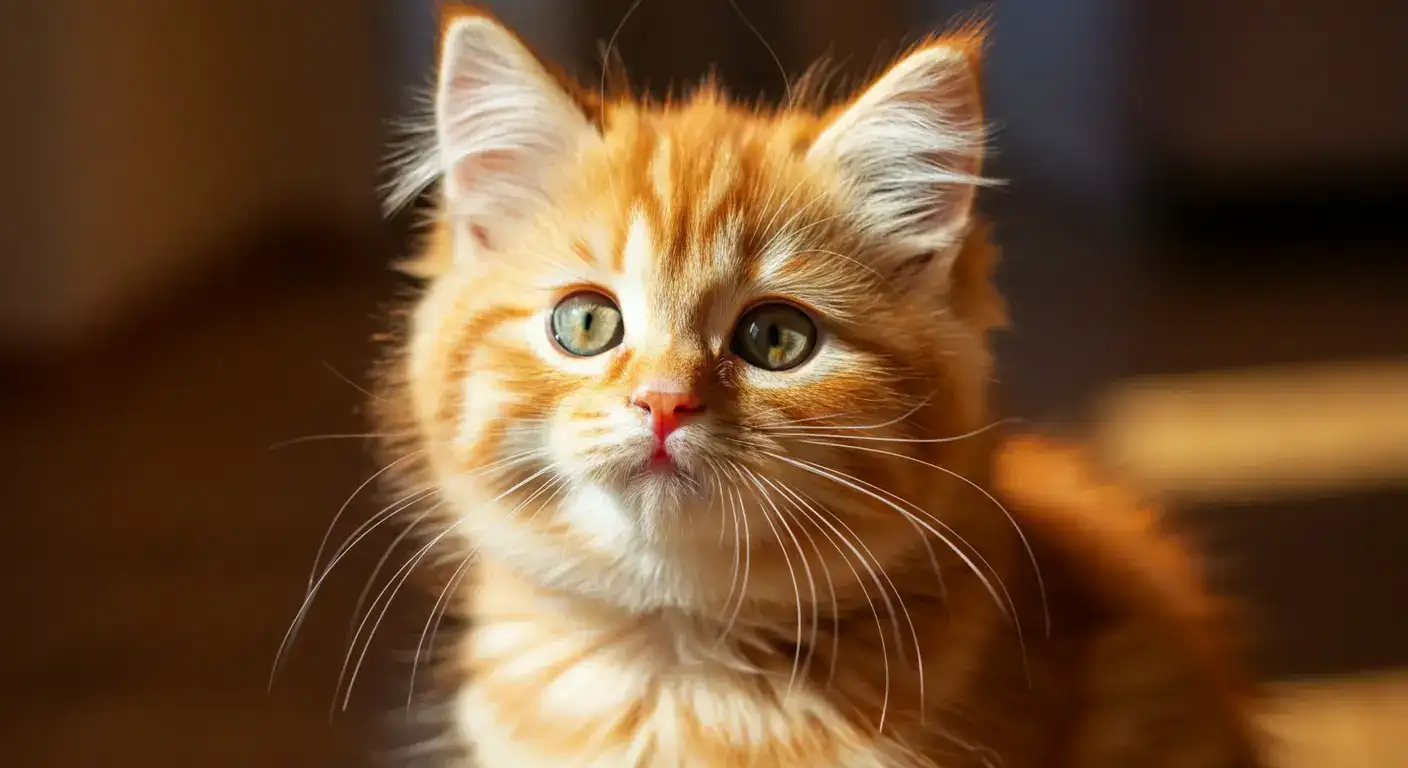
Developing an awareness of these signals not only improves the relationship between cats and their owners but also helps create a safer and more comfortable environment for the animal. By paying attention to subtle behavioural cues, cat owners can gain valuable insights into what their feline companion is feeling at any given moment.
Understanding cat body language helps owners identify when a cat feels relaxed, playful, frightened, stressed or unwell. Recognising these signs early can prevent misunderstandings and reduce situations that may cause anxiety or discomfort for the pet.
Cats use body language as their primary form of communication, making it one of the most important aspects of understanding feline behaviour .
A tail held upright often indicates confidence, friendliness and a willingness to interact. This is commonly seen when a cat greets a familiar person.
A gently curved tail usually suggests a relaxed and content cat. On the other hand, a puffed-up tail is a clear sign that the animal feels threatened or frightened and is attempting to appear larger.
Rapid tail flicking or lashing can signal irritation, frustration or overstimulation. If a cat begins swishing its tail aggressively during petting, it may be a sign that it wants space.
Forward-facing ears generally indicate curiosity, confidence and interest in the surrounding environment. Slightly rotated ears may suggest alertness as the cat listens carefully to nearby sounds.
Flattened ears are often associated with fear, stress or defensive behaviour. If combined with a tense body posture, the cat may be feeling threatened.
Eye contact also carries meaning. Slow blinking is commonly interpreted as a sign of trust and affection. Many cat owners notice their pets giving slow blinks when they feel safe and comfortable.
Wide, dilated pupils may indicate excitement, fear or heightened alertness, depending on the situation. Narrow pupils can sometimes signal aggression or intense focus.
A relaxed cat typically sits or lies comfortably with loose muscles and a calm appearance. This posture reflects a sense of security and wellbeing.
When a cat crouches low to the ground, it may be feeling nervous or uncertain. If the back arches dramatically and fur stands on end, the cat is likely attempting to defend itself from a perceived threat.
Cats displaying confidence often move smoothly and comfortably through their surroundings. Their bodies appear relaxed, and they show little hesitation when exploring familiar spaces.
Observing body posture alongside other signals provides a more accurate understanding of cat communication .
Cats often purr when they are relaxed, being stroked or spending time with trusted humans. In these situations, purring usually reflects comfort and satisfaction.
However, cats may also purr when they feel anxious, frightened or unwell. Some experts believe purring can function as a self-soothing mechanism during stressful situations.
Mother cats and kittens frequently use purring to communicate and strengthen their bond. Kittens begin purring at a very young age, helping them maintain contact with their mother.
Because purring occurs in multiple contexts, it is important to consider accompanying body language before drawing conclusions about a cat’s emotional state.
In contrast, a purring cat with flattened ears, tense muscles and a crouched stance may be experiencing stress or discomfort.
Successful interpretation of cat body language involves looking at the entire picture rather than focusing on one signal alone. The combination of posture, tail position, facial expressions and vocalisations provides the clearest understanding of what the cat is trying to communicate.
Respecting a cat’s boundaries, understanding when it wants attention and recognising signs of stress contribute to a more positive environment. Cats that feel understood are often more confident, relaxed and affectionate.
Patience and observation are key. Every cat has its own personality, and while general body language patterns exist, individual preferences and behaviours can vary.
By paying closer attention to cat body language and cat purring meaning , owners can better understand their pet’s emotions and needs. This deeper understanding leads to stronger communication, improved wellbeing and a more rewarding companionship between humans and their feline friends.
Developing an awareness of these signals not only improves the relationship between cats and their owners but also helps create a safer and more comfortable environment for the animal. By paying attention to subtle behavioural cues, cat owners can gain valuable insights into what their feline companion is feeling at any given moment.
Why Cat Body Language Matters
Unlike dogs, which often communicate in more obvious ways, cats tend to be subtle in their expressions. Their body posture, tail position, ear orientation and facial expressions all work together to convey messages.Understanding cat body language helps owners identify when a cat feels relaxed, playful, frightened, stressed or unwell. Recognising these signs early can prevent misunderstandings and reduce situations that may cause anxiety or discomfort for the pet.
Cats use body language as their primary form of communication, making it one of the most important aspects of understanding feline behaviour .
The Meaning Behind Tail Movements
A cat’s tail is one of its most expressive features. Observing tail positions can reveal a great deal about mood and emotional state.A tail held upright often indicates confidence, friendliness and a willingness to interact. This is commonly seen when a cat greets a familiar person.
A gently curved tail usually suggests a relaxed and content cat. On the other hand, a puffed-up tail is a clear sign that the animal feels threatened or frightened and is attempting to appear larger.
Rapid tail flicking or lashing can signal irritation, frustration or overstimulation. If a cat begins swishing its tail aggressively during petting, it may be a sign that it wants space.
Understanding Ear And Eye Signals
The ears and eyes provide additional clues about a cat’s emotional condition.Forward-facing ears generally indicate curiosity, confidence and interest in the surrounding environment. Slightly rotated ears may suggest alertness as the cat listens carefully to nearby sounds.
Flattened ears are often associated with fear, stress or defensive behaviour. If combined with a tense body posture, the cat may be feeling threatened.
Eye contact also carries meaning. Slow blinking is commonly interpreted as a sign of trust and affection. Many cat owners notice their pets giving slow blinks when they feel safe and comfortable.
Wide, dilated pupils may indicate excitement, fear or heightened alertness, depending on the situation. Narrow pupils can sometimes signal aggression or intense focus.
Decoding Body Posture
A cat’s overall posture can quickly reveal its emotional state.A relaxed cat typically sits or lies comfortably with loose muscles and a calm appearance. This posture reflects a sense of security and wellbeing.
When a cat crouches low to the ground, it may be feeling nervous or uncertain. If the back arches dramatically and fur stands on end, the cat is likely attempting to defend itself from a perceived threat.
Cats displaying confidence often move smoothly and comfortably through their surroundings. Their bodies appear relaxed, and they show little hesitation when exploring familiar spaces.
Observing body posture alongside other signals provides a more accurate understanding of cat communication .
What Does Purring Really Mean?
Many people believe that purring always means a cat is happy. While contentment is one of the most common reasons for purring, the behaviour serves several different purposes.Cats often purr when they are relaxed, being stroked or spending time with trusted humans. In these situations, purring usually reflects comfort and satisfaction.
However, cats may also purr when they feel anxious, frightened or unwell. Some experts believe purring can function as a self-soothing mechanism during stressful situations.
Mother cats and kittens frequently use purring to communicate and strengthen their bond. Kittens begin purring at a very young age, helping them maintain contact with their mother.
Because purring occurs in multiple contexts, it is important to consider accompanying body language before drawing conclusions about a cat’s emotional state.
Combining Signals For Better Understanding
No single behaviour should be interpreted in isolation. A purring cat with relaxed ears, half-closed eyes and a loose body posture is likely feeling content.In contrast, a purring cat with flattened ears, tense muscles and a crouched stance may be experiencing stress or discomfort.
Successful interpretation of cat body language involves looking at the entire picture rather than focusing on one signal alone. The combination of posture, tail position, facial expressions and vocalisations provides the clearest understanding of what the cat is trying to communicate.
Building A Stronger Relationship With Your Cat
Learning to recognise feline signals can significantly improve the relationship between cats and their owners. When people respond appropriately to a cat’s emotional cues, trust grows naturally.Respecting a cat’s boundaries, understanding when it wants attention and recognising signs of stress contribute to a more positive environment. Cats that feel understood are often more confident, relaxed and affectionate.
Patience and observation are key. Every cat has its own personality, and while general body language patterns exist, individual preferences and behaviours can vary.
By paying closer attention to cat body language and cat purring meaning , owners can better understand their pet’s emotions and needs. This deeper understanding leads to stronger communication, improved wellbeing and a more rewarding companionship between humans and their feline friends.
Next Story