
How Your Body Recovers After Egg Retrieval: What to Expect Day by Day


Egg retrieval is an important part of fertility treatment, and once this is over, your attention automatically turns to recovery. While the actual process of egg retrieval may take less than thirty minutes, your body has undergone the process of hormonal stimulation and a surgical procedure. Recovery includes your body healing physically, hormonally, and emotionally. It is important to know what is normal during this time.
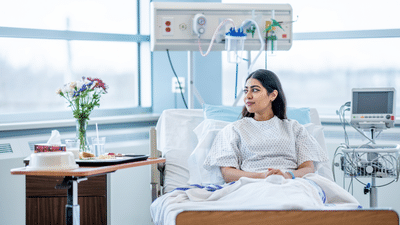

What Happens to Your Body Immediately After Egg Retrieval?
Immediately after the procedure, the ovaries stay enlarged from stimulation medications and take some time to return to their normal size. You may feel groggy from anaesthesia and have slight aches or cramps in your abdomen.
A little bloating is to be expected due to fluid shifting in the abdomen. Light spotting from the vagina is possible, as the needle during the procedure has passed through the wall of the vagina. These signs and symptoms typically disappear in 24 to 48 hours.
Why Hormone Recovery Takes TimeEgg retrieval happens after a couple of days of injections of hormones that grow numerous follicles. When the medicines stop, your body must rebalance its hormone levels.
Hormone Changes Following RetrievalHigh oestrogen levels begin to drop. Whereas progesterone may go up, especially if you are preparing for embryo transfer, these changes can bring fatigue, mood swings, breast tenderness, or headaches.
How Long Hormonal Changes LastMost people find that their hormone levels align within a week to two weeks. It's common to feel more emotionally sensitive during this period, and it doesn't mean something is wrong.
What Are the Physical Symptoms of Recovery?Your recovery will be unique to you, but some symptoms are common.
Abdominal Bloating and DiscomfortBloating is due to punctured ovaries that may still contain fluid. This should settle within five to seven days.
Mild Pain or PressureA sensation of aching in the lower abdomen is normal. Pain should settle with rest and over-the-counter pain relief as advised by your doctor.
Urinary or Bowel ChangesChanges in hormone levels and bloating may alter bowel or bladder habits. These should settle within a few days.
How Long Does It Take for Ovaries to Heal?The ovaries will be enlarged for a few days after the egg retrieval procedure.
Most ovaries will return to their normal size within 7 to 14 days. During this time, strenuous activity is avoided to minimise the risk of ovarian torsion, a rare but serious complication. Gentle walking is generally safe and helps with circulation.
What is the Role of Rest in the Recovery Process?Resting enables your body to shift its focus from other activities to the healing process. During the first 48 hours, you might experience extreme fatigue.
Sleeping well helps your body heal and balances your hormones. Taking short naps, cutting down on screen time, and eating light meals can support your body's recovery.
When Can You Go Back to Your Daily Routine?You can resume your light daily activities in two to three days. But you should not indulge in heavy lifting, strenuous exercise, or sexual activity for at least a week or until your doctor says it is safe to do so. Your ovaries are still sensitive at this point.
It is crucial to listen to your body. You do not have to rush the recovery process.
How Does the Body Cope with Fluid Shifts After Retrieval?Fluid shifts may occur temporarily in the body due to egg retrieval, especially if you have a large number of eggs retrieved. Drinking plenty of fluids will help your body compensate for the fluid shifts. Electrolyte fluids may be advised.
What Kind of Emotional Changes Can You Expect After Egg Retrieval?Recovery is not only physical.
Emotional Sensitivity and Mood ChangesThe changes in hormones, along with the emotional burden of fertility treatment, may cause mood changes, anxiety, or emotional burnout.
Processing the ExperienceYou may feel relieved that the procedure is over, concerned about the outcome, or emotionally numb. All of these feelings are normal. Open communication with your partner or a trusted person can help alleviate emotional stress.
How Can Nutrition Help in Recovery?What you eat during recovery is important. Protein-rich foods will help in healing. Fibre will help prevent constipation caused by reduced mobility or medication. Iron-rich foods may be beneficial if you experience spotting. Avoiding very salty or processed foods can help alleviate bloating.
When to Call Your DoctorWhile the symptoms of recovery are generally not severe, some symptoms are serious enough to call your doctor.
You should call your doctor if you notice:
Recovery Factors for Embryo TransferIf you are undergoing a fresh embryo transfer, your recovery may coincide with uterine preparation. You may need to take progesterone, which will increase fatigue and bloating. You may also experience emotional stress due to anticipation. If you are undergoing a freeze-all cycle, you may experience a longer rest period.
What Can You Do to Support Recovery at Home? Physical CareLoose-fitting clothes should be worn, and the abdomen should not be pressed. Medication should be taken as directed.
Emotional CarePermit yourself to rest mentally. Fertility treatment can be emotionally intense, and recovery also involves emotional healing. The partner's support during this stage is very important for reducing stress.
What to Do NextHere's what you can do next:
The recovery process after the egg retrieval procedure is a progressive one that involves physical recovery, hormonal changes, and emotional adjustments. Although some pain and fatigue may be experienced, most symptoms will resolve within 1 to 2 weeks. Knowledge of the body's reactions will allow the patient to react in a supportive and understanding manner. With proper rest, healthy eating, and support, the body is ready to heal and prepare for the next phase of treatment.
What Happens to Your Body Immediately After Egg Retrieval?
Immediately after the procedure, the ovaries stay enlarged from stimulation medications and take some time to return to their normal size. You may feel groggy from anaesthesia and have slight aches or cramps in your abdomen.
A little bloating is to be expected due to fluid shifting in the abdomen. Light spotting from the vagina is possible, as the needle during the procedure has passed through the wall of the vagina. These signs and symptoms typically disappear in 24 to 48 hours.
Why Hormone Recovery Takes TimeEgg retrieval happens after a couple of days of injections of hormones that grow numerous follicles. When the medicines stop, your body must rebalance its hormone levels.
Hormone Changes Following RetrievalHigh oestrogen levels begin to drop. Whereas progesterone may go up, especially if you are preparing for embryo transfer, these changes can bring fatigue, mood swings, breast tenderness, or headaches.
How Long Hormonal Changes LastMost people find that their hormone levels align within a week to two weeks. It's common to feel more emotionally sensitive during this period, and it doesn't mean something is wrong.
What Are the Physical Symptoms of Recovery?Your recovery will be unique to you, but some symptoms are common.
Abdominal Bloating and DiscomfortBloating is due to punctured ovaries that may still contain fluid. This should settle within five to seven days.
Mild Pain or PressureA sensation of aching in the lower abdomen is normal. Pain should settle with rest and over-the-counter pain relief as advised by your doctor.
Urinary or Bowel ChangesChanges in hormone levels and bloating may alter bowel or bladder habits. These should settle within a few days.
How Long Does It Take for Ovaries to Heal?The ovaries will be enlarged for a few days after the egg retrieval procedure.
Most ovaries will return to their normal size within 7 to 14 days. During this time, strenuous activity is avoided to minimise the risk of ovarian torsion, a rare but serious complication. Gentle walking is generally safe and helps with circulation.
What is the Role of Rest in the Recovery Process?Resting enables your body to shift its focus from other activities to the healing process. During the first 48 hours, you might experience extreme fatigue.
Sleeping well helps your body heal and balances your hormones. Taking short naps, cutting down on screen time, and eating light meals can support your body's recovery.
When Can You Go Back to Your Daily Routine?You can resume your light daily activities in two to three days. But you should not indulge in heavy lifting, strenuous exercise, or sexual activity for at least a week or until your doctor says it is safe to do so. Your ovaries are still sensitive at this point.
It is crucial to listen to your body. You do not have to rush the recovery process.
How Does the Body Cope with Fluid Shifts After Retrieval?Fluid shifts may occur temporarily in the body due to egg retrieval, especially if you have a large number of eggs retrieved. Drinking plenty of fluids will help your body compensate for the fluid shifts. Electrolyte fluids may be advised.
What Kind of Emotional Changes Can You Expect After Egg Retrieval?Recovery is not only physical.
Emotional Sensitivity and Mood ChangesThe changes in hormones, along with the emotional burden of fertility treatment, may cause mood changes, anxiety, or emotional burnout.
Processing the ExperienceYou may feel relieved that the procedure is over, concerned about the outcome, or emotionally numb. All of these feelings are normal. Open communication with your partner or a trusted person can help alleviate emotional stress.
How Can Nutrition Help in Recovery?What you eat during recovery is important. Protein-rich foods will help in healing. Fibre will help prevent constipation caused by reduced mobility or medication. Iron-rich foods may be beneficial if you experience spotting. Avoiding very salty or processed foods can help alleviate bloating.
When to Call Your DoctorWhile the symptoms of recovery are generally not severe, some symptoms are serious enough to call your doctor.
You should call your doctor if you notice:
- Increasing abdominal pain
- Sudden weight gain of more than two kilograms in twenty-four hours
- Shortness of breath
- Vomiting
- Fever or pus discharge
Recovery Factors for Embryo TransferIf you are undergoing a fresh embryo transfer, your recovery may coincide with uterine preparation. You may need to take progesterone, which will increase fatigue and bloating. You may also experience emotional stress due to anticipation. If you are undergoing a freeze-all cycle, you may experience a longer rest period.
What Can You Do to Support Recovery at Home? Physical CareLoose-fitting clothes should be worn, and the abdomen should not be pressed. Medication should be taken as directed.
Emotional CarePermit yourself to rest mentally. Fertility treatment can be emotionally intense, and recovery also involves emotional healing. The partner's support during this stage is very important for reducing stress.
What to Do NextHere's what you can do next:
- Rest for a minimum of forty-eight hours
- Hydrate and eat healthy meals
- Avoid strenuous activity
- Track levels of bloating and pain
- Follow medication instructions to the letter
- Discuss emotional concerns with your support system
- If any warning signs occur, contact your physician
The recovery process after the egg retrieval procedure is a progressive one that involves physical recovery, hormonal changes, and emotional adjustments. Although some pain and fatigue may be experienced, most symptoms will resolve within 1 to 2 weeks. Knowledge of the body's reactions will allow the patient to react in a supportive and understanding manner. With proper rest, healthy eating, and support, the body is ready to heal and prepare for the next phase of treatment.
Next Story