
Hydrating Toner vs Exfoliating Toner: Key Differences, Benefits and How to Choose

Toners have become a popular part of modern skincare routines, but choosing the right one can be confusing. While some toners help replenish moisture and keep the skin feeling comfortable, others use active ingredients to remove dead skin cells and improve skin texture. Hydrating toners and exfoliating toners may look similar, but they serve different purposes. Understanding the difference between a hydrating toner and an exfoliating toner can help you choose products that suit your skin type and concerns. From recognising key ingredients to learning how often to use each formula, a few simple guidelines can make your skincare routine more effective.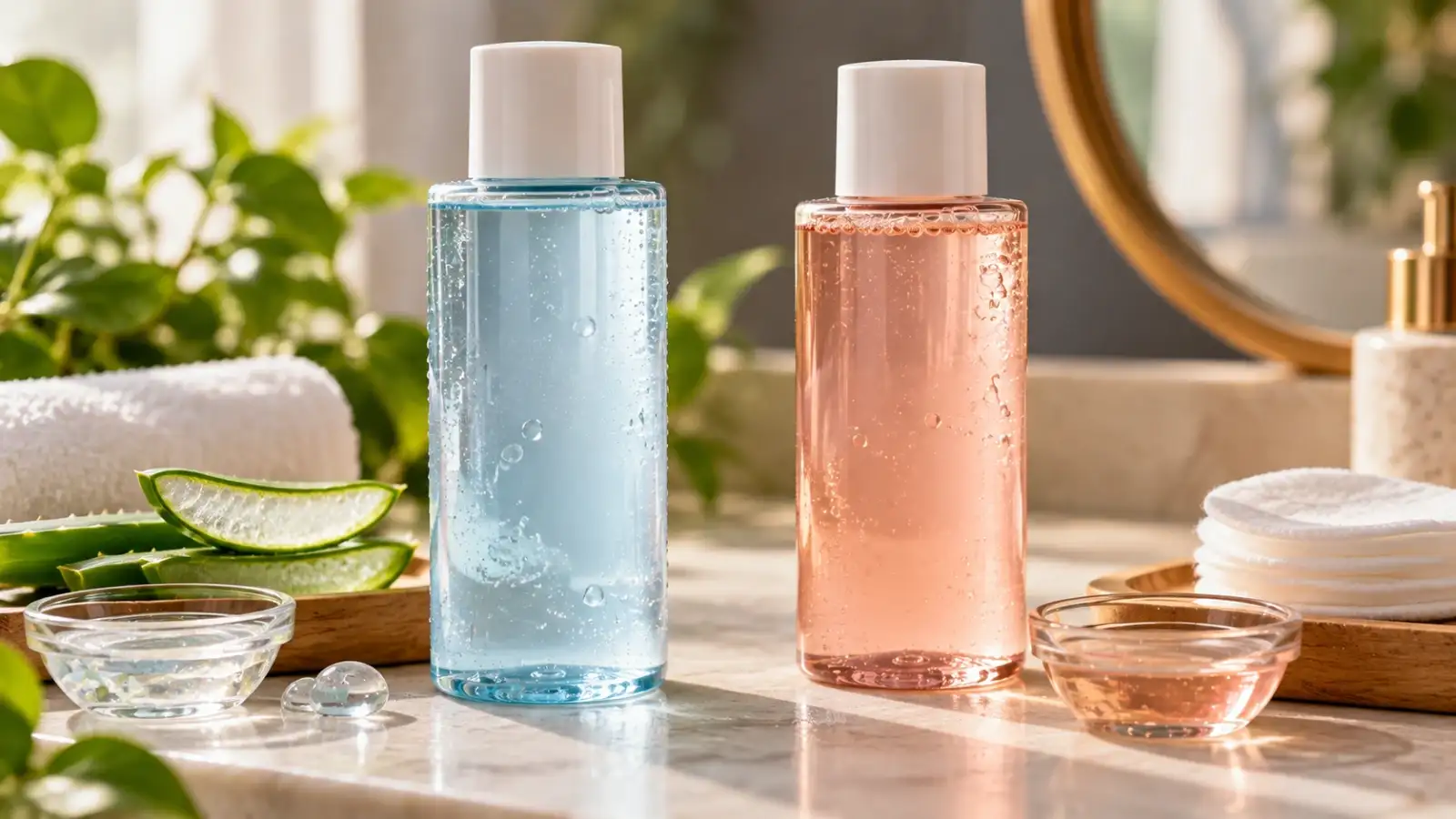
These toners usually contain humectants, ingredients that attract and help retain water in the outer layers of the skin. Some formulas also include soothing and barrier-supporting ingredients.
They are particularly useful when the skin feels tight after washing, looks temporarily dull or needs an additional layer of lightweight hydration. However, a hydrating toner does not replace a moisturiser, which helps reduce moisture loss and supports the skin barrier.
Many exfoliating toners use chemical exfoliants, including alpha hydroxy acids (AHAs), beta hydroxy acids (BHAs) or polyhydroxy acids (PHAs). These ingredients work differently depending on their type and formulation.
However, stronger formulas are not automatically better. Excessive exfoliation can cause redness, dryness, peeling, stinging and increased sensitivity. The correct product and frequency depend on your skin's condition and the other active ingredients in your routine.
The most important difference is that hydrating toners focus on moisture, while exfoliating toners focus on skin-cell buildup and texture. Some products combine both functions, so checking the ingredient list is more useful than relying on the product name alone.
If your skin is already flaky, tight or irritated, avoid introducing strong exfoliating acids until it feels comfortable again.
Choose non-comedogenic products where appropriate, and avoid using several strong acne treatments together without guidance.
Exfoliating acids can irritate sensitive skin, especially when used too frequently. If you want to try an exfoliating toner, choose a suitable low-strength formula, introduce it cautiously and stop if persistent redness or burning develops.
There is no need to treat every part of your face in the same way. Start with a simple routine and adjust according to how your skin responds.
If you want to use both, a straightforward approach is to apply the exfoliating toner according to its instructions, followed by a gentle hydrating product and moisturiser if your skin tolerates the combination.
You can also use them on separate days. This may be a more suitable approach if you are new to exfoliating acids or have skin that becomes dry easily.
Avoid combining multiple exfoliating products or introducing strong acids alongside retinoids and other potentially irritating treatments without considering the overall routine. If you experience persistent stinging, redness, peeling or tightness, stop the exfoliating product and simplify your skincare routine.
Exfoliating toners require more care. Start with the frequency recommended on the product label. If the formula allows gradual introduction, using it once or twice a week may be a reasonable starting point for some people. Increase frequency only if your skin tolerates it and the instructions permit.
Use sunscreen during the day, especially when your routine includes exfoliating acids. Some exfoliating ingredients can increase sensitivity to sunlight, and sun protection helps protect the skin from UV damage.
Remember that you do not need a toner to have an effective skincare routine. A gentle cleanser, moisturiser and broad-spectrum sunscreen are more fundamental steps.
The difference between a hydrating toner and an exfoliating toner comes down to their purpose. Hydrating toners help improve moisture and skin comfort, while exfoliating toners help remove dead skin cell buildup and improve the appearance of uneven texture and clogged pores.
If your skin feels dry or tight, a hydrating toner may be the better starting point. If roughness or congestion is your main concern, an exfoliating toner may be worth considering, provided your skin can tolerate it.
Choose products based on their ingredients, introduce new actives gradually and pay attention to how your skin responds. A simple, consistent skincare routine is often more useful than using several products without a clear purpose.
What Is a Hydrating Toner?
A hydrating toner is a lightweight skincare product designed to add moisture to the skin after cleansing. Its primary purpose is to reduce the feeling of dryness and tightness while leaving the skin soft, comfortable and refreshed.These toners usually contain humectants, ingredients that attract and help retain water in the outer layers of the skin. Some formulas also include soothing and barrier-supporting ingredients.
Common Ingredients in Hydrating Toners
- Hyaluronic acid: Helps attract and retain moisture, making the skin appear plumper.
- Glycerin: Draws water into the outer skin layer and helps improve softness.
- Panthenol: Also known as vitamin B5, it helps support skin hydration and comfort.
- Aloe vera: Commonly used in skincare formulas for its soothing properties.
- Centella asiatica: An ingredient often included in products designed for sensitive or easily irritated skin.
Benefits of Hydrating Toners
Hydrating toners can help reduce the uncomfortable feeling associated with dehydrated skin. They may also make the skin feel smoother and prepare it for moisturiser and other skincare products.They are particularly useful when the skin feels tight after washing, looks temporarily dull or needs an additional layer of lightweight hydration. However, a hydrating toner does not replace a moisturiser, which helps reduce moisture loss and supports the skin barrier.
What Is an Exfoliating Toner?
An exfoliating toner is formulated to help remove the buildup of dead skin cells from the skin's surface. Unlike a hydrating toner, which focuses on moisture, an exfoliating toner targets concerns such as rough texture, clogged pores and dull-looking skin.Many exfoliating toners use chemical exfoliants, including alpha hydroxy acids (AHAs), beta hydroxy acids (BHAs) or polyhydroxy acids (PHAs). These ingredients work differently depending on their type and formulation.
Common Ingredients in Exfoliating Toners
- Glycolic acid: An AHA commonly used to improve the appearance of uneven skin texture.
- Lactic acid: An AHA that helps exfoliate the skin and may also provide some humectant benefits.
- Salicylic acid: A BHA that can penetrate oily pore contents and help address clogged pores.
- Mandelic acid: An AHA often used in formulations intended for gradual exfoliation.
- Gluconolactone: A PHA used in some exfoliating products and generally considered a milder option, although irritation is still possible.
Benefits of Exfoliating Toners
When used appropriately, exfoliating toners can help smooth rough skin, improve the appearance of dullness and reduce the buildup that contributes to clogged pores. Depending on the active ingredient and formulation, they may also help improve the appearance of uneven skin tone.However, stronger formulas are not automatically better. Excessive exfoliation can cause redness, dryness, peeling, stinging and increased sensitivity. The correct product and frequency depend on your skin's condition and the other active ingredients in your routine.
Hydrating Toner vs Exfoliating Toner : Key Differences
Although both products are applied after cleansing, their main functions and ingredients differ.| Feature | Hydrating Toner | Exfoliating Toner |
| Main purpose | Adds lightweight hydration | Removes dead skin cell buildup |
| Common ingredients | Glycerin, hyaluronic acid, panthenol | Glycolic acid, lactic acid, salicylic acid |
| Main skin concerns | Dryness, dehydration and tightness | Rough texture, dullness and clogged pores |
| Suitable skin types | Most skin types, depending on the formula | Depends on the active ingredient and skin tolerance |
| Typical frequency | Often daily, according to product directions | Usually introduced gradually, according to product directions |
| Main risk | Irritation from unsuitable ingredients | Over-exfoliation, dryness and irritation |
Which Toner Is Better for Your Skin Type?
The right toner depends on what your skin needs rather than which product is more popular.For Dry Skin
A hydrating toner containing glycerin, hyaluronic acid or panthenol may be the more suitable starting point. Follow it with a moisturiser to help reduce moisture loss.If your skin is already flaky, tight or irritated, avoid introducing strong exfoliating acids until it feels comfortable again.
For Oily and Acne-Prone Skin
An exfoliating toner containing salicylic acid may help with clogged pores and excess buildup. However, oily skin can still become dehydrated, so a lightweight hydrating toner may also be useful.Choose non-comedogenic products where appropriate, and avoid using several strong acne treatments together without guidance.
For Sensitive Skin
A gentle, fragrance-free hydrating toner may be a better option, particularly if your skin frequently feels uncomfortable after cleansing.Exfoliating acids can irritate sensitive skin, especially when used too frequently. If you want to try an exfoliating toner, choose a suitable low-strength formula, introduce it cautiously and stop if persistent redness or burning develops.
For Combination Skin
Combination skin may benefit from different approaches in different areas. A hydrating toner can provide moisture across the face, while an appropriate exfoliating product may help address congestion in oilier areas.There is no need to treat every part of your face in the same way. Start with a simple routine and adjust according to how your skin responds.
Can You Use Hydrating and Exfoliating Toners Together?
Yes, some people can use both in the same skincare routine, but it is not essential. The priority should be avoiding irritation rather than adding more products.If you want to use both, a straightforward approach is to apply the exfoliating toner according to its instructions, followed by a gentle hydrating product and moisturiser if your skin tolerates the combination.
You can also use them on separate days. This may be a more suitable approach if you are new to exfoliating acids or have skin that becomes dry easily.
Avoid combining multiple exfoliating products or introducing strong acids alongside retinoids and other potentially irritating treatments without considering the overall routine. If you experience persistent stinging, redness, peeling or tightness, stop the exfoliating product and simplify your skincare routine.
You may also like
- Pandavara Batti: The leaves of this plant can burn like cotton in a lamp and give off a camphor like aroma
- DAY 6 KATYAYANI: The Five Questions Anger Must Answer
- Danish parents raise their children to be extremely confident by doing this: 3 habits to try
- From the Ramayana to the runway: How Two Até is giving the traditional Indian paduka a maximalist makeover
- A little girl fell into an open drain in Panipat: The CCTV-captured rescue is a reminder to parents during rains, flooded drains, potholes and road openings can hide dangers children may not see
How Often Should You Use Each Toner?
Hydrating toners can often be used daily, provided the formula suits your skin and does not cause irritation. Apply the product after cleansing and follow with a moisturiser.Exfoliating toners require more care. Start with the frequency recommended on the product label. If the formula allows gradual introduction, using it once or twice a week may be a reasonable starting point for some people. Increase frequency only if your skin tolerates it and the instructions permit.
Use sunscreen during the day, especially when your routine includes exfoliating acids. Some exfoliating ingredients can increase sensitivity to sunlight, and sun protection helps protect the skin from UV damage.
Remember that you do not need a toner to have an effective skincare routine. A gentle cleanser, moisturiser and broad-spectrum sunscreen are more fundamental steps.
The difference between a hydrating toner and an exfoliating toner comes down to their purpose. Hydrating toners help improve moisture and skin comfort, while exfoliating toners help remove dead skin cell buildup and improve the appearance of uneven texture and clogged pores.
If your skin feels dry or tight, a hydrating toner may be the better starting point. If roughness or congestion is your main concern, an exfoliating toner may be worth considering, provided your skin can tolerate it.
Choose products based on their ingredients, introduce new actives gradually and pay attention to how your skin responds. A simple, consistent skincare routine is often more useful than using several products without a clear purpose.






Loving Newspoint? Download the app now
