
Animals That Can Live at Extremely High Altitudes and How They Survive

Towering mountain ranges such as the Himalayas and the Andes are among the harshest environments on Earth. Temperatures frequently fall below freezing, fierce winds sweep across rocky slopes, and oxygen levels are far lower than at sea level. Yet despite these extreme conditions, a surprising variety of animals have made these lofty landscapes their home. From sure-footed mammals and soaring birds to hardy insects, high-altitude species have evolved extraordinary adaptations that allow them to survive where most animals would struggle. Their ability to thrive in thin air and freezing weather offers a remarkable glimpse into the resilience of life and continues to inspire scientists studying biology, medicine and climate change.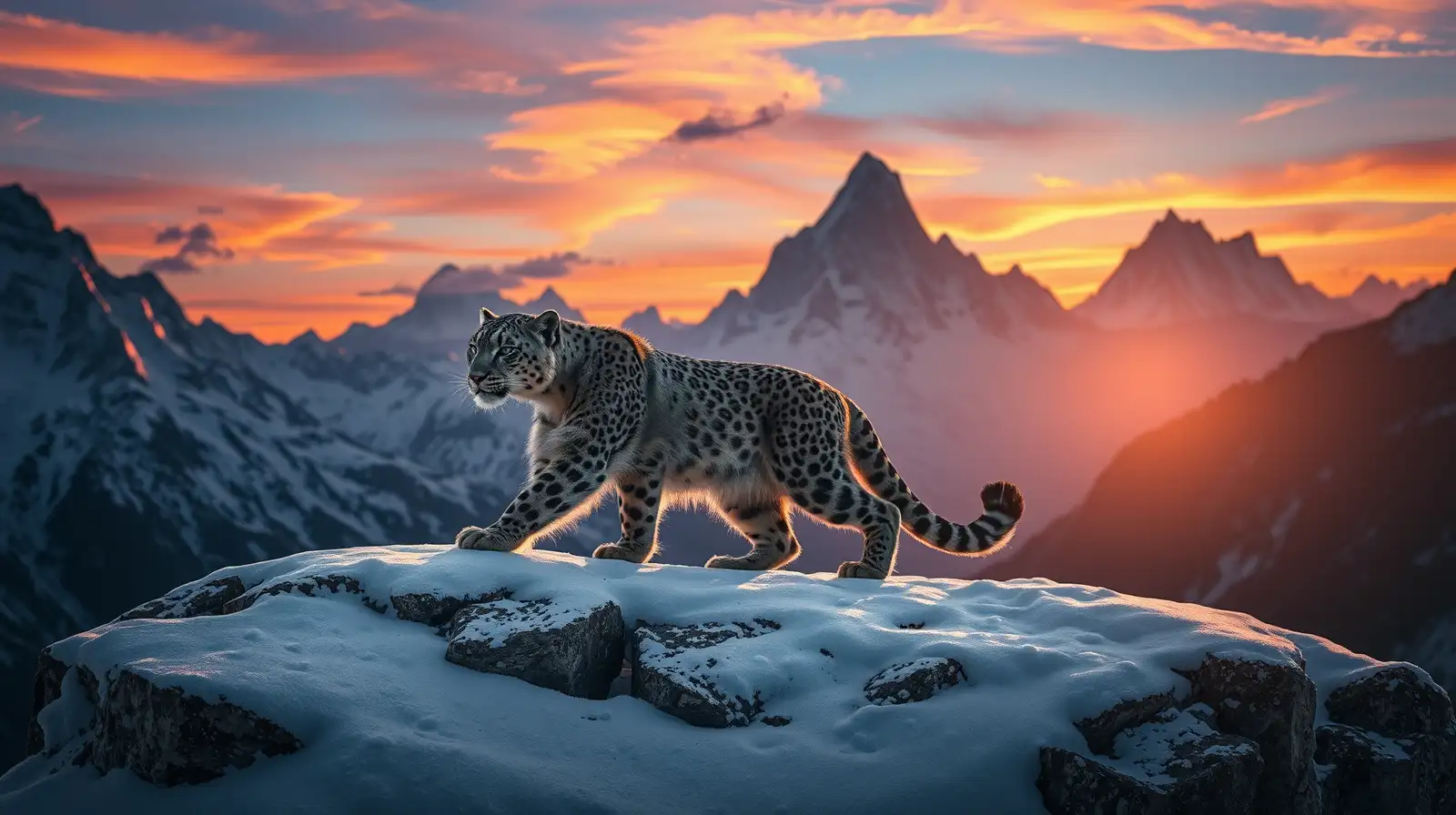
To survive, many have evolved larger lungs, more efficient hearts and blood capable of carrying oxygen more effectively. These adaptations ensure their muscles and organs receive enough oxygen even when the atmosphere is much less dense.
Such specialised features have developed over thousands of generations through natural selection.
Their thick fur provides insulation against freezing temperatures, while broad, furry paws act like natural snowshoes, helping them walk across deep snow without sinking.
Long tails serve multiple purposes. They help maintain balance while climbing steep cliffs and can also be wrapped around the face during rest for extra warmth.
Snow leopards are capable of living at elevations exceeding 5,000 metres, where prey is scarce and conditions remain harsh throughout much of the year.
Mountain goats and ibex possess powerful legs and specially adapted hooves with rough, rubber-like pads that provide excellent grip on steep rocky cliffs. This allows them to escape predators by climbing terrain that few other animals can navigate.
These physical adaptations make them among the most agile climbers in the animal kingdom.
Its lungs and muscles are exceptionally efficient at extracting oxygen from thin air. Unlike many other birds, it can maintain powerful flight even where oxygen levels are less than half those at sea level.
The Andean condor also spends much of its life soaring high above mountain valleys, using rising air currents to glide effortlessly while searching for food.
Certain insects have also adapted to freezing temperatures by producing natural compounds that prevent ice crystals from forming inside their bodies.
Even tiny spiders have been found living at elevations where vegetation is scarce, feeding on insects carried upwards by strong mountain winds.
These smaller species play an important role in maintaining fragile alpine ecosystems.
However, many mountain species now face growing threats from climate change. Rising temperatures are altering habitats, reducing snow cover and forcing wildlife to move even higher in search of suitable conditions.
Protecting mountain ecosystems has therefore become increasingly important for biodiversity and scientific research alike.
Life in Thin Air Is a Constant Challenge
As altitude increases, the air becomes thinner and contains less oxygen. For humans, this often leads to altitude sickness, fatigue and shortness of breath. Animals that live permanently at high elevations face these conditions every day.To survive, many have evolved larger lungs, more efficient hearts and blood capable of carrying oxygen more effectively. These adaptations ensure their muscles and organs receive enough oxygen even when the atmosphere is much less dense.
Such specialised features have developed over thousands of generations through natural selection.
Snow Leopards Rule the High Mountains
Among the most iconic high-altitude mammals is the snow leopard. Found across the mountains of Central and South Asia, these elusive cats are perfectly adapted to rugged alpine terrain.Their thick fur provides insulation against freezing temperatures, while broad, furry paws act like natural snowshoes, helping them walk across deep snow without sinking.
Long tails serve multiple purposes. They help maintain balance while climbing steep cliffs and can also be wrapped around the face during rest for extra warmth.
Snow leopards are capable of living at elevations exceeding 5,000 metres, where prey is scarce and conditions remain harsh throughout much of the year.
Yaks and Mountain Goats Master the Heights
Wild yaks thrive on the Tibetan Plateau, one of the highest inhabited regions on Earth. Their massive lungs and hearts allow them to absorb oxygen efficiently, while dense coats protect them from icy winds.Mountain goats and ibex possess powerful legs and specially adapted hooves with rough, rubber-like pads that provide excellent grip on steep rocky cliffs. This allows them to escape predators by climbing terrain that few other animals can navigate.
These physical adaptations make them among the most agile climbers in the animal kingdom.
Birds Fly Higher Than We Ever Imagined
Some birds reach astonishing altitudes during migration. The bar-headed goose is particularly famous for flying over the Himalayas, often exceeding 7,000 metres and occasionally reaching heights close to the summit of Mount Everest.Its lungs and muscles are exceptionally efficient at extracting oxygen from thin air. Unlike many other birds, it can maintain powerful flight even where oxygen levels are less than half those at sea level.
The Andean condor also spends much of its life soaring high above mountain valleys, using rising air currents to glide effortlessly while searching for food.
You may also like
- 7 Mistakes to Avoid Before Laser Hair Removal
- Kate Middleton brings back the timeless gingham dress and it's the easiest summer trend to copy
- 20 Amazing Benefits of Steam for Skin and Hair
- 10 Home Remedies to Treat Pimples on the Nose
- Rare monsoon twist: Goa and parts of the Western Ghats see lighter rain as East India gets drenched, what travellers need to know
Smaller Creatures Also Defy the Odds
High-altitude survival is not limited to large animals. Pikas, small relatives of rabbits, gather grasses during summer and store them beneath rocks to survive long mountain winters.Certain insects have also adapted to freezing temperatures by producing natural compounds that prevent ice crystals from forming inside their bodies.
Even tiny spiders have been found living at elevations where vegetation is scarce, feeding on insects carried upwards by strong mountain winds.
These smaller species play an important role in maintaining fragile alpine ecosystems.
Why High-Altitude Animals Matter Today
Studying animals that live at extremely high altitudes provides valuable insights into how living organisms adapt to low oxygen environments. This research has influenced medical studies into heart disease, lung disorders and altitude sickness.However, many mountain species now face growing threats from climate change. Rising temperatures are altering habitats, reducing snow cover and forcing wildlife to move even higher in search of suitable conditions.
Protecting mountain ecosystems has therefore become increasingly important for biodiversity and scientific research alike.






Loving Newspoint? Download the app now
