
Interesting Facts About Volcanoes That May Surprise You

Volcanoes are among Earth's most powerful natural features. They have shaped continents, created islands, influenced climate, and fascinated people for thousands of years. While volcanic eruptions can be destructive, they also play an essential role in building new land and supporting ecosystems. Here are some incredible facts about volcanoes that reveal just how remarkable these geological wonders are.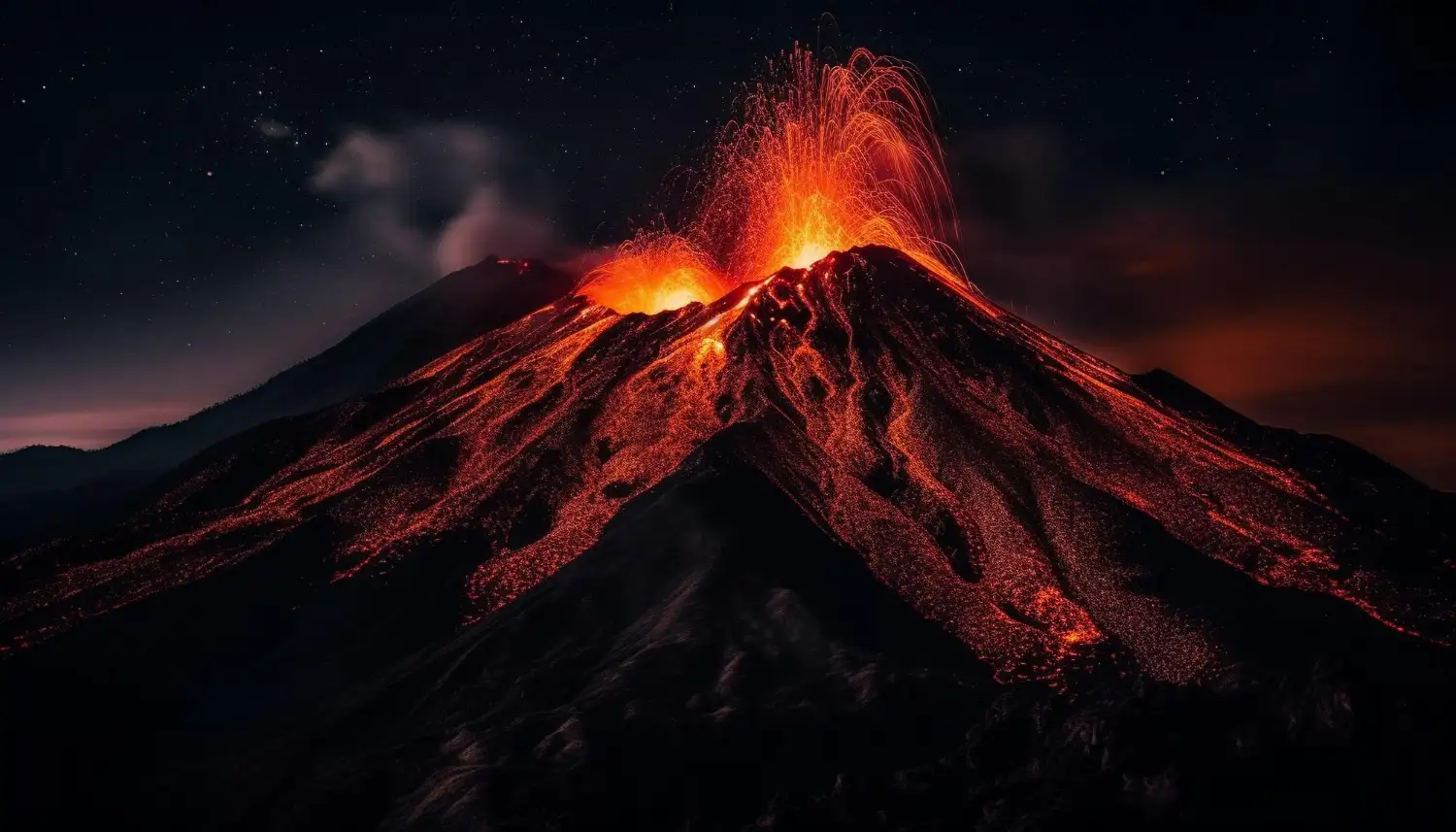
Volcanoes Are Openings in Earth's Crust
A volcano is an opening in Earth's crust through which molten rock, known as magma, along with gases and ash, reaches the surface. Once magma erupts, it is called lava. Over time, repeated eruptions can build mountains, plateaus, and even entirely new islands.
Most Volcanoes Are Found Along Plate Boundaries
The majority of the world's active volcanoes are located where Earth's tectonic plates meet. One of the best-known volcanic regions is the Pacific Ring of Fire, a horseshoe-shaped zone surrounding much of the Pacific Ocean. It contains around 75% of the world's active volcanoes.
There Are More Volcanoes Underwater Than on Land
Most of Earth's volcanic activity takes place beneath the oceans. Thousands of underwater volcanoes lie along the global mid-ocean ridge system, where tectonic plates slowly move apart. These submarine volcanoes continuously create new oceanic crust.
Volcanoes Can Create New Land
Some volcanic eruptions build new islands when lava accumulates above sea level. This process has formed many islands across the world, including parts of Hawaii, which continue to grow through volcanic activity over long geological timescales.
Not Every Volcano Erupts Explosively
Volcanic eruptions vary greatly. Some volcanoes produce gentle lava flows that move steadily across the landscape, while others generate powerful explosions that send ash, gas, and volcanic rocks high into the atmosphere. The style of an eruption depends largely on the magma's composition and gas content.
Lava Is Extremely Hot
Fresh lava typically ranges from about 700°C to 1,200°C (1,300°F to 2,200°F). Despite its intense heat, lava often flows slowly enough in some eruptions for people to move away safely, although its speed and behavior vary depending on the type of eruption and terrain.
Volcanic Ash Is Not Like Fireplace Ash
Volcanic ash is made of tiny fragments of rock, minerals, and volcanic glass. Unlike the soft ash produced by burning wood, volcanic ash is abrasive and can damage machinery, affect air quality, reduce visibility, and disrupt air travel.
Supervolcanoes Can Produce Massive Eruptions
A supervolcano is capable of producing an exceptionally large eruption, ejecting more than 1,000 cubic kilometres of material. Such eruptions are extremely rare but can have widespread environmental effects. Fortunately, no supervolcano is expected to erupt in the immediate future based on current scientific monitoring.
Volcanoes Are Openings in Earth's Crust
A volcano is an opening in Earth's crust through which molten rock, known as magma, along with gases and ash, reaches the surface. Once magma erupts, it is called lava. Over time, repeated eruptions can build mountains, plateaus, and even entirely new islands. Most Volcanoes Are Found Along Plate Boundaries
The majority of the world's active volcanoes are located where Earth's tectonic plates meet. One of the best-known volcanic regions is the Pacific Ring of Fire, a horseshoe-shaped zone surrounding much of the Pacific Ocean. It contains around 75% of the world's active volcanoes.There Are More Volcanoes Underwater Than on Land
Most of Earth's volcanic activity takes place beneath the oceans. Thousands of underwater volcanoes lie along the global mid-ocean ridge system, where tectonic plates slowly move apart. These submarine volcanoes continuously create new oceanic crust. Volcanoes Can Create New Land
Some volcanic eruptions build new islands when lava accumulates above sea level. This process has formed many islands across the world, including parts of Hawaii, which continue to grow through volcanic activity over long geological timescales.Not Every Volcano Erupts Explosively
Volcanic eruptions vary greatly. Some volcanoes produce gentle lava flows that move steadily across the landscape, while others generate powerful explosions that send ash, gas, and volcanic rocks high into the atmosphere. The style of an eruption depends largely on the magma's composition and gas content. Lava Is Extremely Hot
Fresh lava typically ranges from about 700°C to 1,200°C (1,300°F to 2,200°F). Despite its intense heat, lava often flows slowly enough in some eruptions for people to move away safely, although its speed and behavior vary depending on the type of eruption and terrain. Volcanic Ash Is Not Like Fireplace Ash
Volcanic ash is made of tiny fragments of rock, minerals, and volcanic glass. Unlike the soft ash produced by burning wood, volcanic ash is abrasive and can damage machinery, affect air quality, reduce visibility, and disrupt air travel. Supervolcanoes Can Produce Massive Eruptions
A supervolcano is capable of producing an exceptionally large eruption, ejecting more than 1,000 cubic kilometres of material. Such eruptions are extremely rare but can have widespread environmental effects. Fortunately, no supervolcano is expected to erupt in the immediate future based on current scientific monitoring.Next Story