
Butterflies That Migrate Across Continents and Their Incredible Journeys

Every year, millions of butterflies embark on journeys that rival the migrations of birds and whales. Despite their delicate wings and lightweight bodies, these remarkable insects travel hundreds or even thousands of kilometres in search of warmer climates, breeding grounds or fresh food sources. Their migrations span mountains, forests, deserts and even seas, often involving several generations before the journey is complete. Scientists are still uncovering the secrets behind these extraordinary travels, including how butterflies navigate without maps or previous experience. Their incredible endurance challenges our assumptions about insects and highlights one of nature's most fascinating seasonal spectacles.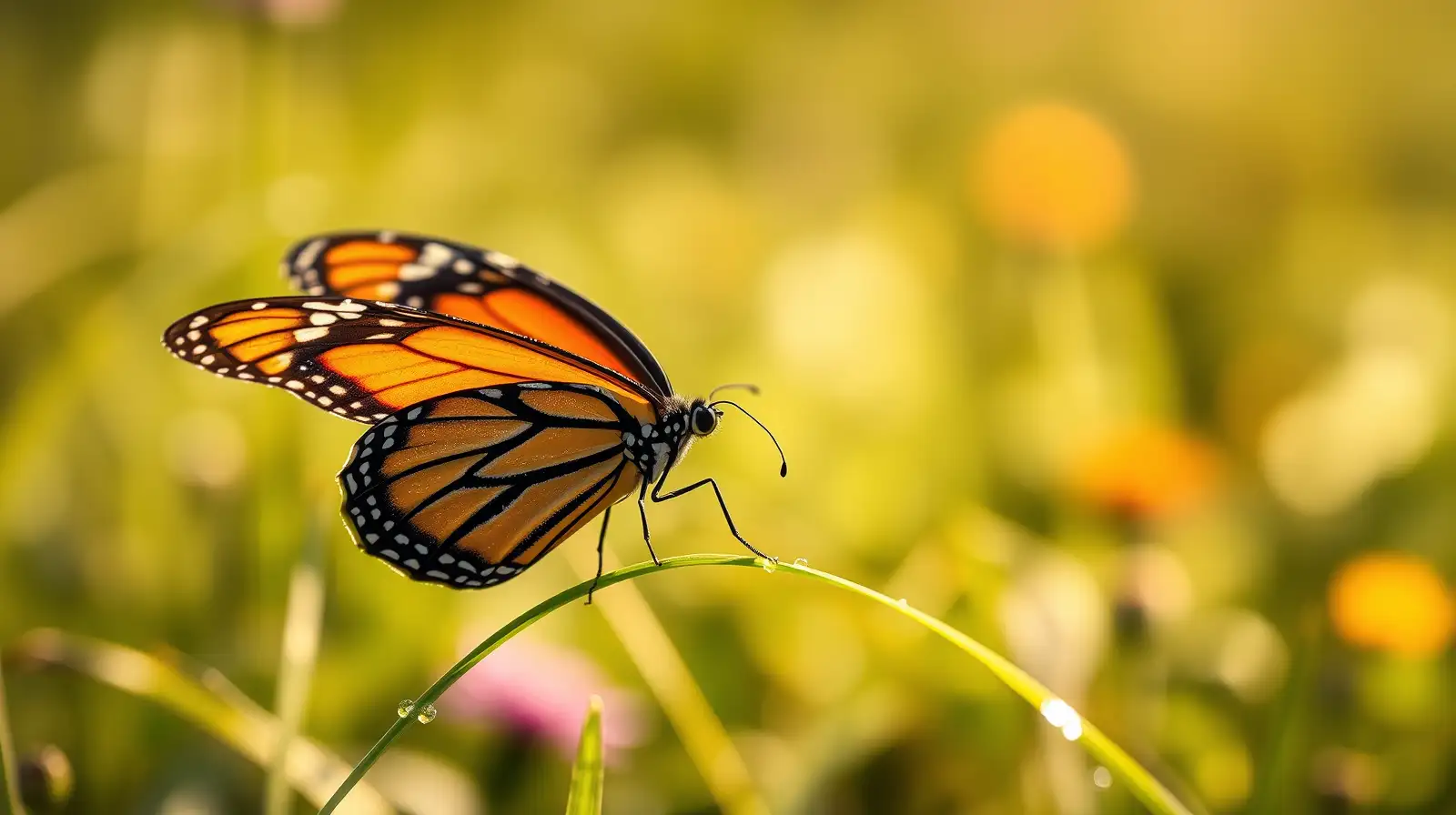
Each autumn, millions leave Canada and the northern United States to spend the winter in the cool mountain forests of central Mexico or along parts of the Californian coast. Remarkably, the butterflies making this journey have never been there before.
The return journey takes several generations. No single butterfly completes the entire annual migration cycle, making this one of the most extraordinary examples of inherited navigation in nature.
The painted lady butterfly is one of the world's most widespread migratory insects. Populations travel between Africa, southern Europe and northern Europe, covering thousands of kilometres over multiple generations. Some complete journeys that rival or even exceed those of monarchs.
In Australia, the blue tiger butterfly migrates seasonally along the eastern coastline, while the cloudless sulphur butterfly regularly moves across parts of North and Central America in response to changing weather and food availability.
Research suggests monarch butterflies use the position of the Sun together with an internal biological clock to maintain direction throughout the day. They may also detect Earth's magnetic field, particularly during cloudy conditions when sunlight is less reliable.
Landmarks such as mountain ranges, coastlines and river valleys may also help guide their remarkable journeys.
Despite decades of study, researchers continue to discover new clues about these tiny navigators.
As temperatures fall, nectar-producing flowers become scarce and host plants needed for laying eggs disappear. By travelling to regions with suitable conditions, butterflies improve their chances of finding food and successfully reproducing.
The timing of migration is equally important. Leaving too early or too late can reduce survival rates, making precise seasonal cues essential for these insects.
Some painted lady butterflies have been recorded crossing the Sahara Desert, demonstrating an endurance once thought impossible for such delicate insects.
Scientists also use tiny identification tags and modern genetic analysis to study migration routes, revealing that many butterfly journeys are even longer and more complex than previously believed.
These discoveries continue to reshape our understanding of insect behaviour.
Conservation efforts now focus on restoring habitats, planting nectar-rich flowers and protecting important overwintering sites. Even small wildlife-friendly gardens can provide valuable feeding stops during migration.
Monitoring butterfly populations also helps scientists understand wider environmental changes, as butterflies are considered important indicators of ecosystem health.
The Monarch Butterfly Leads the Way
No discussion of butterfly migration is complete without the monarch butterfly. Found across North America, monarchs undertake one of the longest insect migrations on Earth, with some travelling more than 4,000 kilometres.Each autumn, millions leave Canada and the northern United States to spend the winter in the cool mountain forests of central Mexico or along parts of the Californian coast. Remarkably, the butterflies making this journey have never been there before.
The return journey takes several generations. No single butterfly completes the entire annual migration cycle, making this one of the most extraordinary examples of inherited navigation in nature.
Not All Migrating Butterflies Are Monarchs
Although monarchs receive most of the attention, several other butterfly species also migrate over impressive distances.The painted lady butterfly is one of the world's most widespread migratory insects. Populations travel between Africa, southern Europe and northern Europe, covering thousands of kilometres over multiple generations. Some complete journeys that rival or even exceed those of monarchs.
In Australia, the blue tiger butterfly migrates seasonally along the eastern coastline, while the cloudless sulphur butterfly regularly moves across parts of North and Central America in response to changing weather and food availability.
How Butterflies Find Their Way
One of the greatest mysteries surrounding butterfly migration is navigation. Scientists believe butterflies combine several natural tools to stay on course.Research suggests monarch butterflies use the position of the Sun together with an internal biological clock to maintain direction throughout the day. They may also detect Earth's magnetic field, particularly during cloudy conditions when sunlight is less reliable.
Landmarks such as mountain ranges, coastlines and river valleys may also help guide their remarkable journeys.
Despite decades of study, researchers continue to discover new clues about these tiny navigators.
Migration Is Driven by Survival
Butterflies do not migrate simply because seasons change. Their movements are closely linked to survival.As temperatures fall, nectar-producing flowers become scarce and host plants needed for laying eggs disappear. By travelling to regions with suitable conditions, butterflies improve their chances of finding food and successfully reproducing.
The timing of migration is equally important. Leaving too early or too late can reduce survival rates, making precise seasonal cues essential for these insects.
You may also like
- 7 Mistakes to Avoid Before Laser Hair Removal
- Kate Middleton brings back the timeless gingham dress and it's the easiest summer trend to copy
- 20 Amazing Benefits of Steam for Skin and Hair
- 10 Home Remedies to Treat Pimples on the Nose
- Rare monsoon twist: Goa and parts of the Western Ghats see lighter rain as East India gets drenched, what travellers need to know
Lesser-Known Facts About Butterfly Migration
Migrating butterflies often take advantage of favourable winds, allowing them to travel much farther while conserving energy.Some painted lady butterflies have been recorded crossing the Sahara Desert, demonstrating an endurance once thought impossible for such delicate insects.
Scientists also use tiny identification tags and modern genetic analysis to study migration routes, revealing that many butterfly journeys are even longer and more complex than previously believed.
These discoveries continue to reshape our understanding of insect behaviour.
Why Butterfly Migration Matters Today
Butterfly migrations are increasingly threatened by habitat loss, pesticide use and climate change. The disappearance of wildflowers and native host plants leaves migrating butterflies with fewer places to feed and reproduce.Conservation efforts now focus on restoring habitats, planting nectar-rich flowers and protecting important overwintering sites. Even small wildlife-friendly gardens can provide valuable feeding stops during migration.
Monitoring butterfly populations also helps scientists understand wider environmental changes, as butterflies are considered important indicators of ecosystem health.






Loving Newspoint? Download the app now
