Nostalgia vs Next-Gen: Why Appu Ghar and EsselWorld Lost Their Magic to Imagicaa and Wonderla

During the late twentieth century, family entertainment in urban India underwent a massive transformation with the launch of the country's first dedicated amusement parks. Appu Ghar in Delhi, opened in 1984 following the success of the Asian Games, and EsselWorld in Mumbai, launched in 1989, instantly became cultural landmarks. For millions of middle-class families, a weekend trip to these parks was the ultimate aspirational getaway. Featuring basic roller coasters, bumper cars, and water slides, these venues provided novelty fun in an era when access to international travel and digital entertainment was extremely limited.
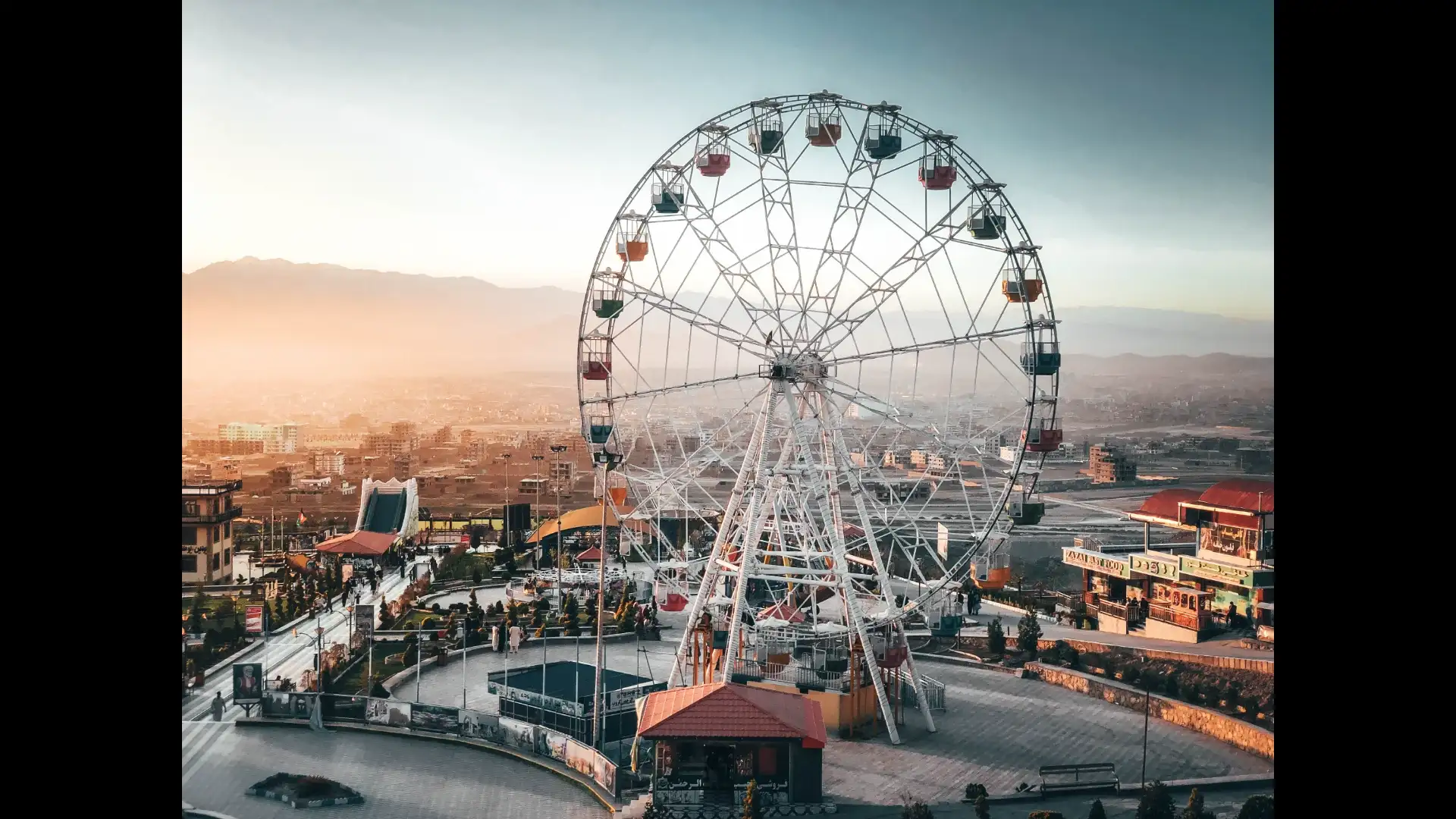
Hero Image


Shifting Consumer Expectations and International Exposure

As India's economy expanded, so did the global exposure of its middle class. Domestic travelers who visited world-class destinations like Disneyland, Universal Studios, or Dubai’s theme parks returned home with elevated standards for safety, immersive storytelling, and ride design. Simple mechanical rides and basic carnival games no longer provided the thrill required to justify a full-day family outing. First-generation parks, constrained by aging infrastructure and limited land expansion opportunities, struggled to keep pace with an audience that rapidly outgrew simple, unthemed entertainment.

The Rise of High-Tech Immersive Destinations

Entering the market to fill this gap, modern operators like Wonderla and Imagicaa completely redefined the theme park experience in India. Rather than offering standalone mechanical rides, these modern destinations invest heavily in themed environments, high-speed imported coasters, multi-sensory dark rides, and world-class safety standards. Wonderla built its reputation on extreme engineering, impeccable hygiene, and high-throughput water facilities, while Imagicaa introduced Hollywood-style narrative storytelling, themed character parades, and integrated luxury resort stays. By transforming a simple day trip into a comprehensive, multi-day vacation experience, modern parks successfully captured the attention and spending power of contemporary consumers.


Economic Pressures and Maintenance Bottlenecks

Operating an amusement park requires massive, continuous capital expenditure. Safety inspections, mechanical overhauls, land acquisition, and ride modernizations demand constant reinvestment. First-generation parks often operated on tight profit margins, leading to deferred maintenance, visible aesthetic wear, and prolonged ride downtime. As these parks aged, public perception shifted from nostalgic excitement to safety concerns. In contrast, modern operators utilize corporate structures, strategic partnerships, and diversified revenue streams, including food, merchandise, and hotel stays, to ensure steady capital for continuous upgrades and safety compliance.

Land Real Estate Challenges in Growing Metros

Location played another decisive role in the decline of early parks. Facilities like Appu Ghar faced complex municipal land lease disputes in central Delhi, eventually leading to its closure. Meanwhile, EsselWorld’s island location in Gorai, while initially novel, presented severe transit bottlenecks as Mumbai’s traffic worsened over the decades. Modern parks anticipated urban sprawl by locating near major inter-city expressways, such as the Mumbai-Pune Expressway for Imagicaa or the outer ring roads near Bengaluru, Hyderabad, and Kochi for Wonderla. This regional accessibility makes them easy road-trip destinations for multi-city catchment areas.


The Future of Experiential Entertainment in India

The decline of Appu Ghar and EsselWorld does not signal a drop in Indian consumer demand for amusement parks; rather, it highlights a maturity in consumer taste. Today's visitors prioritize safety certifications, short queue management, diverse culinary offerings, and instagrammable aesthetic design over raw nostalgia. As virtual reality, immersive projection mapping, and international IP licensing become standard components of global theme parks, Indian operators must continually innovate to retain their audience in an increasingly competitive leisure landscape.