
From Kerala to Andaman: Why These Indian Beaches Glow at Night

India’s coastline stretches for thousands of kilometres, offering not only sun, sand and sea but also some of the most enchanting natural light shows on Earth. Among the most fascinating attractions are bioluminescent beaches in India , where waves glow with a mystical blue-green shimmer after dark. This surreal sight, seen in select coastal regions during specific seasons, is caused by bioluminescence - a natural phenomenon in which microscopic plankton emit light in response to movement in the water.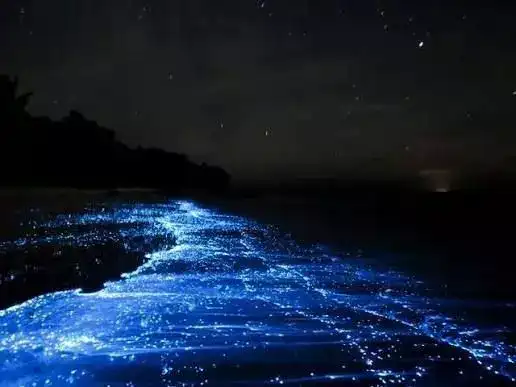
Bioluminescence is produced by marine organisms such as dinoflagellates, tiny single-celled life forms that thrive in nutrient-rich coastal waters. When these organisms are disturbed by waves or human movement, a chemical reaction inside them produces light. The result is a luminous outline along shorelines as waves crash, glowing footprints on wet sand, and shimmering trails that follow boats or swimmers. This otherworldly display has turned India’s glowing beaches into bucket-list destinations for travellers and photographers alike.
One of the most reliable places to witness bioluminescence in India is along the coast of Kerala, particularly in the Kozhikode and Kollam regions. During certain months, often after the monsoon season, visitors can see waves sparkle like stars as they roll onto the shore. Locals and tourists gather after sunset to watch this natural spectacle, mesmerised by the soft glow dancing across the surf.
Another remarkable location is the Andaman Islands, known for their pristine waters and rich marine ecosystems. Andaman bioluminescence is often visible in secluded coves and calm lagoons, where minimal disturbance allows glowing plankton to thrive. On moonless nights, the water appears to light up from within, creating reflections that feel almost unreal. In places such as Havelock Island, boat rides after dusk frequently reveal glowing trails forming behind moving vessels.
On India’s western coast, certain stretches of Gujarat’s beaches are also known to display bioluminescence under favourable conditions. While sightings here are less predictable than at Kerala’s glowing beaches or in the Andamans, they can be especially striking against the backdrop of vast, open shorelines and dark skies.
Timing is key for travellers hoping to witness this natural wonder. Bioluminescence is most visible on moonless nights, when the contrast between darkness and the glowing water is greatest. Late nights and early mornings often offer the best viewing conditions, as the absence of light pollution helps reveal the subtle glow. Many tour operators and local guides can help visitors plan trips around these conditions to maximise the chances of seeing the spectacle.
While bioluminescent beaches are best known for their visual beauty, they also highlight the richness of coastal ecosystems. The presence of glowing plankton indicates healthy water conditions and vibrant marine life. However, environmental changes such as pollution and climate shifts can impact these delicate systems. Conserving coastal waters helps protect not only the spectacle itself but also the broader balance of marine biodiversity.
For travellers seeking a magical beach experience, India’s bioluminescent shores offer a rare blend of tropical beauty and natural wonder. Whether walking along a shimmering coastline, watching waves glow like scattered stars, or simply soaking in the quiet of a dark beach, these glowing beaches in India create memories that last long after the journey ends.
Bioluminescence is produced by marine organisms such as dinoflagellates, tiny single-celled life forms that thrive in nutrient-rich coastal waters. When these organisms are disturbed by waves or human movement, a chemical reaction inside them produces light. The result is a luminous outline along shorelines as waves crash, glowing footprints on wet sand, and shimmering trails that follow boats or swimmers. This otherworldly display has turned India’s glowing beaches into bucket-list destinations for travellers and photographers alike.
One of the most reliable places to witness bioluminescence in India is along the coast of Kerala, particularly in the Kozhikode and Kollam regions. During certain months, often after the monsoon season, visitors can see waves sparkle like stars as they roll onto the shore. Locals and tourists gather after sunset to watch this natural spectacle, mesmerised by the soft glow dancing across the surf.
You may also like
- Word of the day: Bollard
- Makeup brand giving away 1,000s of free driving lessons because their primer is so strong
- Quote of the Day by Confucius, "When you see a worthy person, endeavor to emulate him. When you see an unworthy person, then...."
- 'I knew we had to prevent a priceless treasure being lost forever': Inside Dumfries House, Scotland's timeless property King Charles saved
- Fashion quote of the day by Iris Apfel: 'Jewellery is the most transformative thing you can wear'
Another remarkable location is the Andaman Islands, known for their pristine waters and rich marine ecosystems. Andaman bioluminescence is often visible in secluded coves and calm lagoons, where minimal disturbance allows glowing plankton to thrive. On moonless nights, the water appears to light up from within, creating reflections that feel almost unreal. In places such as Havelock Island, boat rides after dusk frequently reveal glowing trails forming behind moving vessels.
On India’s western coast, certain stretches of Gujarat’s beaches are also known to display bioluminescence under favourable conditions. While sightings here are less predictable than at Kerala’s glowing beaches or in the Andamans, they can be especially striking against the backdrop of vast, open shorelines and dark skies.
Timing is key for travellers hoping to witness this natural wonder. Bioluminescence is most visible on moonless nights, when the contrast between darkness and the glowing water is greatest. Late nights and early mornings often offer the best viewing conditions, as the absence of light pollution helps reveal the subtle glow. Many tour operators and local guides can help visitors plan trips around these conditions to maximise the chances of seeing the spectacle.
While bioluminescent beaches are best known for their visual beauty, they also highlight the richness of coastal ecosystems. The presence of glowing plankton indicates healthy water conditions and vibrant marine life. However, environmental changes such as pollution and climate shifts can impact these delicate systems. Conserving coastal waters helps protect not only the spectacle itself but also the broader balance of marine biodiversity.
For travellers seeking a magical beach experience, India’s bioluminescent shores offer a rare blend of tropical beauty and natural wonder. Whether walking along a shimmering coastline, watching waves glow like scattered stars, or simply soaking in the quiet of a dark beach, these glowing beaches in India create memories that last long after the journey ends.






Loving Newspoint? Download the app now
