
Animals That Build the Most Complex Homes in the Wild

Humans are not the only architects on Earth. Across forests, deserts, rivers and oceans, countless animals construct homes that are surprisingly sophisticated. Some create towering mounds with built-in ventilation systems, while others weave intricate nests that withstand storms or dig underground tunnel networks stretching for hundreds of metres. These remarkable structures are not built for appearance alone. They provide protection from predators, shelter from harsh weather, safe places to raise young and even systems for regulating temperature and humidity. By studying the animals that build the most complex homes, scientists continue to uncover astonishing examples of natural engineering that have evolved over millions of years.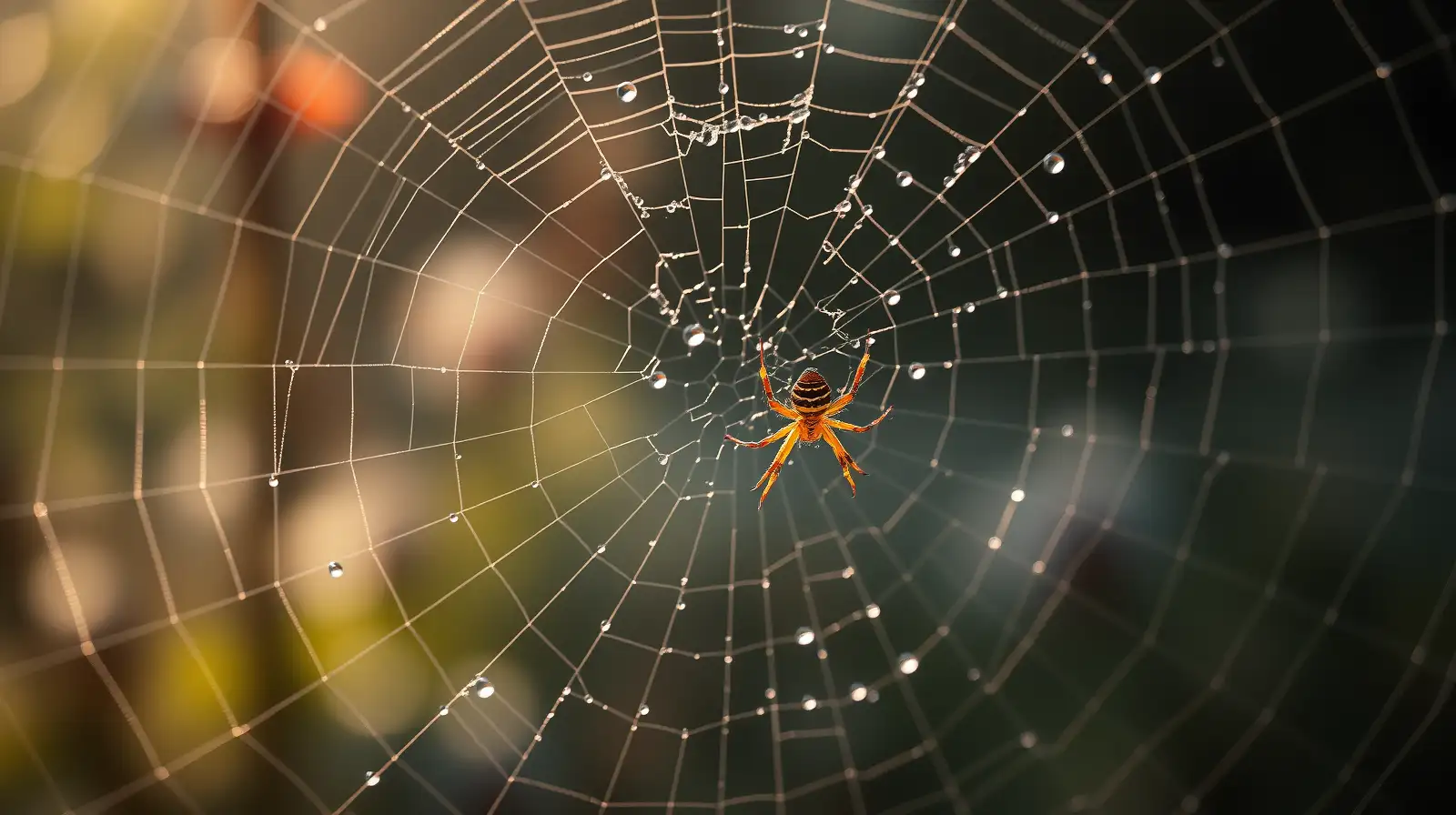
These structures are far more than simple nests. Inside, they contain nurseries, food storage areas, fungal gardens and an intricate network of tunnels that control airflow. Natural ventilation keeps temperatures remarkably stable despite scorching daytime heat and much cooler nights.
Engineers have even studied termite mounds when designing energy-efficient buildings, using similar ventilation principles to reduce the need for artificial cooling.
These lodges have underwater entrances that help protect families from predators. Inside, dry living chambers provide warmth throughout the year.
Beaver dams also benefit countless other species. The wetlands they create support fish, birds, amphibians and insects while helping reduce flooding and improving water quality. Their building activities make beavers one of the world's most important ecosystem engineers.
The narrow entrance helps keep predators such as snakes away, while the woven design remains flexible enough to withstand strong winds.
Females carefully inspect these nests before choosing a mate, meaning construction quality directly influences breeding success. Some males build several nests before finally attracting a partner.
Entire prairie dog colonies can spread across hundreds of hectares, with interconnected tunnel systems supporting thousands of animals. Slightly raised entrances help prevent flooding while also providing lookout points for spotting approaching predators.
Communication within these underground communities is equally impressive, with specialised alarm calls warning neighbours of different types of danger.
Trapdoor spiders take this even further by creating underground burrows with perfectly camouflaged hinged doors made from silk, soil and vegetation. These concealed entrances allow spiders to ambush prey while remaining almost invisible.
The strength and flexibility of spider silk continue to inspire scientists developing advanced materials.
Leafcutter ants construct vast underground colonies containing specialised chambers for growing fungus, which serves as their primary food source. Naked mole-rats also develop extensive tunnel networks with separate areas for sleeping, feeding and raising young.
These examples demonstrate that remarkable architecture exists in almost every environment on Earth.
Protecting habitats is equally important because many animals cannot simply relocate if their homes are destroyed. Deforestation, urban expansion and climate change threaten countless species that rely on carefully built shelters for survival.
Understanding these structures highlights how deeply animals shape the ecosystems around them.
Termites Build Cities Beneath Our Feet
Among nature's greatest builders are termites. Although each termite is tiny, millions work together to create towering mounds that can reach several metres in height.These structures are far more than simple nests. Inside, they contain nurseries, food storage areas, fungal gardens and an intricate network of tunnels that control airflow. Natural ventilation keeps temperatures remarkably stable despite scorching daytime heat and much cooler nights.
Engineers have even studied termite mounds when designing energy-efficient buildings, using similar ventilation principles to reduce the need for artificial cooling.
Beavers Are Nature's Master Engineers
Few animals reshape landscapes as dramatically as beavers. Using branches, mud and stones, they build dams that slow rivers and create ponds where they construct dome-shaped lodges.These lodges have underwater entrances that help protect families from predators. Inside, dry living chambers provide warmth throughout the year.
Beaver dams also benefit countless other species. The wetlands they create support fish, birds, amphibians and insects while helping reduce flooding and improving water quality. Their building activities make beavers one of the world's most important ecosystem engineers.
Weaver Birds Produce Remarkable Hanging Nests
The nests of weaver birds are among the finest examples of craftsmanship in the animal kingdom. Male birds carefully weave long strands of grass into hanging, enclosed structures suspended from tree branches.The narrow entrance helps keep predators such as snakes away, while the woven design remains flexible enough to withstand strong winds.
Females carefully inspect these nests before choosing a mate, meaning construction quality directly influences breeding success. Some males build several nests before finally attracting a partner.
Prairie Dogs Create Underground Communities
Prairie dogs may seem small, but their underground homes are astonishingly complex. Their burrows contain multiple entrances, nesting chambers, storage areas and escape tunnels.Entire prairie dog colonies can spread across hundreds of hectares, with interconnected tunnel systems supporting thousands of animals. Slightly raised entrances help prevent flooding while also providing lookout points for spotting approaching predators.
Communication within these underground communities is equally impressive, with specialised alarm calls warning neighbours of different types of danger.
Spiders Build More Than Simple Webs
Although webs are often viewed as hunting traps, many spiders also use silk to create sophisticated homes. Some species construct funnel-shaped retreats, while others build protective silk chambers hidden beneath leaves or underground.You may also like
- Kate Middleton brings back the timeless gingham dress and it's the easiest summer trend to copy
- Rare monsoon twist: Goa and parts of the Western Ghats see lighter rain as East India gets drenched, what travellers need to know
- Quote of the day by Michelangelo: “The sculpture is already complete within the marble block before I start my work. It is already there; I just have to chisel away the superfluous material”
- 7 Home Remedies That May Fade Dark Circles Naturally
- Why Am I So Thirsty While Breastfeeding?
Trapdoor spiders take this even further by creating underground burrows with perfectly camouflaged hinged doors made from silk, soil and vegetation. These concealed entrances allow spiders to ambush prey while remaining almost invisible.
The strength and flexibility of spider silk continue to inspire scientists developing advanced materials.
Lesser-Known Animal Architects
Several lesser-known species are equally impressive builders. Pufferfish create enormous circular patterns in the seabed to attract mates, using only their fins to sculpt the sand.Leafcutter ants construct vast underground colonies containing specialised chambers for growing fungus, which serves as their primary food source. Naked mole-rats also develop extensive tunnel networks with separate areas for sleeping, feeding and raising young.
These examples demonstrate that remarkable architecture exists in almost every environment on Earth.
Why Animal Homes Matter Today
Studying animal construction provides valuable insights for science, engineering and environmental conservation. Architects have borrowed ideas from termite ventilation, while researchers study beaver dams to improve wetland restoration.Protecting habitats is equally important because many animals cannot simply relocate if their homes are destroyed. Deforestation, urban expansion and climate change threaten countless species that rely on carefully built shelters for survival.
Understanding these structures highlights how deeply animals shape the ecosystems around them.






Loving Newspoint? Download the app now
