
Wildlife Species That Have Made a Remarkable Comeback Against All Odds

News about wildlife often focuses on declining populations and endangered species, making it easy to believe that nature is losing the battle. While many animals still face serious threats, there are also inspiring stories of recovery that show what determined conservation efforts can achieve. Around the world, species once pushed to the brink of extinction have made remarkable comebacks thanks to habitat restoration, stronger legal protection, breeding programmes and the dedication of local communities. These success stories remind us that protecting wildlife is not a hopeless task. With the right action, damaged ecosystems can recover and endangered animals can once again thrive in their natural habitats.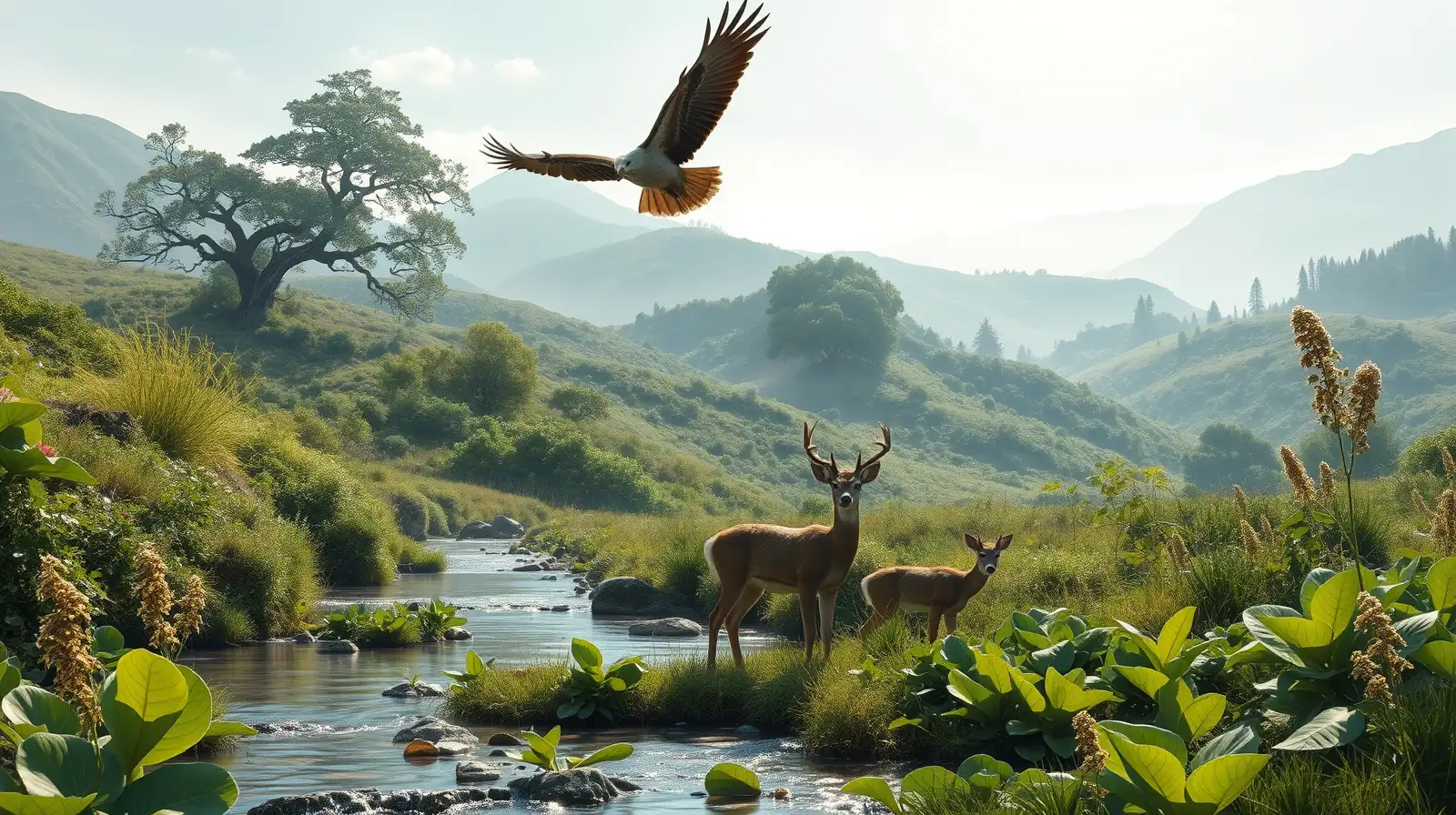
However, governments, scientists, conservation organisations and local communities have worked together to reverse these declines. Protected areas, anti-poaching laws and carefully managed breeding programmes have given several species a second chance.
These efforts demonstrate that conservation is most successful when people and nature are supported together.
The humpback whale is another remarkable success. Following the international ban on commercial whaling, many populations have recovered significantly, with these magnificent marine mammals returning to waters where they had almost disappeared.
In Europe, the Eurasian beaver has also made an impressive comeback after centuries of overhunting. Reintroduction programmes have restored beavers to rivers where they now help create healthy wetlands that support countless other species.
Similarly, the California condor, one of the world's rarest birds, has slowly increased in number through captive breeding and carefully monitored releases into the wild.
These recoveries highlight the importance of combining scientific research with long-term conservation planning.
Community involvement has also proved essential. In several countries, local people now earn income through eco-tourism and wildlife-friendly farming, giving them strong reasons to protect nearby habitats.
Technology has become another valuable tool. Camera traps, satellite tracking and drone surveys help researchers monitor recovering populations with greater accuracy than ever before.
At a time when climate change and biodiversity loss dominate global environmental discussions, wildlife recoveries provide valuable evidence that positive action can make a real difference.
Although many endangered species still require urgent protection, these examples offer hope rather than despair.
Conservation Can Change the Future
Many wildlife populations declined rapidly during the nineteenth and twentieth centuries because of hunting, habitat destruction and pollution. In some cases, only a handful of individuals remained.However, governments, scientists, conservation organisations and local communities have worked together to reverse these declines. Protected areas, anti-poaching laws and carefully managed breeding programmes have given several species a second chance.
These efforts demonstrate that conservation is most successful when people and nature are supported together.
Species That Defied the Odds
One of the most celebrated recoveries is the giant panda. Once considered a global symbol of endangered wildlife, the species has benefited from extensive bamboo forest protection and carefully managed reserves in China. Its conservation status has improved as populations have gradually increased.The humpback whale is another remarkable success. Following the international ban on commercial whaling, many populations have recovered significantly, with these magnificent marine mammals returning to waters where they had almost disappeared.
In Europe, the Eurasian beaver has also made an impressive comeback after centuries of overhunting. Reintroduction programmes have restored beavers to rivers where they now help create healthy wetlands that support countless other species.
The Return of Birds of Prey
Several birds once faced severe population declines because of hunting and pesticide use. The bald eagle in North America recovered after legal protection and restrictions on harmful chemicals such as DDT.Similarly, the California condor, one of the world's rarest birds, has slowly increased in number through captive breeding and carefully monitored releases into the wild.
You may also like
- Amy Schumer Proudly Shows Her C Section Scar and Sends a Powerful Message to Moms
- Mastering Makeup Application for Every Face Shape
- Essential Tips for a Memorable Monsoon Jungle Safari
- Heavy rain to lash multiple states this week as IMD flags flood threat and thunderstorms; what travellers need to know
- Brad Pitt and Ines de Ramon Share Romantic Kiss at FIFA Match
These recoveries highlight the importance of combining scientific research with long-term conservation planning.
Surprising Lessons From Wildlife Recovery
Scientists have found that restoring habitats often benefits many species at once. Protecting forests, wetlands and grasslands creates healthier ecosystems that support mammals, birds, insects and plants together.Community involvement has also proved essential. In several countries, local people now earn income through eco-tourism and wildlife-friendly farming, giving them strong reasons to protect nearby habitats.
Technology has become another valuable tool. Camera traps, satellite tracking and drone surveys help researchers monitor recovering populations with greater accuracy than ever before.
Why Wildlife Comebacks Matter Today
Successful conservation benefits more than just animals. Healthy ecosystems improve water quality, reduce soil erosion, store carbon and support agriculture through pollination and natural pest control.At a time when climate change and biodiversity loss dominate global environmental discussions, wildlife recoveries provide valuable evidence that positive action can make a real difference.
Although many endangered species still require urgent protection, these examples offer hope rather than despair.






Loving Newspoint? Download the app now
