Why Instant Noodles Remain A Global Favourite Despite Health Concerns

Few foods can be prepared in just a few minutes, cost relatively little and still inspire such a loyal following as instant noodles . Despite being frequently criticised for their high sodium content and limited nutritional profile, instant noodles remain a global convenience food favourite.
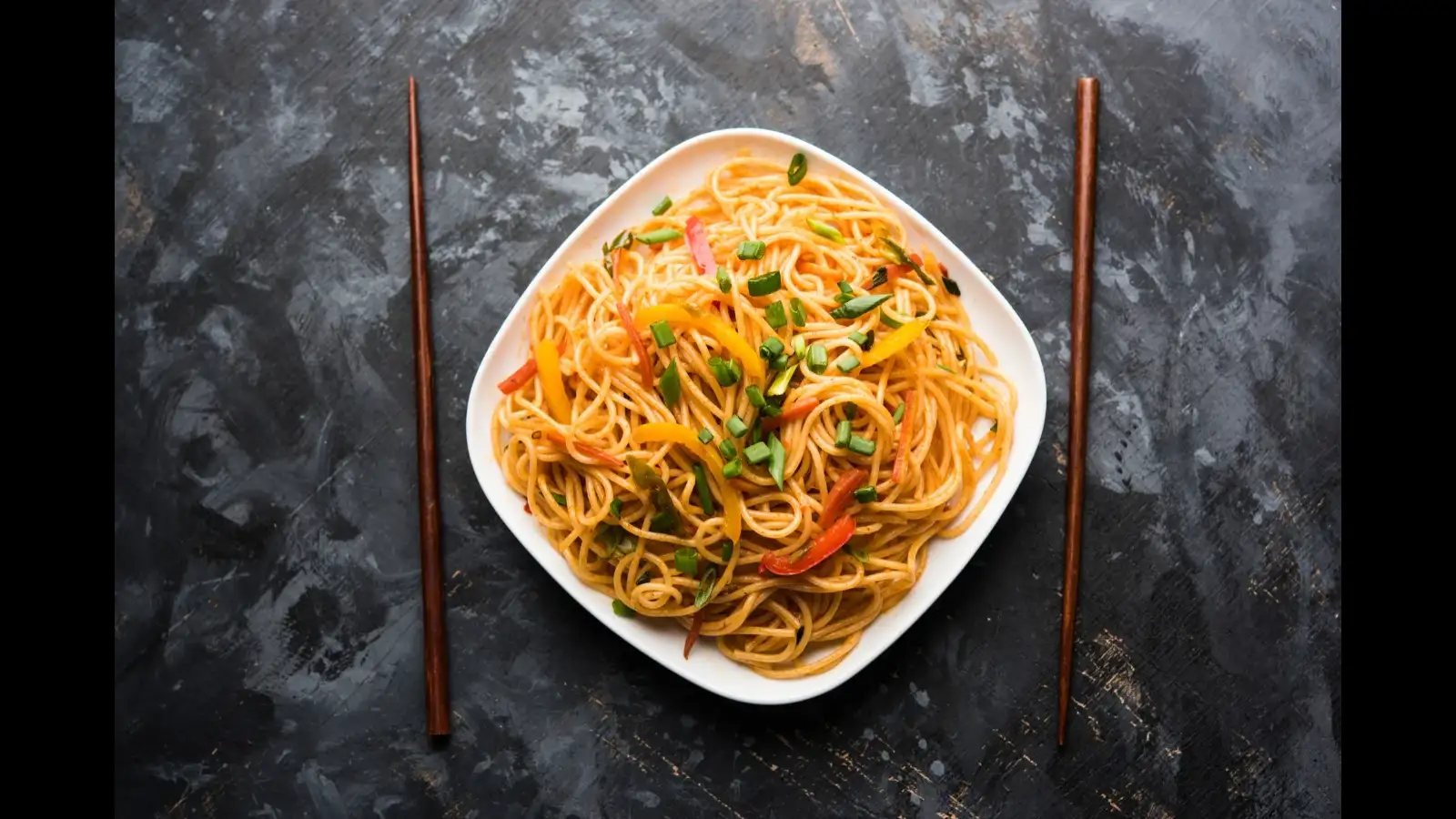
Hero Image


From busy professionals and university students to families looking for a quick snack, millions of people continue to reach for a packet or cup of noodles when time is short. Their popularity is not simply about taste. Convenience, affordability, variety and cultural adaptation have all played a role.

Why Are Instant Noodles So Popular?

The biggest advantage of instant noodles is right there in the name: they are instant.


Most varieties require only hot water and a few minutes of preparation. Unlike meals that require chopping, cooking and multiple ingredients, instant noodles offer a ready-to-eat option with minimal effort.

This makes them particularly appealing during busy days, late-night cravings, travel or situations where access to a full kitchen is limited.


Also Read: Indian Foods For Gut Health: 5 Traditional Foods To Add To Your Diet

Affordable And Easy To Store

Price is another major reason behind the popularity of instant noodles. They are generally inexpensive compared with eating out or preparing a meal from scratch.

Their long shelf life also makes them convenient to keep at home. Unlike fresh vegetables, meat or dairy products, unopened packets can typically be stored for extended periods without refrigeration.

This combination of affordability and storage convenience has helped instant noodles become a staple in many households around the world.


From One Flavour To Thousands Of Variations

Instant noodles are no longer limited to a handful of flavours. Different countries and regions have developed their own versions, incorporating local ingredients, spices and cooking styles.

Some people add eggs, vegetables, tofu, chicken or seafood to turn instant noodles into a more substantial meal. Others use them as a base for creative recipes, adding sauces, herbs and spices to customise the taste.

This adaptability has helped instant noodles become part of different food cultures rather than remaining a single-style convenience product.

But What About Instant Noodles Health Concerns?

The criticism surrounding instant noodles is not without reason. Depending on the brand and variety, instant noodles can contain significant amounts of sodium and may be relatively low in fibre, protein and certain vitamins and minerals.

Some varieties are also fried during processing, which can increase their fat content.


This does not necessarily mean that eating instant noodles occasionally is harmful for everyone. However, regularly relying on them as a main meal without adding other nutritious foods can make it harder to maintain a balanced diet.

How To Make Instant Noodles More Nutritious

One simple way to improve the nutritional value of instant noodles is to add other ingredients. Vegetables such as spinach, carrots, peas, mushrooms and broccoli can provide fibre and micronutrients.

Adding an egg, beans, tofu or another protein source can make the meal more filling. Using only part of the seasoning packet may also help reduce the overall sodium content, depending on the product.

The goal is not necessarily to eliminate instant noodles, but to make them part of a more balanced meal.

Why The Global Love Affair Continues

Instant noodles have succeeded because they solve a very simple problem: people want food that is affordable, convenient and tasty.


Their reputation may remain complicated because of instant noodles nutrition concerns, but their adaptability has allowed them to survive changing food trends. They can be a quick snack, a late-night comfort food or the foundation for a more elaborate meal.

That balance between convenience and customisation explains why instant noodles continue to occupy such a unique place in global food culture.