
Why Honey Is One of Nature's Most Amazing Foods

Honey has been enjoyed by humans for thousands of years, not just for its natural sweetness but also for its remarkable qualities. Made by honeybees from flower nectar, this golden liquid has a fascinating story behind every drop. While honey is a common kitchen staple, there are many surprising facts about it that most people don't know. Here are some amazing and scientifically accurate facts about honey.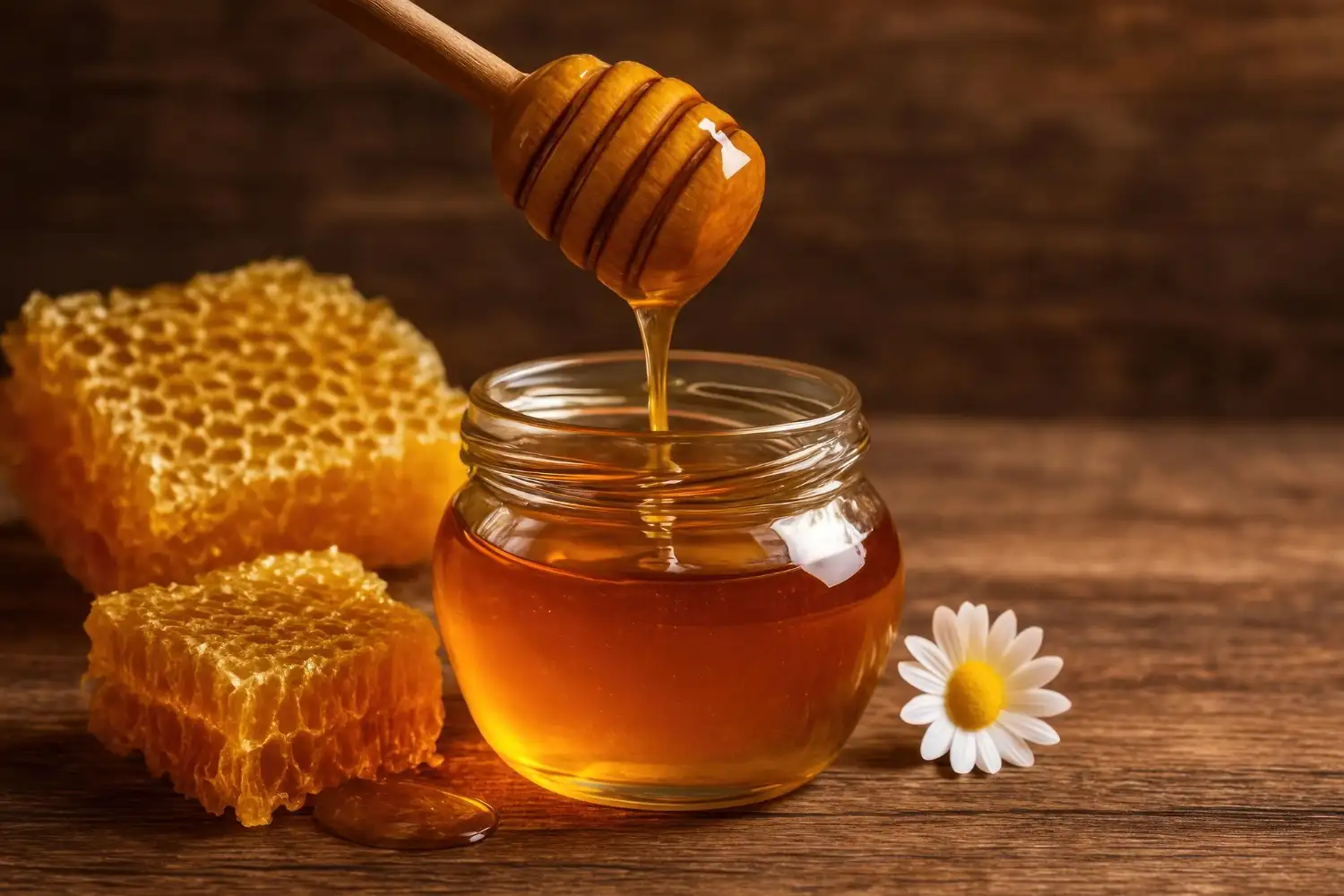
1. Honey Is Made Through a Remarkable Process
Honey begins as nectar collected by worker bees from flowering plants. The bees store the nectar in a special "honey stomach" before bringing it back to the hive. There, the nectar is passed from bee to bee, mixed with natural enzymes, and then stored in honeycomb cells. Bees fan their wings to reduce the water content, turning the nectar into thick, long-lasting honey.
2. Honey Can Last for an Extremely Long Time
One of honey's most fascinating qualities is its impressive shelf life. Pure, properly stored honey can remain edible for many years because it contains very little water and is naturally acidic, making it difficult for most bacteria and microorganisms to grow. Over time, honey may crystallize, but this is a natural process and does not mean it has spoiled.
3. The Flavor Depends on the Flowers
Not all honey tastes the same. The flavor, color, and aroma depend on the type of flowers the bees visit. Honey made from clover, acacia, eucalyptus, mustard, or wildflowers can each have distinct characteristics. This is why honey varieties differ from one region to another.
4. Bees Work Hard for Every Spoonful
Producing honey takes an incredible amount of teamwork. Worker bees visit thousands of flowers to collect nectar, and an entire colony works together to produce honey. The honey stored in the hive serves as the bees' primary food source, especially during colder months or when flowers are scarce.
1. Honey Is Made Through a Remarkable Process
Honey begins as nectar collected by worker bees from flowering plants. The bees store the nectar in a special "honey stomach" before bringing it back to the hive. There, the nectar is passed from bee to bee, mixed with natural enzymes, and then stored in honeycomb cells. Bees fan their wings to reduce the water content, turning the nectar into thick, long-lasting honey. 2. Honey Can Last for an Extremely Long Time
One of honey's most fascinating qualities is its impressive shelf life. Pure, properly stored honey can remain edible for many years because it contains very little water and is naturally acidic, making it difficult for most bacteria and microorganisms to grow. Over time, honey may crystallize, but this is a natural process and does not mean it has spoiled.3. The Flavor Depends on the Flowers
Not all honey tastes the same. The flavor, color, and aroma depend on the type of flowers the bees visit. Honey made from clover, acacia, eucalyptus, mustard, or wildflowers can each have distinct characteristics. This is why honey varieties differ from one region to another. 4. Bees Work Hard for Every Spoonful
Producing honey takes an incredible amount of teamwork. Worker bees visit thousands of flowers to collect nectar, and an entire colony works together to produce honey. The honey stored in the hive serves as the bees' primary food source, especially during colder months or when flowers are scarce.Next Story