
International Tea Day 2026: Which Countries Produce the Most Tea Globally? Full List

International Tea Day 2026 : Which countries produce the most tea in the world? is a question that perfectly captures the spirit of International Tea Day, celebrated every year on May 21. The day highlights the cultural, social and economic importance of tea, the world’s second most consumed beverage after water. From India’s comforting masala chai to Japan’s vibrant matcha, tea continues to unite cultures across the globe. Today, the global tea industry is a multi-billion-dollar market, with a few countries dominating production and shaping global supply.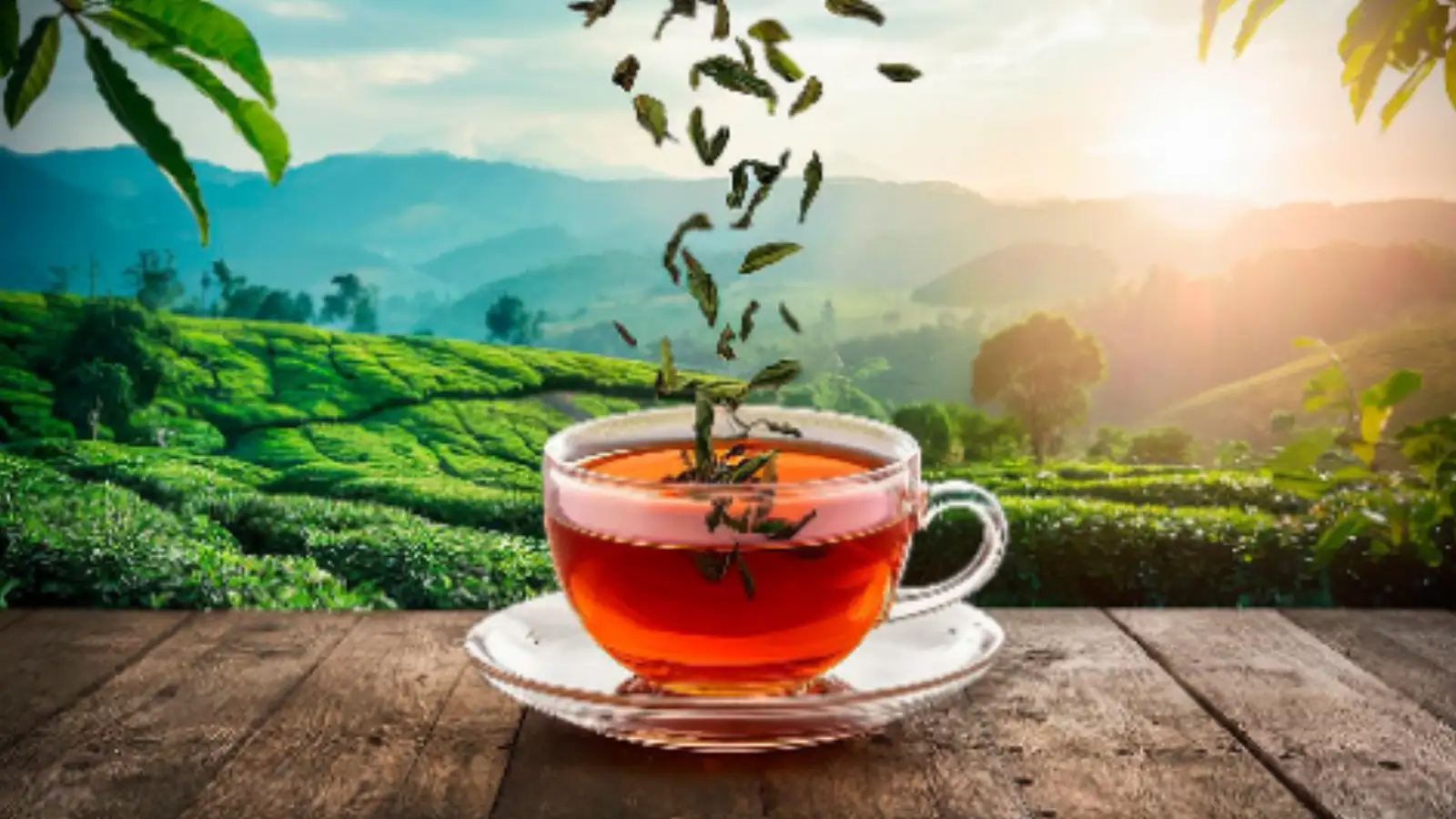
Global Tea Production: A Look at the Leaders
Tea production is concentrated in a handful of countries where climate, tradition and agriculture come together to produce high-quality leaves. Here are the top tea-producing nations that power the global tea industry.
China – The World’s Largest Tea Producer
China stands at the top as the undisputed leader in global tea production, contributing nearly half of the world’s total output. Tea is deeply rooted in Chinese history and culture, with its origins widely believed to trace back to ancient China.
The country produces a wide variety of teas, including green, black, white and oolong. Beyond production, tea is also an important part of daily life and traditional ceremonies, making it both a cultural symbol and an economic powerhouse.
India – A Global Tea Giant and Major Consumer
India ranks second in global tea production and is famous for its strong, flavourful varieties. However, unlike many exporting nations, India consumes a large share of its own production.
The beloved “chai” culture is central to everyday life, with tea often prepared using milk, sugar and spices like ginger, cardamom, cloves and cinnamon. India’s diverse tea regions, including Assam and Darjeeling, are known worldwide for premium-quality leaves.
Kenya – Africa’s Tea Powerhouse
Kenya is the third-largest tea producer globally and a key player in the international export market, especially for black tea.
Tea plays a crucial role in Kenya’s economy, supporting millions of farmers and workers. While much of its production is exported, locals commonly enjoy tea with milk and sugar, reflecting a shared cultural preference with other major tea-consuming nations.
Sri Lanka – Home of World-Famous Ceylon Tea
Sri Lanka is globally recognised for its premium “Ceylon Tea,” which is one of the country’s most important export products.
Tea is deeply woven into Sri Lankan daily life. A strong, milky brew is commonly enjoyed across households, and the country’s high-altitude plantations produce some of the most aromatic teas in the world.
Vietnam – One of the Oldest Tea Cultures
Vietnam has one of the oldest tea traditions in the world, with tea culture playing a significant role in social and cultural life.
Green tea is the most widely consumed variety, often enjoyed plain and fresh. Vietnam is also known for its unique flavoured teas, such as lotus tea, which reflects the country’s creativity in tea-making traditions.
Turkey – A Nation Where Tea Means Hospitality
Turkey has one of the highest per-capita tea consumption rates in the world. Tea is a symbol of hospitality and friendship, served hot, strong and unsweetened in signature tulip-shaped glasses.
Although Turkey exports some tea, most of its production is consumed domestically, making tea an essential part of everyday social life and conversation.
From Asia to Africa, tea-producing countries continue to shape global consumption patterns and cultural traditions. Whether it is China’s ancient tea heritage, India’s chai culture or Turkey’s hospitality rituals, each nation adds a unique flavour to the world of tea. On International Tea Day 2026, it becomes clear that tea is more than just a beverage - it is a shared global experience.
Global Tea Production: A Look at the Leaders
Tea production is concentrated in a handful of countries where climate, tradition and agriculture come together to produce high-quality leaves. Here are the top tea-producing nations that power the global tea industry.
China – The World’s Largest Tea Producer
China stands at the top as the undisputed leader in global tea production, contributing nearly half of the world’s total output. Tea is deeply rooted in Chinese history and culture, with its origins widely believed to trace back to ancient China.
The country produces a wide variety of teas, including green, black, white and oolong. Beyond production, tea is also an important part of daily life and traditional ceremonies, making it both a cultural symbol and an economic powerhouse.
India – A Global Tea Giant and Major Consumer
India ranks second in global tea production and is famous for its strong, flavourful varieties. However, unlike many exporting nations, India consumes a large share of its own production.
The beloved “chai” culture is central to everyday life, with tea often prepared using milk, sugar and spices like ginger, cardamom, cloves and cinnamon. India’s diverse tea regions, including Assam and Darjeeling, are known worldwide for premium-quality leaves.
Kenya – Africa’s Tea Powerhouse
Kenya is the third-largest tea producer globally and a key player in the international export market, especially for black tea.
Tea plays a crucial role in Kenya’s economy, supporting millions of farmers and workers. While much of its production is exported, locals commonly enjoy tea with milk and sugar, reflecting a shared cultural preference with other major tea-consuming nations.
Sri Lanka – Home of World-Famous Ceylon Tea
Sri Lanka is globally recognised for its premium “Ceylon Tea,” which is one of the country’s most important export products.
Tea is deeply woven into Sri Lankan daily life. A strong, milky brew is commonly enjoyed across households, and the country’s high-altitude plantations produce some of the most aromatic teas in the world.
Vietnam – One of the Oldest Tea Cultures
Vietnam has one of the oldest tea traditions in the world, with tea culture playing a significant role in social and cultural life.
Green tea is the most widely consumed variety, often enjoyed plain and fresh. Vietnam is also known for its unique flavoured teas, such as lotus tea, which reflects the country’s creativity in tea-making traditions.
Turkey – A Nation Where Tea Means Hospitality
Turkey has one of the highest per-capita tea consumption rates in the world. Tea is a symbol of hospitality and friendship, served hot, strong and unsweetened in signature tulip-shaped glasses.
Although Turkey exports some tea, most of its production is consumed domestically, making tea an essential part of everyday social life and conversation.
From Asia to Africa, tea-producing countries continue to shape global consumption patterns and cultural traditions. Whether it is China’s ancient tea heritage, India’s chai culture or Turkey’s hospitality rituals, each nation adds a unique flavour to the world of tea. On International Tea Day 2026, it becomes clear that tea is more than just a beverage - it is a shared global experience.
Next Story