
International Yoga Day 2024: Dispelling Common Myths And Misconceptions

Yoga is a comprehensive practice that integrates physical postures, breath control, meditation, and relaxation techniques. Rooted in ancient India, yoga has become globally renowned for its extensive benefits for both the body and mind. Physically, yoga enhances flexibility , strength , and balance through a series of poses (asanas) designed to stretch and fortify muscles. It improves circulation, supports joint health, and can contribute to weight management.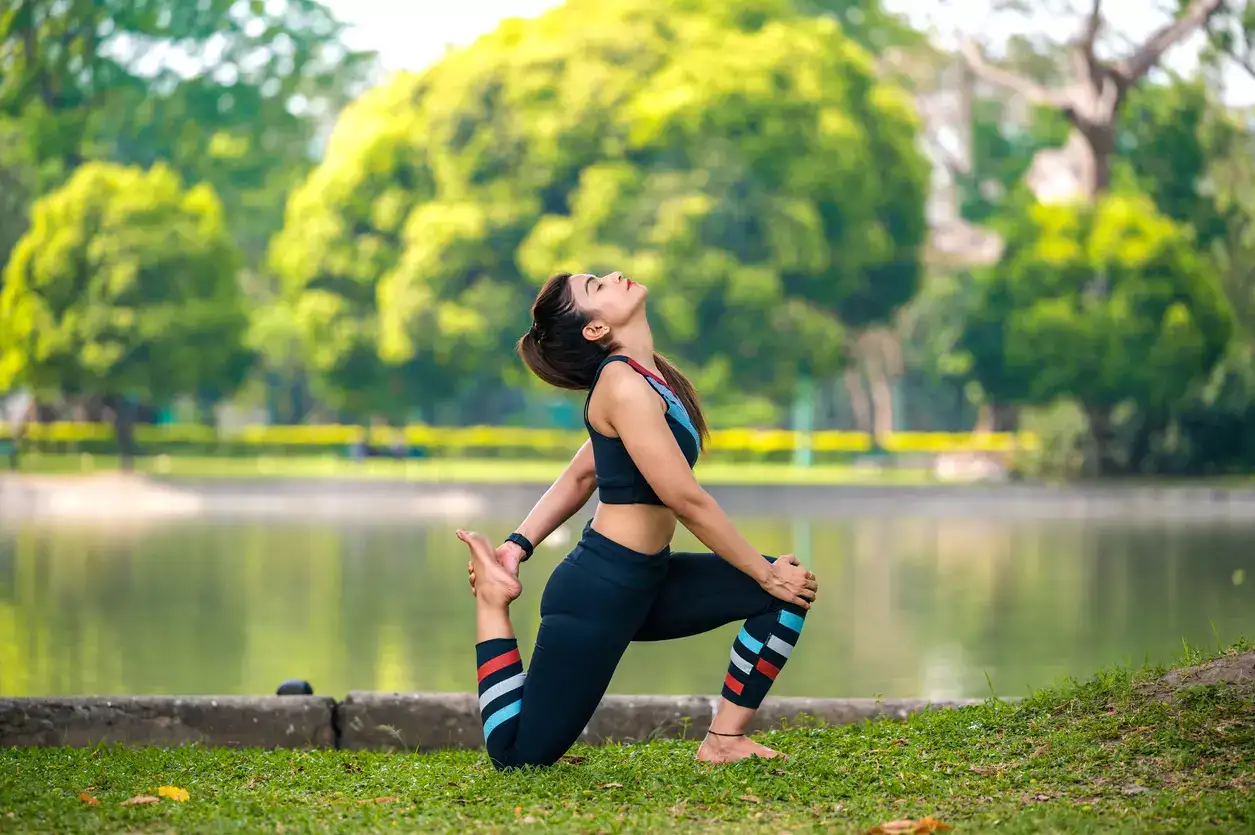
In addition to the physical advantages, yoga fosters mental clarity and tranquility by promoting mindfulness and present-moment awareness. It helps reduce stress by regulating the body's stress response systems, lowering cortisol levels, and encouraging relaxation through deep breathing exercises.
However, several myths about yoga persist. Dr. Akash Tanwar, a yoga practitioner and wellness coach, dispels 10 common misconceptions.
1. Yoga is only for flexible people: This is a widespread myth. Yoga is accessible to everyone, regardless of flexibility or fitness level. It's about progress, not perfection.
2. You have to be thin to do yoga: Yoga focuses on health and well-being, not body shape or size. People of all body types can practice yoga and reap its benefits.
3. Yoga is only for women: Although yoga has traditionally been more popular among women, it is suitable for all genders. Many men practice yoga and find it beneficial for strength, flexibility, and stress relief .
4. You have to be young to do yoga: Yoga is for all ages. There are specific practices designed for children, seniors, and everyone in between.
5. Yoga is just stretching: While stretching is a component of yoga, it also includes strength building, balance, breathwork, and mindfulness, making it a holistic practice for both the body and mind.
6. You need fancy equipment to do yoga: The only essentials for yoga are your body and a comfortable surface. Props like blocks and straps can be useful but are not necessary for a basic practice.
7. Yoga is religious: Although yoga has origins in Hinduism, Buddhism, and Jainism, modern yoga classes often focus on physical and mental health rather than religious practices. It can be practiced by individuals of any faith or none.
8. You have to be able to meditate to do yoga: While some yoga styles include meditation, many classes emphasize movement and breath. You don't need to be a meditation expert to benefit from yoga.
9. Yoga is only for relaxation: While yoga can be relaxing and stress-reducing, it can also be physically demanding. There are various styles of yoga, from gentle and restorative to vigorous and athletic.
10. You can't get injured doing yoga: Though yoga is generally low-impact and safe, injuries can occur, particularly if poses are performed incorrectly or if a person overexerts themselves. It’s important to practice under the guidance of a qualified instructor and to listen to your body.
In addition to the physical advantages, yoga fosters mental clarity and tranquility by promoting mindfulness and present-moment awareness. It helps reduce stress by regulating the body's stress response systems, lowering cortisol levels, and encouraging relaxation through deep breathing exercises.
However, several myths about yoga persist. Dr. Akash Tanwar, a yoga practitioner and wellness coach, dispels 10 common misconceptions.
1. Yoga is only for flexible people: This is a widespread myth. Yoga is accessible to everyone, regardless of flexibility or fitness level. It's about progress, not perfection.
2. You have to be thin to do yoga: Yoga focuses on health and well-being, not body shape or size. People of all body types can practice yoga and reap its benefits.
3. Yoga is only for women: Although yoga has traditionally been more popular among women, it is suitable for all genders. Many men practice yoga and find it beneficial for strength, flexibility, and stress relief .
4. You have to be young to do yoga: Yoga is for all ages. There are specific practices designed for children, seniors, and everyone in between.
You may also like
- Word of the day: Bollard
- Makeup brand giving away 1,000s of free driving lessons because their primer is so strong
- Quote of the Day by Confucius, "When you see a worthy person, endeavor to emulate him. When you see an unworthy person, then...."
- 'I knew we had to prevent a priceless treasure being lost forever': Inside Dumfries House, Scotland's timeless property King Charles saved
- Fashion quote of the day by Iris Apfel: 'Jewellery is the most transformative thing you can wear'
5. Yoga is just stretching: While stretching is a component of yoga, it also includes strength building, balance, breathwork, and mindfulness, making it a holistic practice for both the body and mind.
6. You need fancy equipment to do yoga: The only essentials for yoga are your body and a comfortable surface. Props like blocks and straps can be useful but are not necessary for a basic practice.
7. Yoga is religious: Although yoga has origins in Hinduism, Buddhism, and Jainism, modern yoga classes often focus on physical and mental health rather than religious practices. It can be practiced by individuals of any faith or none.
8. You have to be able to meditate to do yoga: While some yoga styles include meditation, many classes emphasize movement and breath. You don't need to be a meditation expert to benefit from yoga.
9. Yoga is only for relaxation: While yoga can be relaxing and stress-reducing, it can also be physically demanding. There are various styles of yoga, from gentle and restorative to vigorous and athletic.
10. You can't get injured doing yoga: Though yoga is generally low-impact and safe, injuries can occur, particularly if poses are performed incorrectly or if a person overexerts themselves. It’s important to practice under the guidance of a qualified instructor and to listen to your body.






Loving Newspoint? Download the app now
