
Is Chewing Saunf After Meals Good for Digestion? Dietician Explains Benefits and Side Effects

Chewing saunf after meals is a common practice in Indian households and restaurants. While its sweet flavour and refreshing aroma make it a popular mouth freshener, fennel seeds have also been traditionally associated with better digestion, reduced bloating and relief from gas. But does eating saunf after meals actually offer these health benefits? According to nutrition experts, fennel seeds contain certain natural compounds that may support digestive health. However, consuming them in excessive quantities or in concentrated forms may not be suitable for everyone.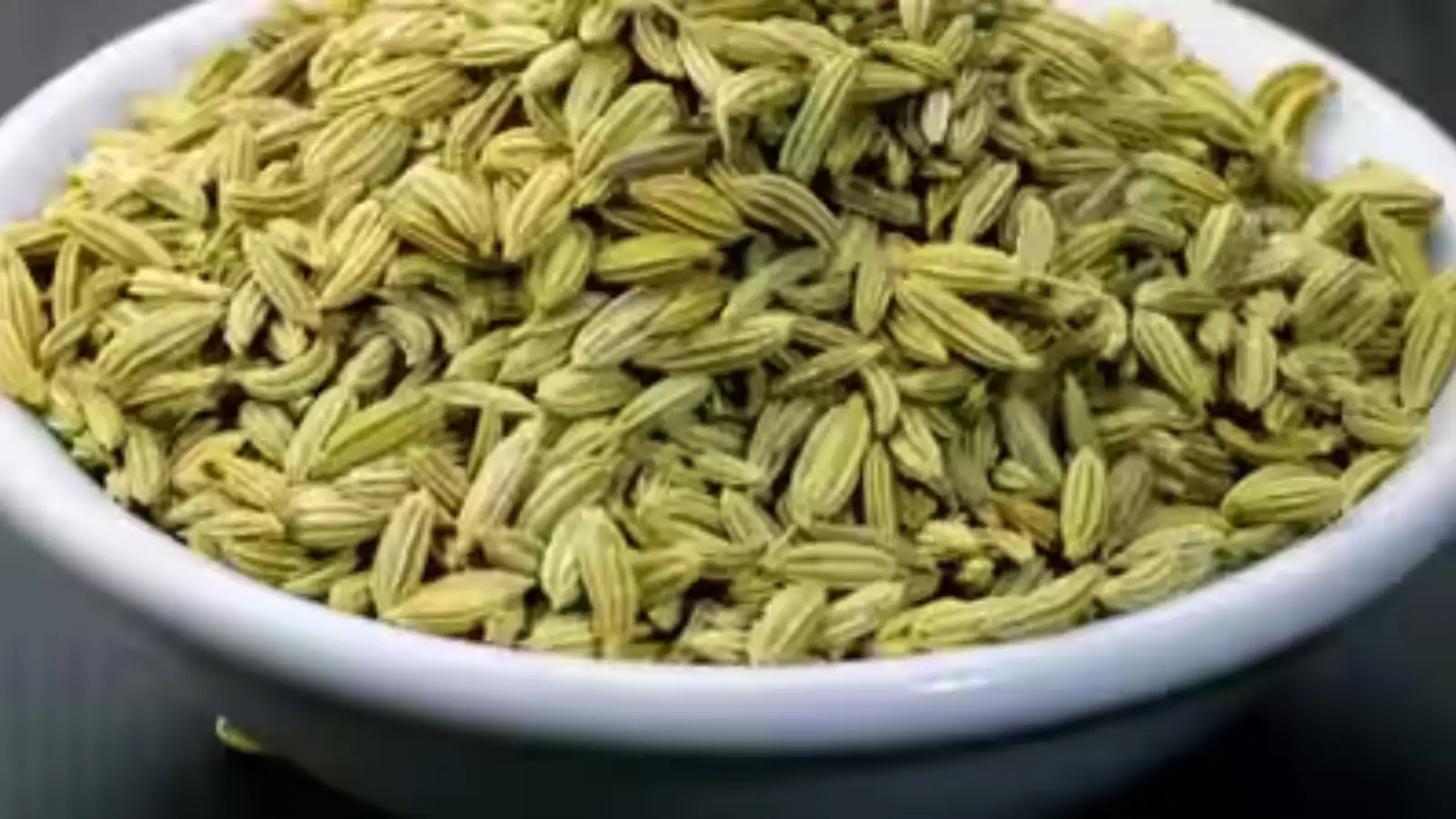
According to Dt. Simrat Kathuria, Celebrity Dietician and Nutrition Consultant with over 16 years of experience, fennel seeds have traditionally been used as carminatives. Carminatives are substances that may help reduce gas formation and ease discomfort associated with the digestive system.
“Fennel seeds contain anethole, fenchone, estragole and other related compounds. They have been used as traditional carminatives to treat colic due to gas in the alimentary canal and other indigestion symptoms, including flatulence," she explains.
This is one of the reasons why many people prefer chewing a small quantity of saunf after lunch or dinner. Its traditional use suggests that it may help make the stomach feel more comfortable after eating.
Some research suggests that compounds present in fennel may influence the smooth muscles of the gastrointestinal tract. This could help ease digestive spasms that sometimes contribute to abdominal discomfort, gas and bloating.
Explaining this property, Kathuria says, “Research reveals that the various compounds contained within Foeniculum vulgare possess antispasmodic action, particularly upon the smooth muscles of the gastrointestinal tract. Thus, it is expected that the various components of the seeds could ease spasms of the digestive tract, thereby providing relief from the consequent discomfort."
These properties offer a possible explanation for fennel's long-standing association with digestive relief. However, it is important to understand that findings from laboratory research do not necessarily establish how effectively a small serving of saunf works in the human body.
Therefore, while chewing fennel seeds may be a simple addition to your post-meal routine, it should not replace medical treatment for frequent indigestion, persistent bloating or recurring stomach pain.
Chewing fennel seeds also stimulates saliva production. Saliva plays an important role in oral health as it helps wash away food particles, keeps the mouth moist and reduces the sensation of dryness.
This makes saunf a convenient traditional mouth freshener, particularly after meals containing strong-smelling ingredients.
However, chewing fennel seeds alone cannot maintain good oral hygiene. It does not replace brushing twice a day, flossing or regular dental check-ups. If you experience persistent bad breath despite maintaining proper oral hygiene, consult a dentist to identify the underlying cause.
However, eating more fennel seeds does not necessarily provide additional health benefits. Excessive consumption, particularly in the form of concentrated extracts and essential oils, may expose the body to higher amounts of active compounds.
Kathuria recommends moderation when including fennel seeds in your diet. She says, “It is fine to consume some seeds occasionally, depending on how healthy the liver is as they should pass seamlessly through the system. They may be consumed either whole (raw) or ground and sprinkled on food or used in liquids. However, one must not overeat seeds or take the concentrated extracts and oils of the fennel seeds."
The key is to enjoy fennel seeds in normal food quantities rather than treating them as a daily medicinal supplement.
Here are some important things to consider:
However, its benefits should not be exaggerated. Scientific evidence on the effectiveness of small dietary servings for treating digestive problems remains limited, and excessive consumption is not recommended.
You can enjoy a little saunf after meals if it suits your body, but remember that good digestion depends on an overall healthy lifestyle, including a balanced diet, adequate hydration, physical activity and mindful eating habits. If digestive problems occur frequently, seeking medical advice is always a better option than relying solely on home remedies.
How Does Saunf Support Digestion?
Fennel seeds, scientifically known as Foeniculum vulgare, contain naturally occurring compounds such as anethole, fenchone and estragole. These substances have been studied for their potential digestive benefits and are traditionally used to manage problems such as gas, bloating and indigestion.According to Dt. Simrat Kathuria, Celebrity Dietician and Nutrition Consultant with over 16 years of experience, fennel seeds have traditionally been used as carminatives. Carminatives are substances that may help reduce gas formation and ease discomfort associated with the digestive system.
“Fennel seeds contain anethole, fenchone, estragole and other related compounds. They have been used as traditional carminatives to treat colic due to gas in the alimentary canal and other indigestion symptoms, including flatulence," she explains.
This is one of the reasons why many people prefer chewing a small quantity of saunf after lunch or dinner. Its traditional use suggests that it may help make the stomach feel more comfortable after eating.
Can Eating Saunf Reduce Bloating and Stomach Discomfort?
Another potential digestive benefit of fennel seeds is their antispasmodic action. This refers to the ability of certain substances to relax smooth muscles and potentially reduce muscle spasms.Some research suggests that compounds present in fennel may influence the smooth muscles of the gastrointestinal tract. This could help ease digestive spasms that sometimes contribute to abdominal discomfort, gas and bloating.
Explaining this property, Kathuria says, “Research reveals that the various compounds contained within Foeniculum vulgare possess antispasmodic action, particularly upon the smooth muscles of the gastrointestinal tract. Thus, it is expected that the various components of the seeds could ease spasms of the digestive tract, thereby providing relief from the consequent discomfort."
These properties offer a possible explanation for fennel's long-standing association with digestive relief. However, it is important to understand that findings from laboratory research do not necessarily establish how effectively a small serving of saunf works in the human body.
Therefore, while chewing fennel seeds may be a simple addition to your post-meal routine, it should not replace medical treatment for frequent indigestion, persistent bloating or recurring stomach pain.
Does Chewing Saunf After Meals Help Freshen Your Breath?
Freshening the breath is one of the most noticeable reasons people eat saunf after meals. Its naturally sweet fragrance can help reduce unpleasant food odours and leave the mouth feeling refreshed.Chewing fennel seeds also stimulates saliva production. Saliva plays an important role in oral health as it helps wash away food particles, keeps the mouth moist and reduces the sensation of dryness.
This makes saunf a convenient traditional mouth freshener, particularly after meals containing strong-smelling ingredients.
However, chewing fennel seeds alone cannot maintain good oral hygiene. It does not replace brushing twice a day, flossing or regular dental check-ups. If you experience persistent bad breath despite maintaining proper oral hygiene, consult a dentist to identify the underlying cause.
You may also like
- Gassy Stomach After Eating, Doctor Shares 3 Foods to Beat Bloating
- AQI Above 200, Should You Walk Outside? Expert Shares Indoor Formula
- Bajra Ki Rabri: Easy Winter Pearl Millet Recipe to Keep Warm
- A blow for HDFC Bank customers! Loan EMIs have become costlier; check the new interest rates..
- What Causes Anemia, Learn What to Eat to Boost Hemoglobin Fast
How Much Saunf Should You Eat After Meals?
A small quantity of fennel seeds after lunch or dinner can be enjoyed as part of a balanced diet. You can chew them whole, grind them and sprinkle them over food, or add them to different liquids.However, eating more fennel seeds does not necessarily provide additional health benefits. Excessive consumption, particularly in the form of concentrated extracts and essential oils, may expose the body to higher amounts of active compounds.
Kathuria recommends moderation when including fennel seeds in your diet. She says, “It is fine to consume some seeds occasionally, depending on how healthy the liver is as they should pass seamlessly through the system. They may be consumed either whole (raw) or ground and sprinkled on food or used in liquids. However, one must not overeat seeds or take the concentrated extracts and oils of the fennel seeds."
The key is to enjoy fennel seeds in normal food quantities rather than treating them as a daily medicinal supplement.
Who Should Be Careful About Eating Saunf?
Although fennel seeds are commonly consumed as food, they may not be suitable for everyone. Certain individuals should take additional precautions before increasing their intake or using fennel-based supplements.Here are some important things to consider:
- People with fennel allergies: Those who are allergic or sensitive to fennel should avoid consuming it, as it may trigger an allergic reaction.
- People with existing health conditions: Individuals with underlying medical conditions or concerns about liver function should consult a healthcare professional before using fennel for medicinal purposes.
- Pregnant women: Pregnant women should seek medical advice before consuming fennel in medicinal quantities or using concentrated fennel preparations.
- Breastfeeding mothers: Those who are breastfeeding should also consult their doctors before taking fennel extracts, supplements or essential oils.
Is It Good to Make Saunf a Daily Post-Meal Habit?
Chewing saunf after meals can be a simple way to freshen your breath and enjoy a traditional food ingredient that contains compounds with potential digestive properties. Its carminative and antispasmodic effects may help explain why fennel has been used for generations to manage gas and digestive discomfort.However, its benefits should not be exaggerated. Scientific evidence on the effectiveness of small dietary servings for treating digestive problems remains limited, and excessive consumption is not recommended.
You can enjoy a little saunf after meals if it suits your body, but remember that good digestion depends on an overall healthy lifestyle, including a balanced diet, adequate hydration, physical activity and mindful eating habits. If digestive problems occur frequently, seeking medical advice is always a better option than relying solely on home remedies.






Loving Newspoint? Download the app now
