
Is Dancing Safe During Pregnancy?


Dancing during pregnancy is safe for most women with uncomplicated pregnancies, as long as you choose low-impact styles, avoid high-risk movements, and get your doctor's approval first. The American College of Obstetricians and Gynecologists (ACOG) lists dance as a safe and beneficial activity during pregnancy. The World Health Organization (WHO) also recommends at least 150 minutes of moderate physical activity per week for pregnant women. Whether you are attending a Garba night, a wedding sangeet, or simply moving to music at home, most healthy pregnant women can continue dancing across all three trimesters with appropriate modifications.
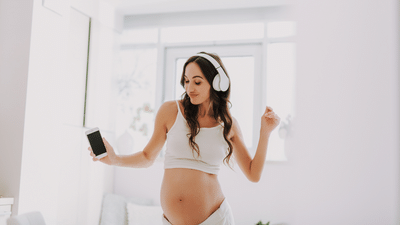
What Are the Benefits of Dancing During Pregnancy?
Dancing is a low-impact cardiovascular activity that benefits both fitness and mental well-being during pregnancy. Here is what the research shows:
Better mood and reduced stress: Physical activity during pregnancy triggers the release of endorphins, which help lower cortisol levels and reduce symptoms of prenatal anxiety. Improved balance and coordination: Pregnancy shifts your centre of gravity as the belly grows. Gentle dance movements help train the body's stabilising muscles to adjust, reducing the risk of falls. Lower risk of gestational complications: Regular moderate exercise during pregnancy, including dance, is associated with a reduced risk of gestational diabetesand pregnancy-related hypertension. Labour benefits: A 2025 reviewpublished in BMC Pregnancy and Childbirth, which analysed 12 randomised controlled trials involving 1,486 women, found that women who danced during pregnancy had higher rates of natural childbirth and reported less pain during labour. Which Dance Forms Are Safe During Pregnancy?
Not all dance styles carry the same risk. The key is choosing forms that are slow, controlled, and keep at least one foot on the ground most of the time.

Safe options:
When Should You Stop Dancing?Stop dancing immediately and contact your healthcare provider if you experience any of the following:
Practical Tips For Dancing Safely During Pregnancy
support group
What Are the Benefits of Dancing During Pregnancy?
Dancing is a low-impact cardiovascular activity that benefits both fitness and mental well-being during pregnancy. Here is what the research shows:
- Improved blood circulation: Rhythmic movement activates muscles throughout the body, which improves blood flowto the uterus. Better circulation may help reduce leg swelling, a common complaint in the second and third trimesters.
- Stronger core and back muscles:
Not all dance styles carry the same risk. The key is choosing forms that are slow, controlled, and keep at least one foot on the ground most of the time.
Safe options:
- Belly dancing: Slow, controlled movements that strengthen the pelvic floor and lower back.
- Salsa: Provides a light aerobic workout. Avoid fast spins and jumps.
- Ballroom dancing: Safe as long as lifts are removed from the routine.
- Samba: Acceptable if you avoid high-impact footwork and partner lifts.
- Classical Indian dance: The upper-body and expressive movements are generally fine. However, the heavy stamping footwork in Bharatanatyam and Kathak, which involves striking the floor with force, should be avoided, particularly after the first trimester.
- Garba and Dandiya: Slow, circular Garba movements are generally fine. Avoid fast-paced Dandiya rounds that involve spinning, jumping, or energetic partner contact.
- Freestyle home dancing: Light, impromptu movement to music at home is fine.
- Jumps and leaps: High-impact moves strain ligaments, which are already loosened during pregnancy due to the hormone relaxin.
- Lifts: Being lifted by a partner risks falls and abdominal impact.
- Rapid spinning: Can affect blood pressure and cause dizziness.
- Lying flat on your back: After the first trimester, this position can compress the inferior vena cava, the large vein that returns blood from the lower body to the heart, reducing circulation.
- Deep backbends: Place excessive strain on the abdominal muscles and lumbar spine.
- Jerky, high-impact footwork: Particularly relevant to Kathak and Bharatanatyam, as the stamping movements send vibration up through the body.
- Hip-hop, street dance, and cheerleading: These styles typically involve too many high-impact, erratic movements to be safely modified for pregnancy.
- Vaginal bleeding or fluid leakage
- Chest pain or difficulty breathing
- Dizziness or faintness
- Uterine contractions
- Decreased foetal movement
- Persistent pain in the pelvis or abdomen
Practical Tips For Dancing Safely During Pregnancy
- Always warm up before dancing and cool down gradually afterwards.
- Wear supportive, non-slip footwear. Avoid dancing barefoot on hard floors for extended periods.
- Stay hydrated before, during, and after.
- Take breaks every 20–30 minutes.
- If you attend a class, inform the instructor you are pregnant so they can suggest modifications.
- Avoid wearing tight clothing around the abdomen.
support group
Next Story