
Eating the Same Breakfast Every Morning: Is It Healthy or Limiting Your Nutrition?

Breakfast is often called the most important meal of the day, but what happens when it becomes the same meal every single morning? From a bowl of oats to eggs on toast or a simple fruit smoothie, many people follow a fixed breakfast routine for years. While some believe variety is essential for good health, others argue that repeating the same nutritious meal can simplify life and improve consistency. The habit of eating the same breakfast every day reveals an interesting connection between food, psychology, decision-making, and long-term health.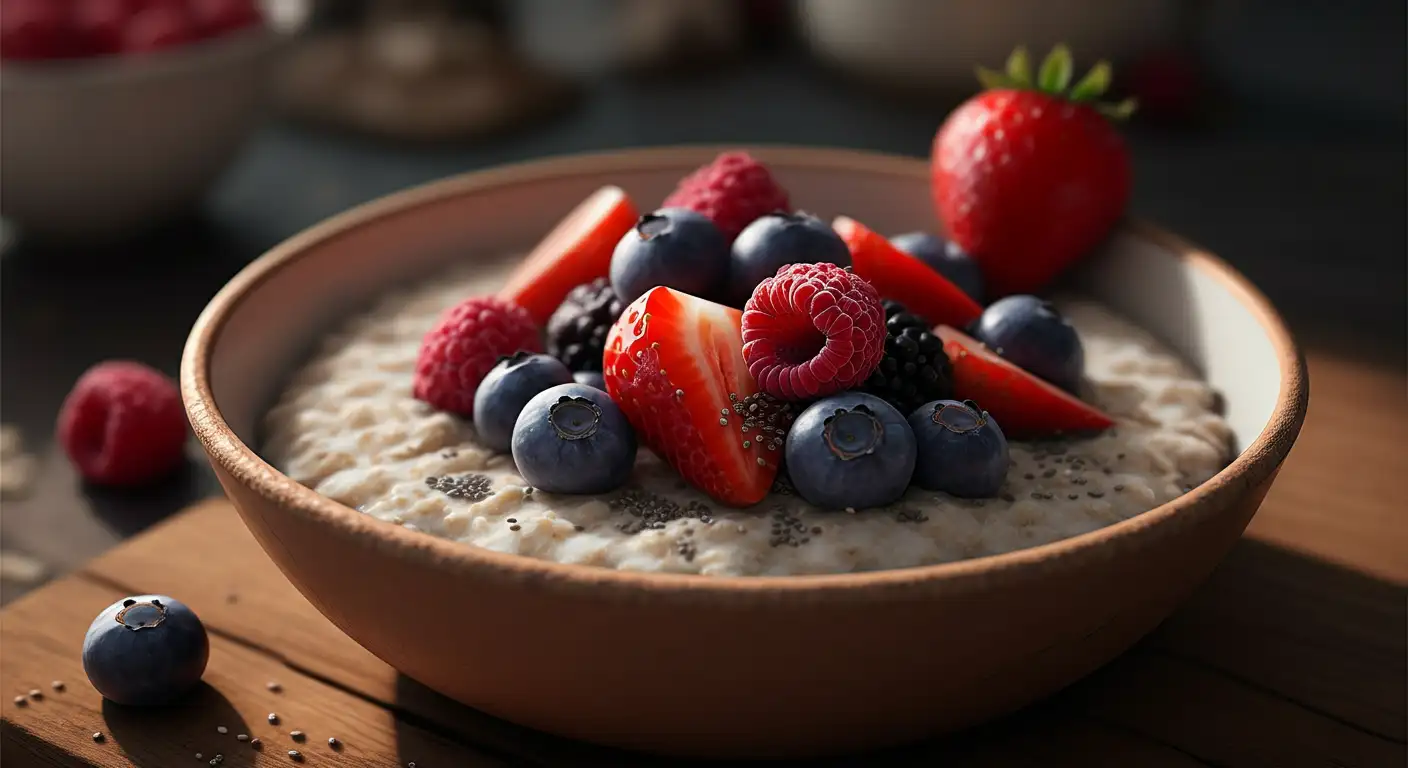
This idea is sometimes called “decision fatigue”. The human brain makes thousands of choices daily, from work decisions to personal responsibilities. Having a fixed breakfast removes one small decision from the list, allowing more mental energy for other tasks.
For example, a person who prepares the same overnight oats every morning does not need to spend time deciding what to eat or worrying about whether the meal is balanced.
Foods such as oats, eggs, yoghurt, nuts, seeds, and fruits are popular choices because they help maintain fullness and prevent unnecessary snacking later in the day.
Consistency can also make it easier to track dietary patterns. Someone trying to improve their nutrition may find it simpler to monitor calories, protein intake, or sugar consumption when their morning meal remains unchanged.
For instance, eating only toast every morning may provide energy but lack enough protein, fibre, or important nutrients. Similarly, relying on one type of fruit means missing out on the different antioxidants found in other varieties.
Nutrition experts often recommend maintaining consistency while occasionally changing ingredients. Adding different fruits, nuts, seeds, or protein sources can provide variety without making mornings complicated.
Historically, many cultures have followed repeated morning food traditions. From porridge in parts of Britain to traditional breakfasts across Asia, daily meals have often reflected local ingredients, routines, and lifestyles.
The key is not whether breakfast changes every day, but whether it provides the nutrition the body needs. A repeated meal can be beneficial when it is thoughtfully planned.
Why Do People Prefer Eating the Same Breakfast Every Day?
A predictable breakfast can make mornings easier. Many successful professionals, athletes, and entrepreneurs follow simple food routines because they reduce the number of decisions they need to make each day.This idea is sometimes called “decision fatigue”. The human brain makes thousands of choices daily, from work decisions to personal responsibilities. Having a fixed breakfast removes one small decision from the list, allowing more mental energy for other tasks.
For example, a person who prepares the same overnight oats every morning does not need to spend time deciding what to eat or worrying about whether the meal is balanced.
The Health Benefits of a Consistent Breakfast Routine
Eating the same breakfast every day can support healthy habits if the meal contains the right nutrients. A balanced breakfast with protein, fibre, healthy fats, and essential vitamins can provide steady energy throughout the morning.Foods such as oats, eggs, yoghurt, nuts, seeds, and fruits are popular choices because they help maintain fullness and prevent unnecessary snacking later in the day.
Consistency can also make it easier to track dietary patterns. Someone trying to improve their nutrition may find it simpler to monitor calories, protein intake, or sugar consumption when their morning meal remains unchanged.
Can Eating the Same Breakfast Have Downsides?
Although a regular breakfast routine can be helpful, eating exactly the same foods for a long period may reduce dietary variety. Different foods provide different nutrients, and the body benefits from a wide range of vitamins, minerals, and plant compounds.For instance, eating only toast every morning may provide energy but lack enough protein, fibre, or important nutrients. Similarly, relying on one type of fruit means missing out on the different antioxidants found in other varieties.
Nutrition experts often recommend maintaining consistency while occasionally changing ingredients. Adding different fruits, nuts, seeds, or protein sources can provide variety without making mornings complicated.
The Psychology Behind Food Routines
Food choices are closely connected to comfort and familiarity. A repeated breakfast can create a sense of stability, especially during busy periods. Similar to wearing a favourite outfit or following a morning ritual, a familiar meal can provide a feeling of control.Historically, many cultures have followed repeated morning food traditions. From porridge in parts of Britain to traditional breakfasts across Asia, daily meals have often reflected local ingredients, routines, and lifestyles.
Why This Matters in Modern Life
Today, many people struggle with busy schedules and unhealthy food choices. A simple breakfast routine can help create structure and encourage better eating habits.The key is not whether breakfast changes every day, but whether it provides the nutrition the body needs. A repeated meal can be beneficial when it is thoughtfully planned.
Next Story