
Is Halloween Really About Ghosts? A Look At The Festival's Roots

Halloween , celebrated annually on October 31, is a festival rooted in the ancient customs and religious beliefs of Western countries. What began as a traditional event has now spread globally, including to metro cities in India, where the excitement for Halloween, especially among children, is growing. But why do people dress as ghosts and other spooky characters on this day? Let's explore the history behind Halloween and its ghostly traditions.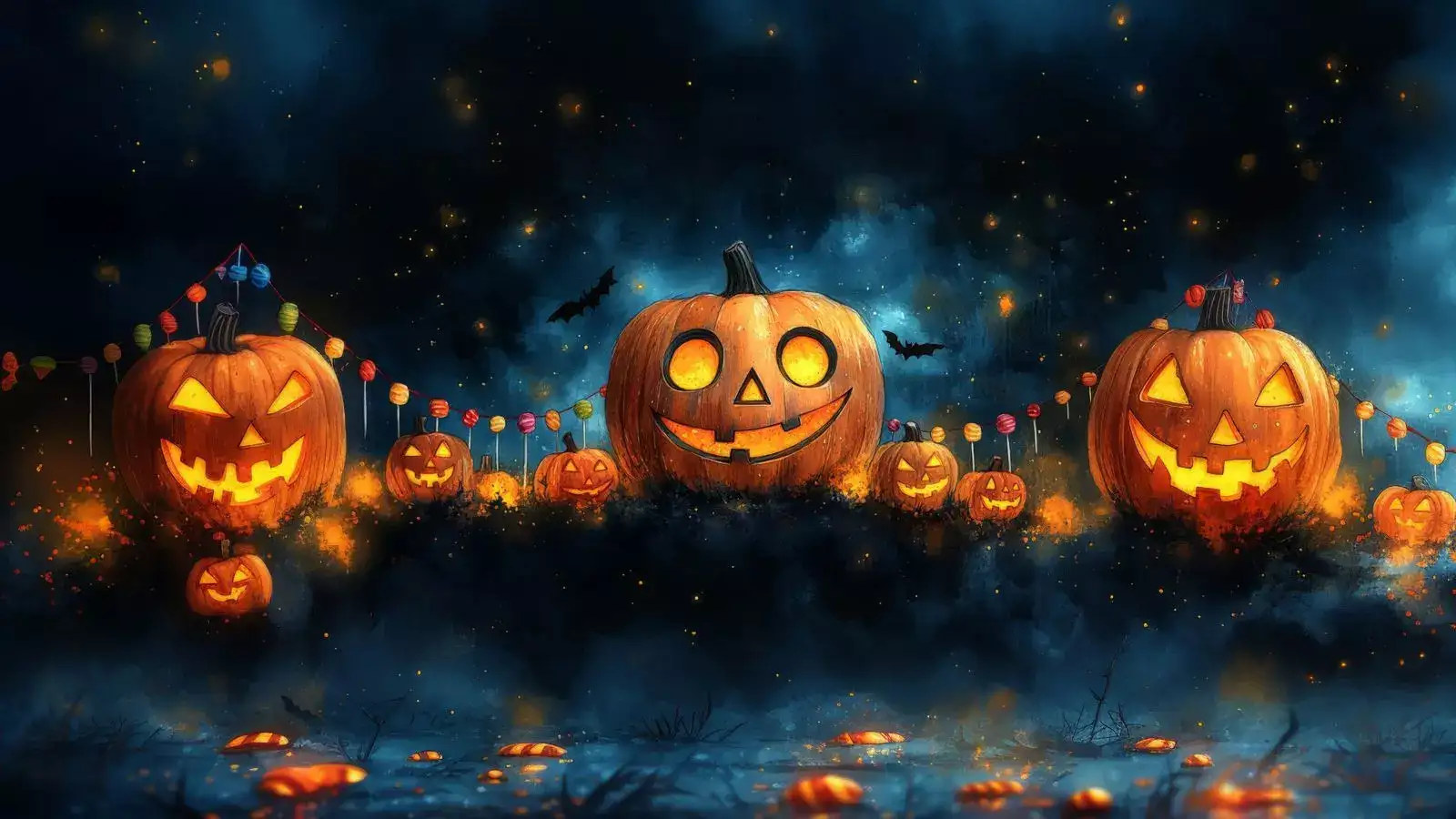
The History of Halloween
Halloween, originally known as Samhain, is an ancient festival celebrated by the Celtic tribes. It marked the end of the harvest season and the onset of winter. The Celts believed that on the night of Samhain, the boundary between the living and the dead became blurred, allowing souls to return to earth. This is why the festival has strong associations with the supernatural.
Why Ghosts on Halloween ?
The practice of dressing up as ghosts on Halloween traces back to Celtic beliefs. On Samhain, people thought that spirits would come to claim their share of the crops. To protect themselves from these wandering souls, they would light bonfires and wear frightening masks to ward off any spirits that might harm them. This tradition evolved over time into what we now recognize as the Halloween custom of wearing spooky costumes.
Pumpkins, often carved into jack-o'-lanterns and placed outside homes, also have their roots in this tradition. The lighted pumpkins were believed to keep evil spirits away, a symbolic gesture still practiced today.
How Halloween Spread Worldwide
The widespread celebration of Halloween began in the 20th century, particularly in the United States, where Irish and Scottish immigrants brought the tradition with them. Over time, it became a mainstream festival, with people of all ages dressing as ghosts, spirits, and other eerie figures. Children began participating in the "trick-or-treating" tradition, going door-to-door in costumes, asking for candy in exchange for a playful "trick."
Halloween in India
Although the trick-or-treating custom has not yet taken root in India, Halloween has gained popularity in metro cities, especially in schools and colleges managed by Christian institutions. Cities like Delhi, Mumbai, Noida, and Bangalore have embraced the festival, with many people dressing as ghosts and other supernatural figures to celebrate on October 31.
While Halloween has ancient origins steeped in Celtic tradition, its global spread has made it a fun and thrilling celebration for people of all ages. Dressing as ghosts and spirits continues to be a way to honor the festival’s spooky heritage, with the trend now making its way into Indian culture as well.
The History of Halloween
Halloween, originally known as Samhain, is an ancient festival celebrated by the Celtic tribes. It marked the end of the harvest season and the onset of winter. The Celts believed that on the night of Samhain, the boundary between the living and the dead became blurred, allowing souls to return to earth. This is why the festival has strong associations with the supernatural.
Why Ghosts on Halloween ?
The practice of dressing up as ghosts on Halloween traces back to Celtic beliefs. On Samhain, people thought that spirits would come to claim their share of the crops. To protect themselves from these wandering souls, they would light bonfires and wear frightening masks to ward off any spirits that might harm them. This tradition evolved over time into what we now recognize as the Halloween custom of wearing spooky costumes.
You may also like
- Potlis to power pieces: It-bags take over weddings
- Future-ready skills beyond the classroom in Indian Higher Education
- Rain or shine, couples are saying 'I do' this monsoon
- This Kerala girl climbed North Africa's highest peak at 8; her father's parenting came down to one question: "I asked her if she wanted to give up... she said a strict no"
- From lullabies to careers: Keeping screens aside
Pumpkins, often carved into jack-o'-lanterns and placed outside homes, also have their roots in this tradition. The lighted pumpkins were believed to keep evil spirits away, a symbolic gesture still practiced today.
How Halloween Spread Worldwide
The widespread celebration of Halloween began in the 20th century, particularly in the United States, where Irish and Scottish immigrants brought the tradition with them. Over time, it became a mainstream festival, with people of all ages dressing as ghosts, spirits, and other eerie figures. Children began participating in the "trick-or-treating" tradition, going door-to-door in costumes, asking for candy in exchange for a playful "trick."
Halloween in India
Although the trick-or-treating custom has not yet taken root in India, Halloween has gained popularity in metro cities, especially in schools and colleges managed by Christian institutions. Cities like Delhi, Mumbai, Noida, and Bangalore have embraced the festival, with many people dressing as ghosts and other supernatural figures to celebrate on October 31.
While Halloween has ancient origins steeped in Celtic tradition, its global spread has made it a fun and thrilling celebration for people of all ages. Dressing as ghosts and spirits continues to be a way to honor the festival’s spooky heritage, with the trend now making its way into Indian culture as well.






Loving Newspoint? Download the app now
