
Is Henna Hair Dye Safe For Natural Hair? Here’s What You Need To Know...

Henna, derived from the Lawsonia inermis plant, has been used for centuries as a natural dye for skin, hair, and even fabrics. While it gives hair a vibrant, glossy finish, it may not be the best choice for all hair types, especially natural hair. Here's why: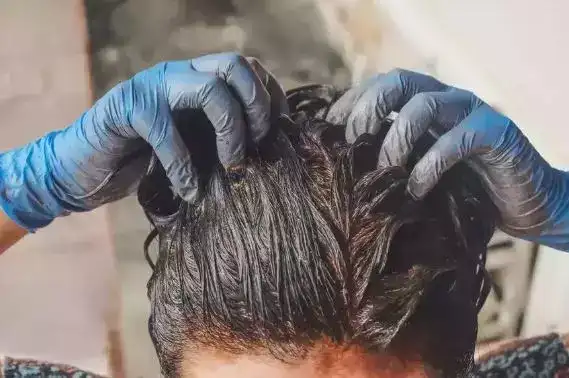
What is Henna?
Henna is a plant-based dye that stains hair, skin, and nails. Unlike black or neutral henna, which contains chemicals, pure henna is free from artificial additives. It’s a permanent stain, making it hard to remove once applied.
Risk of Breakage
Improper use of henna can lead to dry, brittle hair and breakage, particularly for those with delicate or sensitive scalps. Leaving henna on for too long can cause hair to snap when rinsed, leading to unwanted hair fall.
Dryness and Brittleness
One major downside of henna is its drying effect. Without adding moisturizing ingredients like aloe vera or rose water, henna can leave hair feeling rough and parched after it dries. This makes your hair prone to breakage and damage.
Potential Damage
Henna’s permanence can cause problems when used with chemicals or bleach. The strong stain can weaken hair strands, making them more susceptible to hair fall or, in extreme cases, balding. If you want to dye your hair after using henna, avoid products with metallic salts to prevent further damage.
The Bottom Line
Henna can work wonders when used correctly but requires caution. It’s a permanent dye, so improper application can lead to long-lasting color that’s tough to reverse. Be sure to understand your hair type and add moisturizing ingredients to prevent dryness and breakage.
What is Henna?
Henna is a plant-based dye that stains hair, skin, and nails. Unlike black or neutral henna, which contains chemicals, pure henna is free from artificial additives. It’s a permanent stain, making it hard to remove once applied.
Risk of Breakage
Improper use of henna can lead to dry, brittle hair and breakage, particularly for those with delicate or sensitive scalps. Leaving henna on for too long can cause hair to snap when rinsed, leading to unwanted hair fall.
You may also like
- Parents who proudly say 'No screen time' may be missing the point, says leading pediatrician: “It's not some poison”
- Alternatives to Breastfeeding: An Age-Wise Guide and Safe Storage Rules
- The Things Today's Kids May Never Experience That Their Parents Took for Granted
- Roman dress with long sleeves praised by older shoppers for being 'very good value'
- Quick and Easy Bread Rasmalai Recipe for Sweet Cravings
Dryness and Brittleness
One major downside of henna is its drying effect. Without adding moisturizing ingredients like aloe vera or rose water, henna can leave hair feeling rough and parched after it dries. This makes your hair prone to breakage and damage.
Potential Damage
Henna’s permanence can cause problems when used with chemicals or bleach. The strong stain can weaken hair strands, making them more susceptible to hair fall or, in extreme cases, balding. If you want to dye your hair after using henna, avoid products with metallic salts to prevent further damage.
The Bottom Line
Henna can work wonders when used correctly but requires caution. It’s a permanent dye, so improper application can lead to long-lasting color that’s tough to reverse. Be sure to understand your hair type and add moisturizing ingredients to prevent dryness and breakage.






Loving Newspoint? Download the app now
