
Is It Safe For Pregnant Women To Eat Curd at Night?


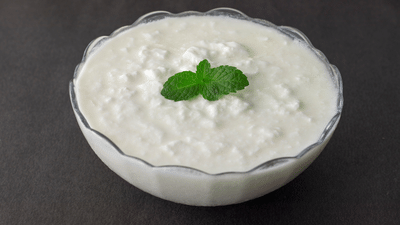
Pregnant women can eat curd at night, and for most, it is completely safe. A small serving of plain, fresh dahi made from pasteurised milk is unlikely to cause any harm during pregnancy. Curd is rich in calcium, protein, and probiotics, all of which benefit both mother and baby regardless of the time of day. However, if you are prone to cough, cold, or sinus congestion, limit nighttime dahi, as it can worsen symptoms in some women. A small katori of plain dahi with dinner is a habit worth keeping throughout pregnancy.
What Does Ayurveda Say About Eating Curd at Night During Pregnancy?
Ayurveda classifies curd as a Kapha-increasing food, meaning it is heavy, cooling, and slightly sticky in quality. Nighttime is also considered a Kapha-dominant period in Ayurvedic physiology. Eating curd at night, according to classical Ayurvedic texts, doubles this effect and may lead to:
According to the Charaka Samhita, one of Ayurveda's foundational classical texts, curd should be consumed during the day when digestive fire (agni) is at its peak. This advice is more cautionary than prohibitive. For women who are constitutionally Kapha-dominant or who are already experiencing a cold or cough during pregnancy, this guidance carries practical value.
What Does Modern Nutrition Say About Eating Curd at Night During Pregnancy?
Modern science does not confirm that eating curd at night causes mucus, cough, or cold in healthy women. Research has shown that while some people perceive increased mucus production after eating dairy at night, objective studies do not support this as a physiological effect. A study found no significant link between dairy intake and mucus production, even in volunteers with an active viral infection.
From a nutritional standpoint, curd at night can offer genuine benefits during pregnancy:
Curd is one of the most nutritionally complete foods in the pregnancy diet. According to ICMR-NIN data, 100g of full-fat dahi provides approximately 149 mg of calcium, 3.1g of protein, vitamin B12, riboflavin, phosphorus, and live probiotic cultures.

Here is what regular consumption of dahi during pregnancy can offer:
Reduced gestational diabetes risk: Researchsuggests that probiotic-rich foods, such as curd, may improve insulin sensitivity during pregnancy, potentially lowering the risk of gestational diabetes. Immune support: The beneficial bacteria in curd support the maternal immune system, which undergoes significant changes during pregnancy to accommodate the growing baby. Reduced allergy risk in baby: Evidencesuggests that consuming probiotics during pregnancy may reduce the likelihood of eczema and allergic disease in the newborn. How Much Curd Should a Pregnant Woman Eat Per Day?
One to two bowls (roughly 200–400g) of plain, fresh curd per day is appropriate for most pregnant women.
This quantity provides a substantial portion of daily calcium needs without the risk of over-consuming dairy.
Portion sizes matter more than timing. Eating more than two large bowls daily can lead to bloating or acidity, particularly in the third trimester.
Which Type of Curd Is Safe in Pregnancy?
Not all curd is equal during pregnancy.
Ways to Include Curd Safely at Night
If you want to eat curd in the evening or at night during pregnancy, try these lighter options that are easier to digest:
Skip curd at night if you:
Whether you’re pregnant, a new mom, or navigating postpartum, you don’t have to do it alone. Join our support group to connect, share, and support one another.
FAQs on Is It Safe For Pregnant Women To Eat Curd At Night?
Is homemade dahi safe during pregnancy?
Yes, if it is made from boiled, cooled, pasteurised milk. Dahi set from raw, unpasteurised milk carries the risk of Listeria infection, which can be harmful during pregnancy. Always use pasteurised milk when making dahi at home.
What Does Ayurveda Say About Eating Curd at Night During Pregnancy?
Ayurveda classifies curd as a Kapha-increasing food, meaning it is heavy, cooling, and slightly sticky in quality. Nighttime is also considered a Kapha-dominant period in Ayurvedic physiology. Eating curd at night, according to classical Ayurvedic texts, doubles this effect and may lead to:
- Mucus build-up in the respiratory tract
- Nasal congestion or mild sinus discomfort
- A heavier feeling during digestion
According to the Charaka Samhita, one of Ayurveda's foundational classical texts, curd should be consumed during the day when digestive fire (agni) is at its peak. This advice is more cautionary than prohibitive. For women who are constitutionally Kapha-dominant or who are already experiencing a cold or cough during pregnancy, this guidance carries practical value.
What Does Modern Nutrition Say About Eating Curd at Night During Pregnancy?
Modern science does not confirm that eating curd at night causes mucus, cough, or cold in healthy women. Research has shown that while some people perceive increased mucus production after eating dairy at night, objective studies do not support this as a physiological effect. A study found no significant link between dairy intake and mucus production, even in volunteers with an active viral infection.
From a nutritional standpoint, curd at night can offer genuine benefits during pregnancy:
- Protein supports overnight muscle and tissue repair
- Calcium continues to support foetal bone development regardless of timing
- Probiotics work in the gut overnight and may support digestive regularity
Curd is one of the most nutritionally complete foods in the pregnancy diet. According to ICMR-NIN data, 100g of full-fat dahi provides approximately 149 mg of calcium, 3.1g of protein, vitamin B12, riboflavin, phosphorus, and live probiotic cultures.
Here is what regular consumption of dahi during pregnancy can offer:
- Foetal bone development: Calcium in curd supports the growth of your baby's bones and teeth from the first trimester. Pregnant women require higher calcium intake, and dahi consumed twice daily (around 400g total) can contribute meaningfully to meeting this need.
- Digestive comfort: Hormonal changes during pregnancy slow digestion, causing constipation and bloating. The probiotics in curd help maintain a healthy gut environment and can ease these symptoms.
- Blood pressure support: Potassium and calcium in curd may help regulate blood pressure. Uncontrolled blood pressure during pregnancy raises the risk of preeclampsia, and daily curd consumption is one dietary factor associated with lower BP levels.
One to two bowls (roughly 200–400g) of plain, fresh curd per day is appropriate for most pregnant women.
This quantity provides a substantial portion of daily calcium needs without the risk of over-consuming dairy.
Portion sizes matter more than timing. Eating more than two large bowls daily can lead to bloating or acidity, particularly in the third trimester.
Which Type of Curd Is Safe in Pregnancy?
Not all curd is equal during pregnancy.
- Safe: Fresh, plain curd set from pasteurised milk, homemade or packaged
- Avoid: Curd made from raw or unpasteurised milk. It may carry Listeria monocytogenes, a bacterium that can cause miscarriage, stillbirth, or serious illness in the newborn
- Avoid: Flavoured or sweetened curd products. These carry high amounts of added sugar, excess calories, and artificial additives, none of which are helpful in pregnancy
- Prefer: Room temperature dahi rather than curd straight from the refrigerator, especially at night, as cold food slows digestion
If you want to eat curd in the evening or at night during pregnancy, try these lighter options that are easier to digest:
- Buttermilk: Thinner than curd, easier on digestion, and Ayurveda-approved for evenings. Mix with cumin, coriander, and a pinch of rock salt.
- Curd rice: A South Indian staple, rice mixed with curd and tempered with mustard seeds, curry leaves, and green chilli. Light, comforting, and nutritious.
- Plain dahi with a pinch of roasted jeera: Aids digestion and reduces bloating.
- Small portion as a meal accompaniment: A small katori of plain dahi alongside roti and sabzi is fine for most women.
Skip curd at night if you:
- Have an active cold, cough, or sinus congestion
- Experience acid reflux or heartburn at night (common in the third trimester)
- Have gestational diabetesand are eating sweetened or flavoured curd varieties
- Are lactose intolerant; even small amounts at night may cause bloating, gas, or diarrhoea
Whether you’re pregnant, a new mom, or navigating postpartum, you don’t have to do it alone. Join our support group to connect, share, and support one another.
FAQs on Is It Safe For Pregnant Women To Eat Curd At Night?
Yes, if it is made from boiled, cooled, pasteurised milk. Dahi set from raw, unpasteurised milk carries the risk of Listeria infection, which can be harmful during pregnancy. Always use pasteurised milk when making dahi at home.
Next Story