
Pomegranate vs Pomegranate Juice: Which Is Healthier for You?

Pomegranate is often praised as a superfruit packed with antioxidants, vitamins, and plant compounds that support overall wellness. But when it comes to choosing between eating whole pomegranate seeds or drinking its juice, the health benefits are not exactly the same. Both forms offer nutrients, yet their fiber content, sugar concentration, and absorption differ in meaningful ways.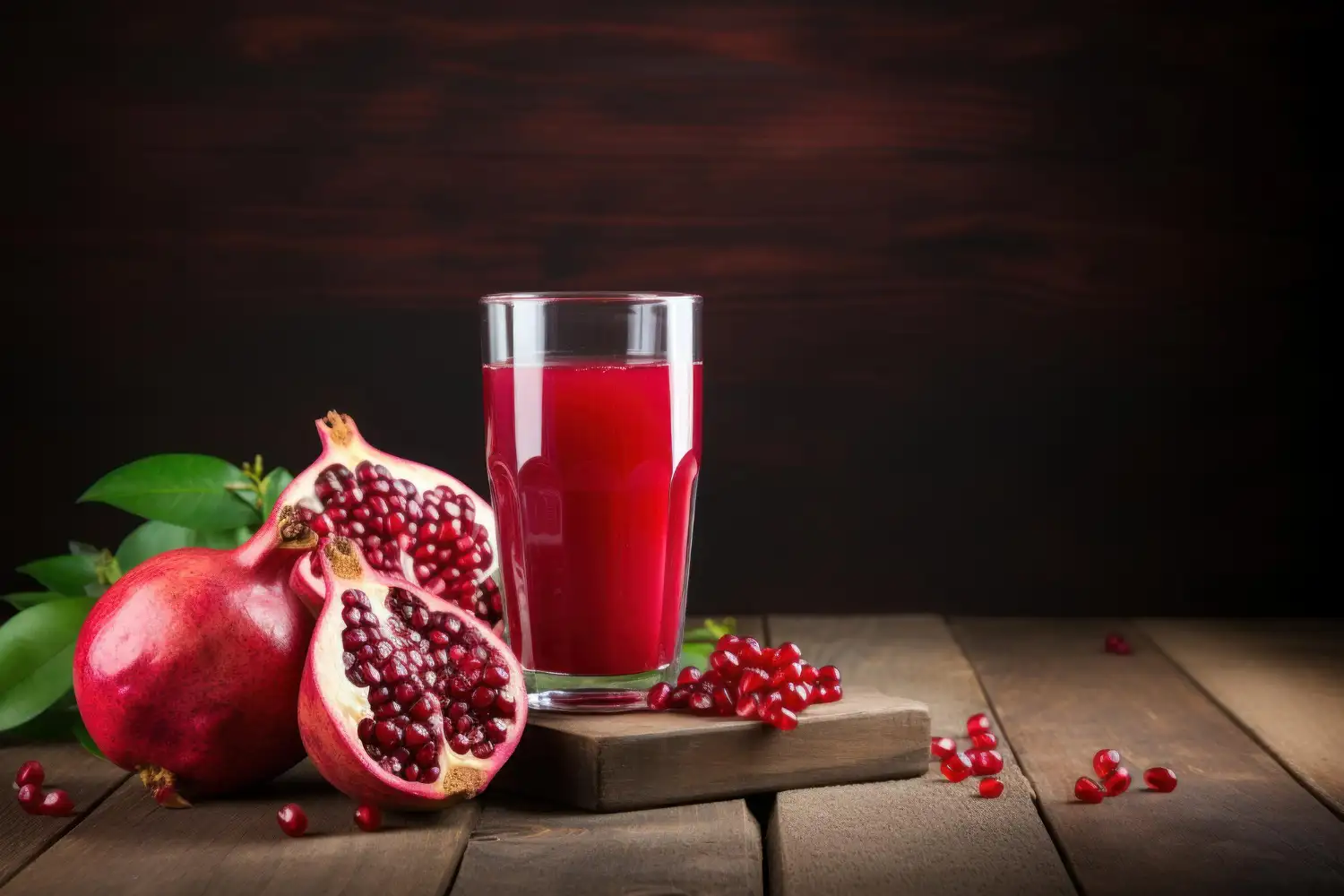
Nutrient Profile of Pomegranate
Whole pomegranate contains juicy red arils rich in vitamin C, vitamin K, potassium, and powerful antioxidants like punicalagins and anthocyanins. These compounds are linked to heart health, reduced inflammation, and improved skin vitality. The natural fiber in the seeds also supports digestion and helps regulate blood sugar levels.
What Happens in Pomegranate Juice
Pomegranate juice delivers many of the same antioxidants but in a more concentrated and fast-absorbing form. It is especially rich in polyphenols that may help improve blood flow and support cardiovascular health. However, most commercial or even fresh juice lacks the fiber found in the whole fruit, and the natural sugars become more concentrated.
Whole Fruit vs Juice: Key Differences
Eating the whole fruit provides fiber, which slows sugar absorption and keeps you full for longer. This makes it a better choice for weight management and gut health. On the other hand, juice is easier to consume and may offer quicker antioxidant absorption, which can be beneficial after workouts or during recovery periods.
However, the downside of juice is its higher glycemic impact and the tendency to overconsume calories without feeling full.
Which One Is Healthier?
If the goal is everyday wellness, digestion support, and balanced blood sugar, eating whole pomegranate is the better option. If the focus is quick nutrition, hydration, or heart-health support, pomegranate juice can still be beneficial in moderation.
Ideally, both can be included in a balanced diet, but whole fruit should be the primary choice.
Disclaimer: This article is for informational purposes only and should not be considered medical or nutritional advice. Individual dietary needs and health conditions vary. If you have diabetes, kidney disease, are taking medications, or have any underlying medical condition, consult a qualified healthcare professional or registered dietitian before making significant changes to your diet.
Nutrient Profile of Pomegranate
Whole pomegranate contains juicy red arils rich in vitamin C, vitamin K, potassium, and powerful antioxidants like punicalagins and anthocyanins. These compounds are linked to heart health, reduced inflammation, and improved skin vitality. The natural fiber in the seeds also supports digestion and helps regulate blood sugar levels. What Happens in Pomegranate Juice
Pomegranate juice delivers many of the same antioxidants but in a more concentrated and fast-absorbing form. It is especially rich in polyphenols that may help improve blood flow and support cardiovascular health. However, most commercial or even fresh juice lacks the fiber found in the whole fruit, and the natural sugars become more concentrated.You may also like
- Revamped Anemia-Free India Campaign: New Guidelines Unveiled
- “Our daughter is not a defective toy”: They were told to 'replace' her and what her parents did will remain an example forever
- Essential Tips for Maintaining a Fresh Wardrobe During the Rainy Season
- Unlocking the Health Benefits of Flavanols: A Guide to Better Nutrition
- Understanding Maternal Heart Health: The Importance of Postpartum Care
Whole Fruit vs Juice: Key Differences
Eating the whole fruit provides fiber, which slows sugar absorption and keeps you full for longer. This makes it a better choice for weight management and gut health. On the other hand, juice is easier to consume and may offer quicker antioxidant absorption, which can be beneficial after workouts or during recovery periods. However, the downside of juice is its higher glycemic impact and the tendency to overconsume calories without feeling full.
Which One Is Healthier?
If the goal is everyday wellness, digestion support, and balanced blood sugar, eating whole pomegranate is the better option. If the focus is quick nutrition, hydration, or heart-health support, pomegranate juice can still be beneficial in moderation. Ideally, both can be included in a balanced diet, but whole fruit should be the primary choice.
Disclaimer: This article is for informational purposes only and should not be considered medical or nutritional advice. Individual dietary needs and health conditions vary. If you have diabetes, kidney disease, are taking medications, or have any underlying medical condition, consult a qualified healthcare professional or registered dietitian before making significant changes to your diet.






More from our partners


Loving Newspoint? Download the app now
