Understanding Sleep Divorce: Benefits & Considerations

In recent years, the concept of 'sleep divorce' has gained attention as more couples seek ways to improve their sleep quality and overall well-being. Despite its somewhat misleading name, sleep divorce doesn't signify the end of a relationship but rather a strategic decision to sleep separately. This practice aims to address sleep disturbances and enhance the quality of rest, ultimately benefiting both partners. In this article, we'll delve into what sleep divorce entails and explore the various advantages it offers.
What is Sleep Divorce?
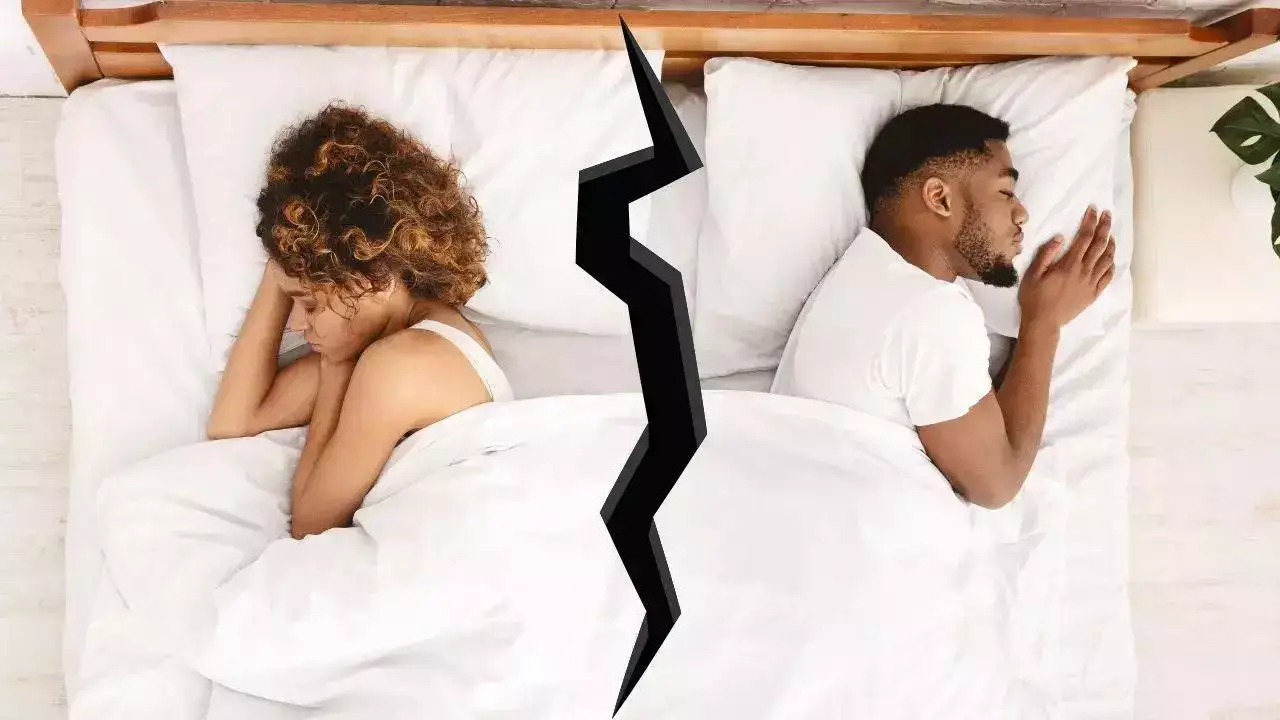
Sleep divorce refers to the arrangement where partners sleep in separate beds or even separate bedrooms to improve their sleep quality. This decision is often made to address issues like snoring, different sleep schedules, restlessness, or other factors that disrupt sleep. The primary goal is to ensure that both partners get the restorative sleep they need without compromising their relationship's health. It's important to note that sleep divorce is not a sign of marital problems but rather a proactive approach to enhancing well-being.
Benefits of Sleep Divorce: Improved Sleep Quality
One of the most significant benefits of sleep divorce is the improvement in sleep quality. Many couples experience disturbances due to snoring, tossing and turning, or differing sleep schedules. Sleeping separately can eliminate these disruptions, allowing each partner to enjoy uninterrupted sleep. Better sleep quality leads to increased energy levels, improved mood, and enhanced cognitive function, positively impacting daily life.
Enhanced Relationship Satisfaction
While it might seem counterintuitive, sleep divorce can actually enhance relationship satisfaction. Quality sleep is essential for emotional regulation and mental health. When both partners are well-rested, they are more likely to be patient, understanding, and communicative. By reducing sleep-related conflicts and irritability, couples can experience a stronger emotional connection and greater overall relationship satisfaction.
Personal Space and Independence
Sharing a bed can sometimes lead to feelings of crowdedness and a lack of personal space. Sleep divorce allows each partner to have their own space, contributing to a sense of independence and autonomy. This arrangement can be especially beneficial for individuals who require more room to move during sleep or who have specific comfort preferences, such as different mattress types or bedding.
What is Sleep Divorce?
Sleep divorce refers to the arrangement where partners sleep in separate beds or even separate bedrooms to improve their sleep quality. This decision is often made to address issues like snoring, different sleep schedules, restlessness, or other factors that disrupt sleep. The primary goal is to ensure that both partners get the restorative sleep they need without compromising their relationship's health. It's important to note that sleep divorce is not a sign of marital problems but rather a proactive approach to enhancing well-being.
Benefits of Sleep Divorce: Improved Sleep Quality
One of the most significant benefits of sleep divorce is the improvement in sleep quality. Many couples experience disturbances due to snoring, tossing and turning, or differing sleep schedules. Sleeping separately can eliminate these disruptions, allowing each partner to enjoy uninterrupted sleep. Better sleep quality leads to increased energy levels, improved mood, and enhanced cognitive function, positively impacting daily life.
Enhanced Relationship Satisfaction
While it might seem counterintuitive, sleep divorce can actually enhance relationship satisfaction. Quality sleep is essential for emotional regulation and mental health. When both partners are well-rested, they are more likely to be patient, understanding, and communicative. By reducing sleep-related conflicts and irritability, couples can experience a stronger emotional connection and greater overall relationship satisfaction.
Personal Space and Independence
Sharing a bed can sometimes lead to feelings of crowdedness and a lack of personal space. Sleep divorce allows each partner to have their own space, contributing to a sense of independence and autonomy. This arrangement can be especially beneficial for individuals who require more room to move during sleep or who have specific comfort preferences, such as different mattress types or bedding.
Next Story