Is Your Home Safe for Your Pets? The Ultimate Pet-Proofing Guide

Bringing a pet into your home is a rewarding experience, but it also comes with responsibilities. Just as parents baby-proof their homes for little ones, pet owners must take precautions to ensure their furry (or feathery or scaly) friends stay safe. From hidden dangers to destructive behaviors, pet-proofing your home can save you from expensive vet bills and household damage. Here’s how to create a pet-friendly environment while maintaining a well-kept home.
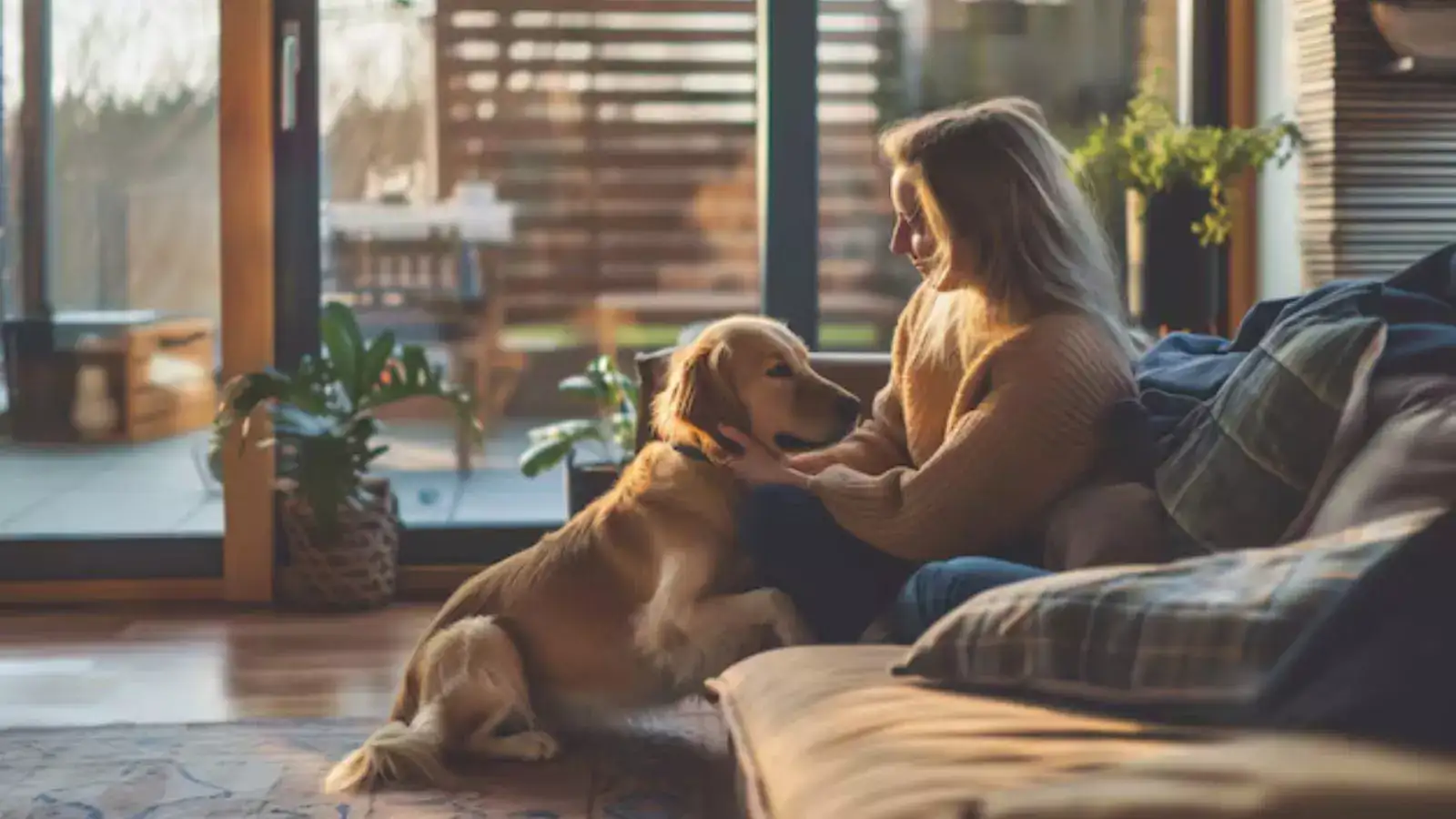
Hero Image


Secure Hazardous Items
Pets are naturally curious, and they love to explore new scents, textures, and objects. However, some household items can be dangerous for them.

Toxic Foods & Plants: Keep foods like chocolate, grapes, onions, and xylitol-sweetened products out of reach. Also, research pet-safe houseplants—lilies, aloe, and pothos are toxic to many animals.


Cleaning Supplies & Medications: Store detergents, disinfectants, and human medications in locked cabinets or high shelves.

Sharp or Small Objects: Items like sewing needles, hairpins, and rubber bands can be choking hazards, so keep them away from curious paws.

Protect Your Furniture & Floors

Pets can unintentionally damage furniture and floors, but with some preparation, you can minimize the impact.


Use Pet-Friendly Covers: Invest in washable furniture covers or pet-proof fabric to prevent fur, scratches, and accidents from ruining your couch.

Provide Scratch Alternatives: If you have cats, scratching posts are a must to keep them from clawing furniture and rugs.

Trim Nails & Use Rugs: Regularly trim your pet’s nails to prevent floor scratches, and use rugs in high-traffic areas to protect flooring.

Manage Electrical Cords & Cables

Electrical cords can be tempting for pets to chew, which poses both an electrocution risk and the potential for expensive repairs.

Cover Cords: Use cord protectors or hide them behind furniture to keep them out of reach.


Provide Chew Toys: If your pet loves to chew, make sure they have plenty of safe alternatives.

Secure Trash Cans & Food Storage

Pets are notorious for digging through the trash in search of snacks, which can be dangerous.

Use Lidded Trash Bins: A sturdy, lidded trash can prevents pets from scavenging and eating harmful items.

Store Pet Food Properly: Keep pet food in airtight containers to prevent contamination and overeating.

Block Off Dangerous Areas
Certain rooms or areas in your home may be unsafe for pets, requiring barriers.

Use Baby Gates: Block off staircases, kitchens, or other off-limits areas.