
Planning a Wedding? 5 Traditional Items Thought to Bring Good Fortune

Wedding preparations in India are filled with excitement, emotions, and meaningful traditions. Shopping for clothes, jewelry, and decorations is an important part of the process, but many families also follow certain customs that are believed to invite good fortune.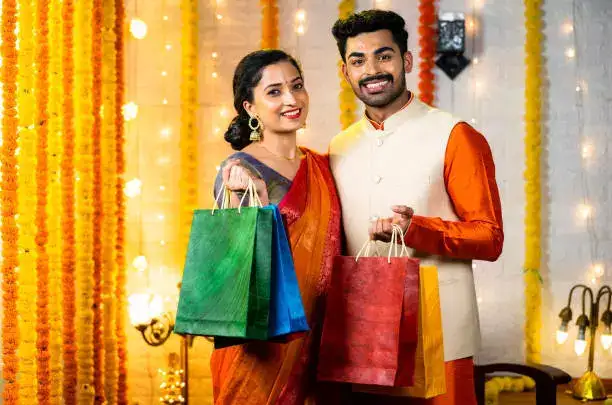
In several Indian traditions, people recommend buying a few symbolic items before beginning major wedding shopping. These items are considered signs of prosperity, positivity, and divine blessings for the couple as they step into a new chapter of life. While the belief may vary across regions and communities, many families still follow these traditions as a way of starting the wedding journey on an auspicious note.
Here are five items that are commonly believed to bring good luck when purchased at the beginning of wedding shopping.
1. Betel Nut (Supari)
Betel nut, often called supari, holds an important place in many Hindu rituals. It is commonly offered to Lord Ganesha during prayers and ceremonies. Since Lord Ganesha is believed to remove obstacles and bring success, beginning wedding preparations by purchasing supari is considered a positive step.
Many families believe that offering supari during prayers before the wedding helps ensure that the celebrations go smoothly and without unexpected problems. It is a simple yet meaningful symbol of seeking divine blessings for the couple’s new life together.
2. Salt
Salt may seem like an ordinary kitchen ingredient, but in many cultures it is associated with protection and purification. Traditional beliefs suggest that salt has the ability to absorb negative energy and create a balanced environment.
Because of this symbolism, some families prefer to buy salt before starting wedding shopping. It is believed to help keep negativity away and bring harmony to the celebrations. The idea behind this tradition is to ensure that the wedding atmosphere remains joyful and peaceful for everyone involved.
3. Jaggery (Gur)
Jaggery, known as gur, represents sweetness and warmth in relationships. Since it has a naturally sweet taste, it is often linked with happiness, harmony, and affection.
Buying jaggery at the beginning of wedding preparations is believed to symbolize a sweet and loving start to married life. The tradition reflects a hope that the couple’s relationship will be filled with understanding, kindness, and joyful moments. It also reminds families that marriage should bring warmth and positivity into everyday life.
4. Kalava (Holy Thread)
Kalava, also known as a sacred or holy thread, is commonly used in Hindu religious ceremonies. It is tied around the wrist during prayers and rituals as a symbol of protection and divine blessings.
Many people believe that buying kalava before starting wedding shopping invites spiritual strength and positive energy. It represents faith, protection, and a strong bond. During wedding rituals, the thread often becomes part of ceremonies that symbolize unity and commitment between the couple.
5. Kumkum or Roli
Kumkum or roli is a bright red powder used in many Hindu rituals and celebrations. It is applied on the forehead as a tilak and is often used to mark auspicious occasions.
In wedding traditions, kumkum symbolizes prosperity, respect, and good fortune. Buying kumkum before wedding shopping is believed to bring positivity and blessings for the couple’s new journey. It also represents the sacred and joyful nature of marriage in many Indian households.
Beginning Wedding Preparations on a Positive Note
Wedding traditions in India are deeply connected to culture, faith, and family values. While modern wedding planning often focuses on fashion and venues, these small customs continue to hold emotional meaning for many families.
Starting wedding shopping with symbolic items like supari, salt, jaggery, kalava, and kumkum is believed to invite positivity and blessings. Whether followed as a cultural ritual or simply as a family tradition, these practices remind everyone that a wedding is not just an event but the beginning of a meaningful new journey for the couple.
In several Indian traditions, people recommend buying a few symbolic items before beginning major wedding shopping. These items are considered signs of prosperity, positivity, and divine blessings for the couple as they step into a new chapter of life. While the belief may vary across regions and communities, many families still follow these traditions as a way of starting the wedding journey on an auspicious note.
Here are five items that are commonly believed to bring good luck when purchased at the beginning of wedding shopping.
1. Betel Nut (Supari)
Betel nut, often called supari, holds an important place in many Hindu rituals. It is commonly offered to Lord Ganesha during prayers and ceremonies. Since Lord Ganesha is believed to remove obstacles and bring success, beginning wedding preparations by purchasing supari is considered a positive step. Many families believe that offering supari during prayers before the wedding helps ensure that the celebrations go smoothly and without unexpected problems. It is a simple yet meaningful symbol of seeking divine blessings for the couple’s new life together.
2. Salt
Salt may seem like an ordinary kitchen ingredient, but in many cultures it is associated with protection and purification. Traditional beliefs suggest that salt has the ability to absorb negative energy and create a balanced environment. Because of this symbolism, some families prefer to buy salt before starting wedding shopping. It is believed to help keep negativity away and bring harmony to the celebrations. The idea behind this tradition is to ensure that the wedding atmosphere remains joyful and peaceful for everyone involved.
3. Jaggery (Gur)
Jaggery, known as gur, represents sweetness and warmth in relationships. Since it has a naturally sweet taste, it is often linked with happiness, harmony, and affection. Buying jaggery at the beginning of wedding preparations is believed to symbolize a sweet and loving start to married life. The tradition reflects a hope that the couple’s relationship will be filled with understanding, kindness, and joyful moments. It also reminds families that marriage should bring warmth and positivity into everyday life.
You may also like
- Word of the day: Bollard
- Makeup brand giving away 1,000s of free driving lessons because their primer is so strong
- Quote of the Day by Confucius, "When you see a worthy person, endeavor to emulate him. When you see an unworthy person, then...."
- 'I knew we had to prevent a priceless treasure being lost forever': Inside Dumfries House, Scotland's timeless property King Charles saved
- Fashion quote of the day by Iris Apfel: 'Jewellery is the most transformative thing you can wear'
4. Kalava (Holy Thread)
Kalava, also known as a sacred or holy thread, is commonly used in Hindu religious ceremonies. It is tied around the wrist during prayers and rituals as a symbol of protection and divine blessings. Many people believe that buying kalava before starting wedding shopping invites spiritual strength and positive energy. It represents faith, protection, and a strong bond. During wedding rituals, the thread often becomes part of ceremonies that symbolize unity and commitment between the couple.
5. Kumkum or Roli
Kumkum or roli is a bright red powder used in many Hindu rituals and celebrations. It is applied on the forehead as a tilak and is often used to mark auspicious occasions. In wedding traditions, kumkum symbolizes prosperity, respect, and good fortune. Buying kumkum before wedding shopping is believed to bring positivity and blessings for the couple’s new journey. It also represents the sacred and joyful nature of marriage in many Indian households.
Beginning Wedding Preparations on a Positive Note
Wedding traditions in India are deeply connected to culture, faith, and family values. While modern wedding planning often focuses on fashion and venues, these small customs continue to hold emotional meaning for many families.Starting wedding shopping with symbolic items like supari, salt, jaggery, kalava, and kumkum is believed to invite positivity and blessings. Whether followed as a cultural ritual or simply as a family tradition, these practices remind everyone that a wedding is not just an event but the beginning of a meaningful new journey for the couple.






Loving Newspoint? Download the app now
