
Japanese Parenting Secrets That Encourage Responsibility and Respect

Parenting styles vary around the world, but some cultures quietly build valuable life lessons into everyday routines. In Japan, many parenting practices are less about strict rules and more about teaching children respect, empathy, responsibility, and gratitude through daily experiences. From simple greetings to shared household duties, these habits help shape confident and considerate individuals. Here are ten Japanese parenting approaches that offer meaningful lessons for families everywhere.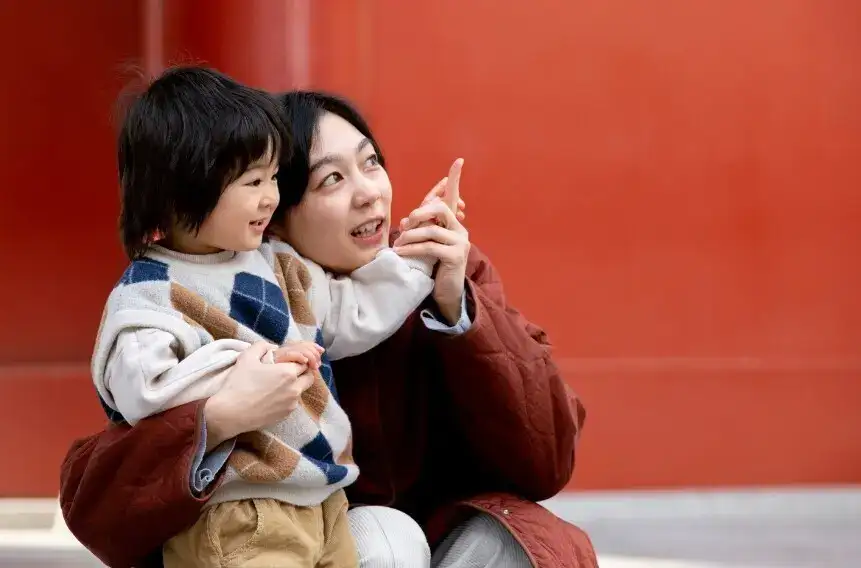
1. Beginning the Day With Respectful Greetings
In Japan, greeting others is more than good manners. Children learn from an early age to acknowledge teachers, neighbours, classmates, and family members through daily greetings. These simple interactions encourage awareness of others and help children understand the importance of respect and human connection.
2. Teaching Responsibility Through Daily Chores
Rather than doing everything for their children, many Japanese parents involve them in everyday tasks such as tidying toys, folding clothes, or clearing the table. The goal is not perfection but participation. By helping care for their surroundings, children learn responsibility and develop a sense of ownership over shared spaces.
3. Encouraging Care for Belongings
Japanese culture often promotes treating possessions with respect. Children are taught to look after books, school supplies, and personal items carefully. This habit goes beyond protecting objects, it helps build mindfulness, appreciation, and an understanding that things should not be taken for granted.
4. Helping Children Understand Other People's Feelings
When conflicts arise, parents often encourage children to think about how others may feel rather than focusing only on rules. This approach helps children develop empathy and recognise the impact of their actions. Over time, they learn to build stronger and more thoughtful relationships.
5. Making Sharing a Positive Experience
Acts of generosity are encouraged from an early age. Whether sharing toys, helping a friend, or taking turns, children learn that giving is a rewarding experience. Through these small acts, kindness becomes a natural part of daily life rather than an occasional lesson.
6. Creating Clear Boundaries Between Home and Outside Life
Removing shoes before entering the house is a familiar Japanese custom. While it helps keep homes clean, it also creates a symbolic transition from the outside world to a calm and organised living space. For children, this simple routine reinforces discipline and respect for their environment.
7. Focusing Fully on One Activity at a Time
In a world full of distractions, Japanese parenting often encourages children to stay present in the moment. Whether eating, reading, drawing, or helping with chores, children are guided to give their full attention to the task at hand. This practice helps strengthen concentration and patience over time.
8. Turning Mealtimes Into Lessons in Gratitude
Before meals, many Japanese families pause to express thanks for the food before them. Children learn that every meal represents the efforts of farmers, transport workers, shopkeepers, and family members who prepared it. This simple ritual nurtures appreciation and awareness of the people behind everyday comforts.
9. Practising Consideration in Shared Spaces
Children are often encouraged to think about others before acting. A common example is waiting before taking the last piece of food from a shared plate. These small moments teach self-restraint and help children balance personal desires with the needs of the group.
10. Leading by Example With Calm Behaviour
Children learn a great deal by watching adults. Japanese parenting often emphasises maintaining a calm and thoughtful atmosphere at home. Patience, self-control, and respectful communication are demonstrated through daily interactions, allowing children to absorb these qualities naturally through observation.
Small Habits, Lasting Lessons
The strength of Japanese parenting lies in its focus on everyday moments. Respect, gratitude, empathy, and responsibility are woven into daily routines rather than taught through formal lessons. These simple habits may seem small, but together they help children develop the skills and values needed to navigate life with confidence and consideration.
1. Beginning the Day With Respectful Greetings
In Japan, greeting others is more than good manners. Children learn from an early age to acknowledge teachers, neighbours, classmates, and family members through daily greetings. These simple interactions encourage awareness of others and help children understand the importance of respect and human connection. 2. Teaching Responsibility Through Daily Chores
Rather than doing everything for their children, many Japanese parents involve them in everyday tasks such as tidying toys, folding clothes, or clearing the table. The goal is not perfection but participation. By helping care for their surroundings, children learn responsibility and develop a sense of ownership over shared spaces.3. Encouraging Care for Belongings
Japanese culture often promotes treating possessions with respect. Children are taught to look after books, school supplies, and personal items carefully. This habit goes beyond protecting objects, it helps build mindfulness, appreciation, and an understanding that things should not be taken for granted. 4. Helping Children Understand Other People's Feelings
When conflicts arise, parents often encourage children to think about how others may feel rather than focusing only on rules. This approach helps children develop empathy and recognise the impact of their actions. Over time, they learn to build stronger and more thoughtful relationships.5. Making Sharing a Positive Experience
Acts of generosity are encouraged from an early age. Whether sharing toys, helping a friend, or taking turns, children learn that giving is a rewarding experience. Through these small acts, kindness becomes a natural part of daily life rather than an occasional lesson. 6. Creating Clear Boundaries Between Home and Outside Life
Removing shoes before entering the house is a familiar Japanese custom. While it helps keep homes clean, it also creates a symbolic transition from the outside world to a calm and organised living space. For children, this simple routine reinforces discipline and respect for their environment. 7. Focusing Fully on One Activity at a Time
In a world full of distractions, Japanese parenting often encourages children to stay present in the moment. Whether eating, reading, drawing, or helping with chores, children are guided to give their full attention to the task at hand. This practice helps strengthen concentration and patience over time. 8. Turning Mealtimes Into Lessons in Gratitude
Before meals, many Japanese families pause to express thanks for the food before them. Children learn that every meal represents the efforts of farmers, transport workers, shopkeepers, and family members who prepared it. This simple ritual nurtures appreciation and awareness of the people behind everyday comforts.9. Practising Consideration in Shared Spaces
Children are often encouraged to think about others before acting. A common example is waiting before taking the last piece of food from a shared plate. These small moments teach self-restraint and help children balance personal desires with the needs of the group. 10. Leading by Example With Calm Behaviour
Children learn a great deal by watching adults. Japanese parenting often emphasises maintaining a calm and thoughtful atmosphere at home. Patience, self-control, and respectful communication are demonstrated through daily interactions, allowing children to absorb these qualities naturally through observation. Small Habits, Lasting Lessons
The strength of Japanese parenting lies in its focus on everyday moments. Respect, gratitude, empathy, and responsibility are woven into daily routines rather than taught through formal lessons. These simple habits may seem small, but together they help children develop the skills and values needed to navigate life with confidence and consideration. Next Story