
Why Jet Lag Feels Worse When You Travel East

You land in a new country, check the time and realise it is nowhere near the time your body thinks it is. You may feel exhausted in the middle of the day or strangely awake when everyone else is asleep. This is jet lag, and travelling east can make the adjustment particularly noticeable. The reason comes down to your body clock. While the local time changes as soon as you land, your internal rhythm needs time to catch up with the new schedule.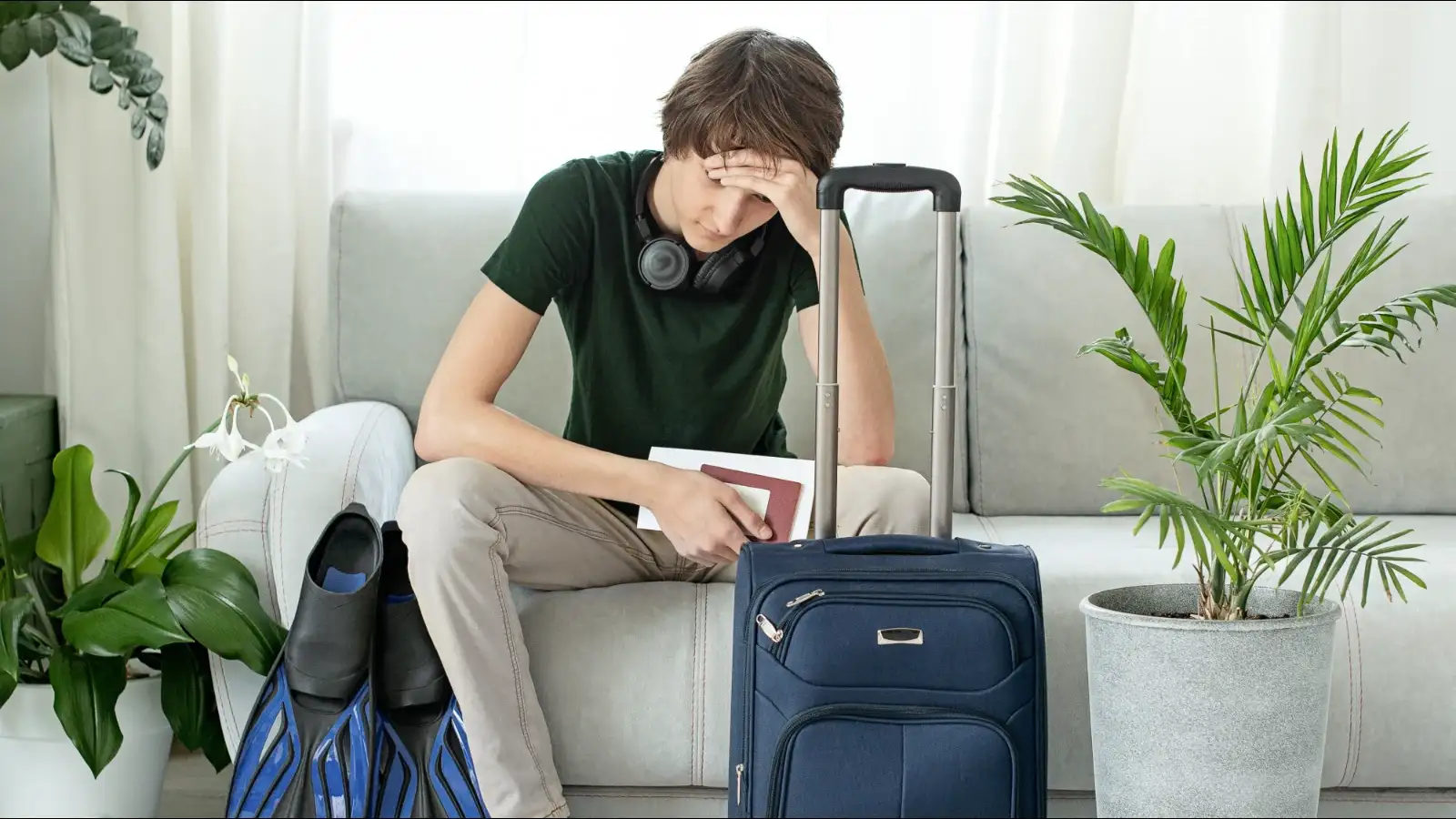
This internal body clock does not immediately reset when you cross into another time zone. Instead, it continues following the schedule it has become accustomed to.
That is why jet lag can feel so strange. Your surroundings may say it is morning, afternoon or night, while your body is still operating according to the timing of the place you left.
The result is a temporary mismatch between your internal rhythm and the local time.
That means your body needs to adjust to an earlier schedule.
If your body is used to sleeping and waking at certain times, suddenly having to shift those times earlier can be difficult.
You may arrive at your destination when it is time to start the day but still feel as though you should be asleep. Later, when bedtime arrives, your body may not feel ready to sleep.
The local clock has moved forward, but your internal clock needs more time.
When you travel east, the adjustment involves moving your body clock earlier.
That can create an awkward situation. You may need to fall asleep earlier than your body expects, then wake earlier than it is naturally prepared to.
This can make the transition feel particularly uncomfortable.
It is not simply the number on the clock that changes. Your entire sleep and wake schedule has to catch up with that change.
Your phone changes to the local time. Airport clocks show the new time. Hotel clocks follow it too.
Your body, however, does not instantly make the same adjustment.
This is why you can know exactly what time it is and still feel as though the time is completely wrong.
Your internal rhythm is working on a different schedule, creating that familiar feeling of being out of sync.
You might feel tired when you want to explore, struggle to stay awake during the day or find yourself wide awake when you would rather be sleeping.
The problem is essentially a timing mismatch.
Your destination has already moved on to its new schedule. Your body is still adjusting.
Travelling east asks your internal rhythm to move earlier, which can make the adjustment feel difficult.
So when you arrive at a new destination and feel exhausted at an odd hour, there is a simple explanation. Your surroundings have already changed time, but your body is still catching up.
That strange feeling of being awake at the wrong time is your internal clock trying to find its place in a completely new schedule.
Your Body Has Its Own Timekeeper
Your body follows an internal rhythm that helps regulate your sleep and wake cycle.This internal body clock does not immediately reset when you cross into another time zone. Instead, it continues following the schedule it has become accustomed to.
That is why jet lag can feel so strange. Your surroundings may say it is morning, afternoon or night, while your body is still operating according to the timing of the place you left.
The result is a temporary mismatch between your internal rhythm and the local time.
What Changes When You Travel East?
Travelling east means moving towards a time zone where the clock is ahead.That means your body needs to adjust to an earlier schedule.
If your body is used to sleeping and waking at certain times, suddenly having to shift those times earlier can be difficult.
You may arrive at your destination when it is time to start the day but still feel as though you should be asleep. Later, when bedtime arrives, your body may not feel ready to sleep.
The local clock has moved forward, but your internal clock needs more time.
Why The Direction Matters
The direction of travel matters because your body has to adjust differently depending on where you are going.When you travel east, the adjustment involves moving your body clock earlier.
That can create an awkward situation. You may need to fall asleep earlier than your body expects, then wake earlier than it is naturally prepared to.
This can make the transition feel particularly uncomfortable.
It is not simply the number on the clock that changes. Your entire sleep and wake schedule has to catch up with that change.
Your Phone Adjusts Faster Than You Do
One of the strangest parts of jet lag is how quickly everything around you adapts.Your phone changes to the local time. Airport clocks show the new time. Hotel clocks follow it too.
Your body, however, does not instantly make the same adjustment.
This is why you can know exactly what time it is and still feel as though the time is completely wrong.
Your internal rhythm is working on a different schedule, creating that familiar feeling of being out of sync.
Sleep Is Not The Only Thing Affected
Jet lag is often associated with sleep, but the experience can make you feel generally out of step with your new surroundings.You might feel tired when you want to explore, struggle to stay awake during the day or find yourself wide awake when you would rather be sleeping.
The problem is essentially a timing mismatch.
Your destination has already moved on to its new schedule. Your body is still adjusting.
Give Your Body Time To Catch Up
The key to understanding eastward jet lag is remembering that your body clock cannot change as quickly as a clock on a wall.Travelling east asks your internal rhythm to move earlier, which can make the adjustment feel difficult.
So when you arrive at a new destination and feel exhausted at an odd hour, there is a simple explanation. Your surroundings have already changed time, but your body is still catching up.
That strange feeling of being awake at the wrong time is your internal clock trying to find its place in a completely new schedule.
Next Story