
Why Johannesburg is Still the Undisputed Gold Capital of the World

The question of which place is the “Gold Capital of the World” often sparks debate between global trade hubs and major mining centres. However, in terms of historical gold production, vast geological reserves, and its deep-rooted connection to the precious metal, Johannesburg remains unmatched. Known locally as eGoli or Joburg, the city owes its very existence to gold.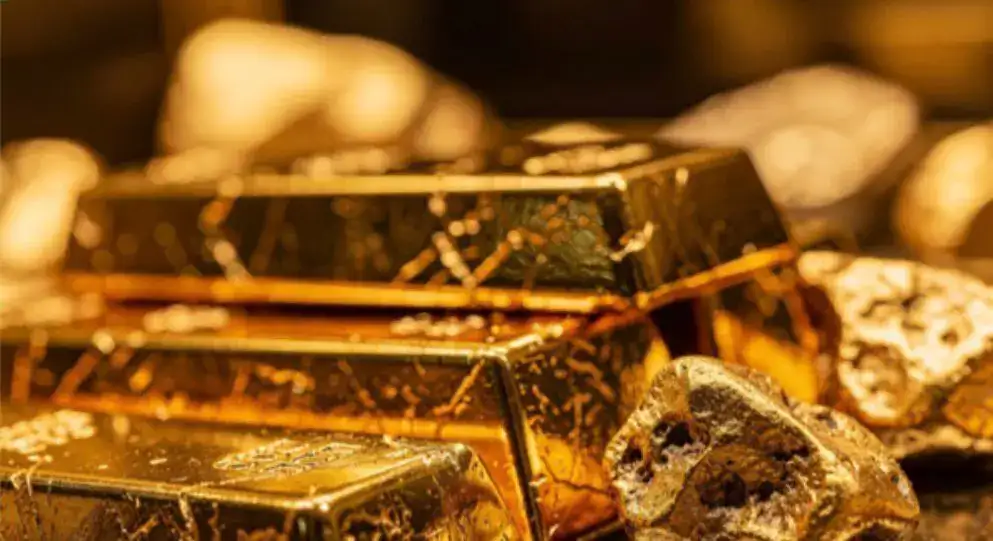
The story of Johannesburg began in 1886 when an Australian prospector, George Harrison, discovered a gold-bearing reef on a farm called Langlaagte. This triggered one of the largest gold rushes in history, transforming a quiet stretch of farmland into a bustling metropolis within a decade. By the 1890s, it was the largest city in South Africa, built entirely on the wealth extracted from the Witwatersrand Basin beneath it.
What makes Johannesburg unique is the sheer scale of its underground treasure. The Witwatersrand Basin, formed nearly 3 billion years ago, holds the world's largest known gold resource. Experts estimate that this single region has produced over 40% of all the gold ever extracted by humanity. Even in 2026, geologists believe that nearly half of the world's remaining gold reserves are still buried deep beneath the basin, though reaching them requires unprecedented engineering.
After years of decline in South Africa's gold sector, 2026 has seen a dramatic turnaround. With global gold prices hitting record highs surpassing $5,000 per ounce due to geopolitical instability, deep-level mining has become economically viable again.
In modern travel and trade discussions, Dubai is often called the "City of Gold" because it handles nearly 15-20% of the global gold trade and is home to the world-famous Gold Souk. However, while Dubai is the capital of gold commerce, Johannesburg remains the capital of gold origin. One city sells it, but the other provides the bedrock that built the global gold standard.
Today, the physical landscape of Johannesburg is still defined by its mining heritage. The iconic yellow mine dumps (mountains of processed earth) serve as constant reminders of the city’s soul. While Johannesburg has evolved into Africa’s financial powerhouse and a hub for culture and innovation, the allure of the "yellow metal" continues to drive its economy and define its global legacy.
A History Carved in Gold
The story of Johannesburg began in 1886 when an Australian prospector, George Harrison, discovered a gold-bearing reef on a farm called Langlaagte. This triggered one of the largest gold rushes in history, transforming a quiet stretch of farmland into a bustling metropolis within a decade. By the 1890s, it was the largest city in South Africa, built entirely on the wealth extracted from the Witwatersrand Basin beneath it.
The Geological Marvel: Witwatersrand Basin
What makes Johannesburg unique is the sheer scale of its underground treasure. The Witwatersrand Basin, formed nearly 3 billion years ago, holds the world's largest known gold resource. Experts estimate that this single region has produced over 40% of all the gold ever extracted by humanity. Even in 2026, geologists believe that nearly half of the world's remaining gold reserves are still buried deep beneath the basin, though reaching them requires unprecedented engineering.
2026: The Mining Revival
After years of decline in South Africa's gold sector, 2026 has seen a dramatic turnaround. With global gold prices hitting record highs surpassing $5,000 per ounce due to geopolitical instability, deep-level mining has become economically viable again.
- New Operations: For the first time in 15 years, a new underground gold mine, Qala Shallows, has opened on the outskirts of Johannesburg.
- Extreme Depths: The city is home to the Mponeng Gold Mine, the deepest mine in the world, extending 4 kilometers underground where temperatures reach a staggering 60°C.
Johannesburg vs. Dubai
In modern travel and trade discussions, Dubai is often called the "City of Gold" because it handles nearly 15-20% of the global gold trade and is home to the world-famous Gold Souk. However, while Dubai is the capital of gold commerce, Johannesburg remains the capital of gold origin. One city sells it, but the other provides the bedrock that built the global gold standard.
A City of Contrast
Today, the physical landscape of Johannesburg is still defined by its mining heritage. The iconic yellow mine dumps (mountains of processed earth) serve as constant reminders of the city’s soul. While Johannesburg has evolved into Africa’s financial powerhouse and a hub for culture and innovation, the allure of the "yellow metal" continues to drive its economy and define its global legacy.
Next Story