
What Makes Kyoto So Famous? A Look at Its Traditional Charm

Japan is a country where modern skyscrapers stand alongside centuries-old temples, and nowhere is this contrast more striking than Kyoto . Once the imperial capital of Japan for more than a thousand years, Kyoto has preserved its rich cultural heritage better than almost any other city in the country. From historic shrines and traditional wooden houses to elegant tea ceremonies and seasonal festivals, the city offers visitors a glimpse into Japan's timeless traditions. Here's why Kyoto continues to captivate travelers from around the world.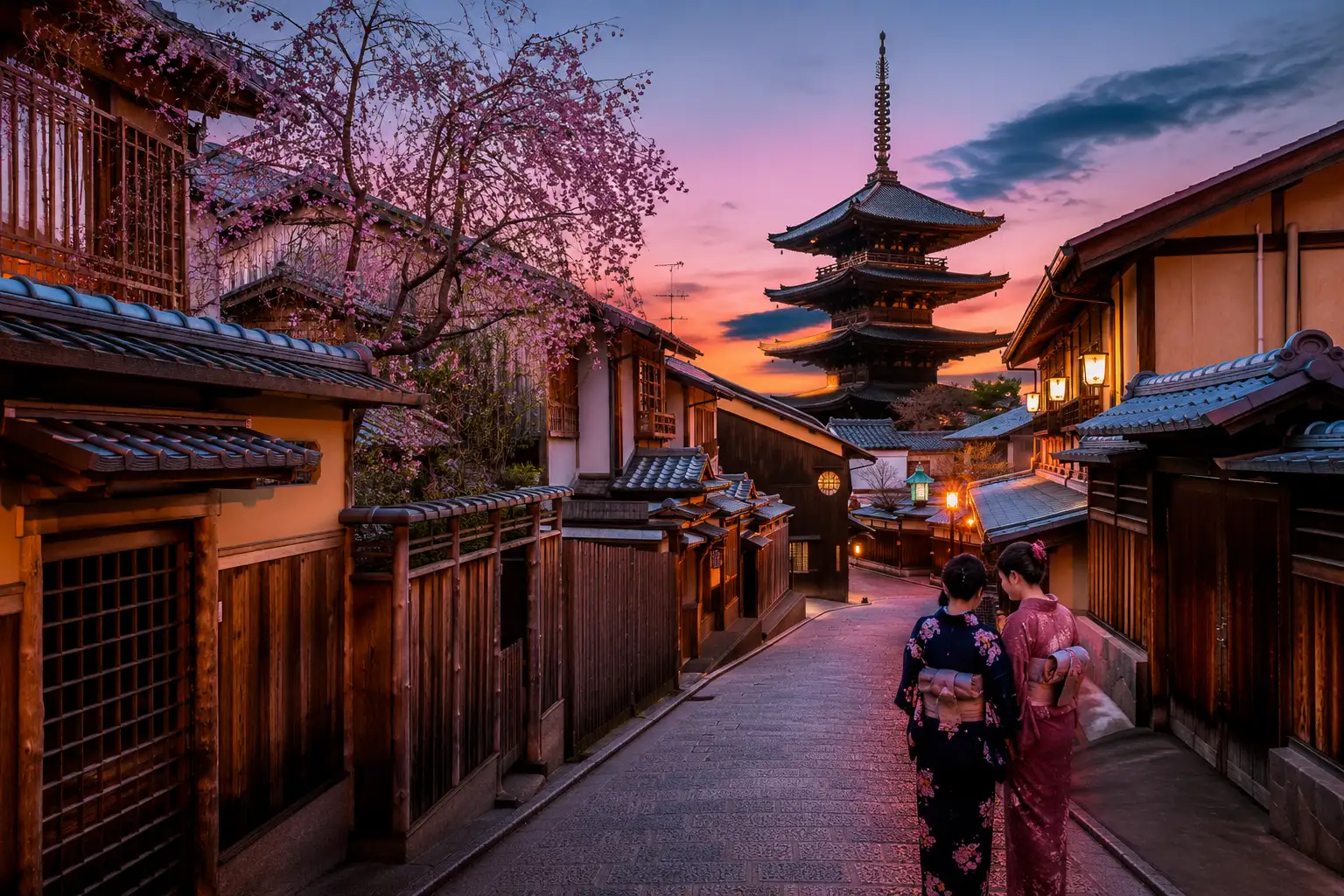
A City Steeped in History
Kyoto served as Japan's capital from 794 to 1868, making it the political and cultural heart of the nation for over a millennium. During this period, emperors, nobles, artists, and craftsmen shaped the city's identity, leaving behind magnificent temples, shrines, gardens, and palaces that still stand today. This remarkable legacy makes Kyoto one of Japan's most historically significant destinations.
Stunning Temples and Shrines
Kyoto is home to thousands of Buddhist temples and Shinto shrines, many of which are celebrated for their architectural beauty and spiritual importance. Visitors can admire serene Zen temples, peaceful gardens, towering pagodas, and vibrant shrine gates. Many of these historic sites are recognized as UNESCO World Heritage Sites, reflecting their outstanding cultural value.
Traditional Wooden Streets
Walking through Kyoto's historic districts feels like stepping back in time. Narrow lanes lined with beautifully preserved wooden townhouses, known as machiya, create a charming atmosphere that has remained largely unchanged for generations. Areas such as Gion, Higashiyama, and Sannenzaka are especially popular for their traditional architecture, stone-paved streets, and local craft shops.
Home of the Geisha Tradition
Kyoto is renowned for preserving Japan's geisha culture. In the city's historic entertainment districts, visitors may catch a glimpse of geiko (Kyoto's term for geisha) and maiko (apprentice geiko) dressed in elegant kimonos as they travel to evening appointments. Their refined performances of dance, music, and hospitality continue to be an important part of Kyoto's cultural identity.
Beautiful Japanese Gardens
Kyoto's gardens are masterpieces of landscape design. From meticulously raked Zen rock gardens to tranquil ponds surrounded by maple and cherry trees, these spaces are designed to inspire peace and reflection. Every season transforms the gardens, offering fresh beauty throughout the year.
Rich Tea Ceremony Culture
Kyoto has long been associated with the Japanese tea ceremony, a tradition that emphasizes harmony, respect, purity, and tranquility. Visitors can participate in authentic tea ceremonies held in traditional tea houses, where they learn about the rituals and philosophy behind preparing and serving matcha.
Seasonal Beauty Throughout the Year
Kyoto's charm changes with every season. Spring brings delicate cherry blossoms, while summer features vibrant festivals and lush greenery. Autumn paints temple gardens in brilliant shades of red and gold, and winter offers peaceful snowy landscapes that highlight the city's timeless architecture.
Traditional Arts and Crafts
Kyoto remains a center for Japanese craftsmanship. Skilled artisans continue to produce handwoven textiles, pottery, lacquerware, fans, incense, and exquisite kimono fabrics using techniques passed down through generations. Visitors can explore workshops and specialty stores to appreciate these enduring traditions.
Authentic Japanese Cuisine
Kyoto's culinary heritage is deeply rooted in local ingredients and refined preparation. The city is famous for kaiseki cuisine, an elegant multi-course dining experience that celebrates seasonal flavors. Other local specialties include yudofu (tofu hot pot), yuba (tofu skin), and traditional Japanese sweets often enjoyed with matcha.
A Perfect Blend of Culture and Nature
Beyond its historic landmarks, Kyoto offers peaceful bamboo groves, scenic rivers, forested mountains, and quiet walking trails. Nature is thoughtfully integrated into the city's cultural landscape, creating a harmonious environment where history and natural beauty complement one another.
Kyoto's traditional charm comes from its remarkable ability to preserve centuries-old customs while remaining a vibrant modern city. Its historic temples, elegant gardens, cultural traditions, seasonal scenery, and authentic cuisine offer an unforgettable journey into the heart of Japanese heritage. Whether you're visiting for history, culture, or natural beauty, Kyoto remains one of the world's most captivating travel destinations.
Disclaimer: This article is intended for general informational purposes only. While the information has been compiled from publicly available sources, we do not independently verify its authenticity, accuracy, or completeness. Readers are encouraged to consult official or authoritative sources before making travel or related decisions.
A City Steeped in History
Kyoto served as Japan's capital from 794 to 1868, making it the political and cultural heart of the nation for over a millennium. During this period, emperors, nobles, artists, and craftsmen shaped the city's identity, leaving behind magnificent temples, shrines, gardens, and palaces that still stand today. This remarkable legacy makes Kyoto one of Japan's most historically significant destinations. Stunning Temples and Shrines
Kyoto is home to thousands of Buddhist temples and Shinto shrines, many of which are celebrated for their architectural beauty and spiritual importance. Visitors can admire serene Zen temples, peaceful gardens, towering pagodas, and vibrant shrine gates. Many of these historic sites are recognized as UNESCO World Heritage Sites, reflecting their outstanding cultural value.Traditional Wooden Streets
Walking through Kyoto's historic districts feels like stepping back in time. Narrow lanes lined with beautifully preserved wooden townhouses, known as machiya, create a charming atmosphere that has remained largely unchanged for generations. Areas such as Gion, Higashiyama, and Sannenzaka are especially popular for their traditional architecture, stone-paved streets, and local craft shops. Home of the Geisha Tradition
Kyoto is renowned for preserving Japan's geisha culture. In the city's historic entertainment districts, visitors may catch a glimpse of geiko (Kyoto's term for geisha) and maiko (apprentice geiko) dressed in elegant kimonos as they travel to evening appointments. Their refined performances of dance, music, and hospitality continue to be an important part of Kyoto's cultural identity.You may also like
- Arabic proverb of the day: "Trust in God, but tie your camel." - the old wisdom of balancing faith with effort
- No paper leaks, please! Gen Z activism in spotlight at SPPU
- 5 Beautiful Indian Place Still Unknown to Most Travelers?
- “Russian proverb of the day: There is no shame in not knowing; the shame lies in…”
- Harry Potter: The boy who taught a generation to read again
Beautiful Japanese Gardens
Kyoto's gardens are masterpieces of landscape design. From meticulously raked Zen rock gardens to tranquil ponds surrounded by maple and cherry trees, these spaces are designed to inspire peace and reflection. Every season transforms the gardens, offering fresh beauty throughout the year. Rich Tea Ceremony Culture
Kyoto has long been associated with the Japanese tea ceremony, a tradition that emphasizes harmony, respect, purity, and tranquility. Visitors can participate in authentic tea ceremonies held in traditional tea houses, where they learn about the rituals and philosophy behind preparing and serving matcha. Seasonal Beauty Throughout the Year
Kyoto's charm changes with every season. Spring brings delicate cherry blossoms, while summer features vibrant festivals and lush greenery. Autumn paints temple gardens in brilliant shades of red and gold, and winter offers peaceful snowy landscapes that highlight the city's timeless architecture. Traditional Arts and Crafts
Kyoto remains a center for Japanese craftsmanship. Skilled artisans continue to produce handwoven textiles, pottery, lacquerware, fans, incense, and exquisite kimono fabrics using techniques passed down through generations. Visitors can explore workshops and specialty stores to appreciate these enduring traditions.Authentic Japanese Cuisine
Kyoto's culinary heritage is deeply rooted in local ingredients and refined preparation. The city is famous for kaiseki cuisine, an elegant multi-course dining experience that celebrates seasonal flavors. Other local specialties include yudofu (tofu hot pot), yuba (tofu skin), and traditional Japanese sweets often enjoyed with matcha. A Perfect Blend of Culture and Nature
Beyond its historic landmarks, Kyoto offers peaceful bamboo groves, scenic rivers, forested mountains, and quiet walking trails. Nature is thoughtfully integrated into the city's cultural landscape, creating a harmonious environment where history and natural beauty complement one another. Kyoto's traditional charm comes from its remarkable ability to preserve centuries-old customs while remaining a vibrant modern city. Its historic temples, elegant gardens, cultural traditions, seasonal scenery, and authentic cuisine offer an unforgettable journey into the heart of Japanese heritage. Whether you're visiting for history, culture, or natural beauty, Kyoto remains one of the world's most captivating travel destinations.
Disclaimer: This article is intended for general informational purposes only. While the information has been compiled from publicly available sources, we do not independently verify its authenticity, accuracy, or completeness. Readers are encouraged to consult official or authoritative sources before making travel or related decisions.






More from our partners


Loving Newspoint? Download the app now
