
Learning The Bountiful Science Of Hatha Yoga


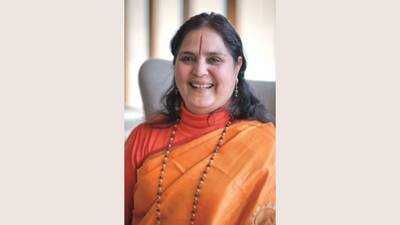
Long ago, our Rishis had explored the functioning of the body, mind and intellect. They were scientists who knew the intricacies of this inner world. According to Gurudev Anandmurti Gurumaa , the word "yog" means "yoke," to join. Joining what? As there is a consciousness in you, there is consciousness in every cell, in every molecule and atom of the universe. Conjoining this micro-consciousness with the macro-consciousness is called yoga. This can be achieved through a variety of paths delineated by our sages, such as raja yoga, bhakti yoga, gyana yoga, laya yoga and hatha yoga .
Often misunderstood as a series of physical postures, Hatha Yoga is, in fact, a profound spiritual discipline . The ancient yogis never viewed the body as an obstacle to enlightenment; they regarded it as a sacred vehicle. Through conscious movement, disciplined breathing and inner cleansing, they sought not merely health, but harmony.
The practice of hatha yoga asanas, often synonymous with the word yoga in today’s world, is a dynamic approach that includes a variety of postures performed in sequence. It’s an effort to achieve the right pose, poise, breathing, and alignment. Indeed, practising asana is like geometry. You need to learn about the body’s anatomy. With regular practice, you can master your body and enjoy the prime of health. Practising yogasanas stimulates all organs and strengthens the metabolism. And when you do it attentively, it becomes a moving meditation , says Gurumaa.
Classical yogic texts describe Hatha Yoga as the foundation upon which deeper practices such as meditation naturally arise. A restless body disturbs the breath; an uneven breath unsettles the mind. When posture becomes effortless and breathing rhythmic, the mind gradually sheds its turbulence. “Meditation then ceases to be something one tries to do—it begins to happen,” adds Gurumaa.
A body honed and made supple through practice enables one to sit for long periods without movement or pain – which is the true objective. Over time, the posture becomes so stable that one won’t feel any pain or stiffness when sitting for spiritual practices. Yoga sutra 2.46 says, “sthira-sukham-āsanam” – sthira means stable, and sukham means comfortable. That is the essence of asana. Maturity of asana is necessary before moving on to the next stage, pranayama.
Recognising this timeless wisdom, Rishi Chaitanya Ashram invites all seekers to the upcoming Hatha Yoga Retreat , held at the Ashram from July 11 to 26, 2026 under the guidance of Gurudev Anandmurti Gurumaa. This immersive experience will offer seekers the opportunity to learn asana, pranayam and shatkarma ( yogic cleansing procedures ) directly from experienced teachers. Further, the course will dive into yogic anatomy and classical scriptures. This two-week intensive in Anandmurti Gurumaa’s presence is open for all regular practitioners looking to deepen their sadhana and understanding. For more information, visit www.gurumaa.com.
Often misunderstood as a series of physical postures, Hatha Yoga is, in fact, a profound spiritual discipline . The ancient yogis never viewed the body as an obstacle to enlightenment; they regarded it as a sacred vehicle. Through conscious movement, disciplined breathing and inner cleansing, they sought not merely health, but harmony.
The practice of hatha yoga asanas, often synonymous with the word yoga in today’s world, is a dynamic approach that includes a variety of postures performed in sequence. It’s an effort to achieve the right pose, poise, breathing, and alignment. Indeed, practising asana is like geometry. You need to learn about the body’s anatomy. With regular practice, you can master your body and enjoy the prime of health. Practising yogasanas stimulates all organs and strengthens the metabolism. And when you do it attentively, it becomes a moving meditation , says Gurumaa.
Classical yogic texts describe Hatha Yoga as the foundation upon which deeper practices such as meditation naturally arise. A restless body disturbs the breath; an uneven breath unsettles the mind. When posture becomes effortless and breathing rhythmic, the mind gradually sheds its turbulence. “Meditation then ceases to be something one tries to do—it begins to happen,” adds Gurumaa.
A body honed and made supple through practice enables one to sit for long periods without movement or pain – which is the true objective. Over time, the posture becomes so stable that one won’t feel any pain or stiffness when sitting for spiritual practices. Yoga sutra 2.46 says, “sthira-sukham-āsanam” – sthira means stable, and sukham means comfortable. That is the essence of asana. Maturity of asana is necessary before moving on to the next stage, pranayama.
Recognising this timeless wisdom, Rishi Chaitanya Ashram invites all seekers to the upcoming Hatha Yoga Retreat , held at the Ashram from July 11 to 26, 2026 under the guidance of Gurudev Anandmurti Gurumaa. This immersive experience will offer seekers the opportunity to learn asana, pranayam and shatkarma ( yogic cleansing procedures ) directly from experienced teachers. Further, the course will dive into yogic anatomy and classical scriptures. This two-week intensive in Anandmurti Gurumaa’s presence is open for all regular practitioners looking to deepen their sadhana and understanding. For more information, visit www.gurumaa.com.
Next Story