
<i>Where Past Lovers Meet: The Unique Cultural Tradition of Vietnam’s Ethnic Tribes</i>

The origins of the Khau Vai Love Market trace back over a hundred years to a poignant and tragic legend rooted deep within northern Vietnam’s high-altitude karst plateau. According to local folklore, a young, handsome man from the Nung ethnic group fell deeply in love with an extraordinarily beautiful woman from the Giay ethnic tribe. Despite their intense devotion to one another, their blossoming romance was fiercely opposed by both tribal leaders and family elders due to strict cultural divides, social hierarchies, and deeply entrenched inter-tribal rivalries.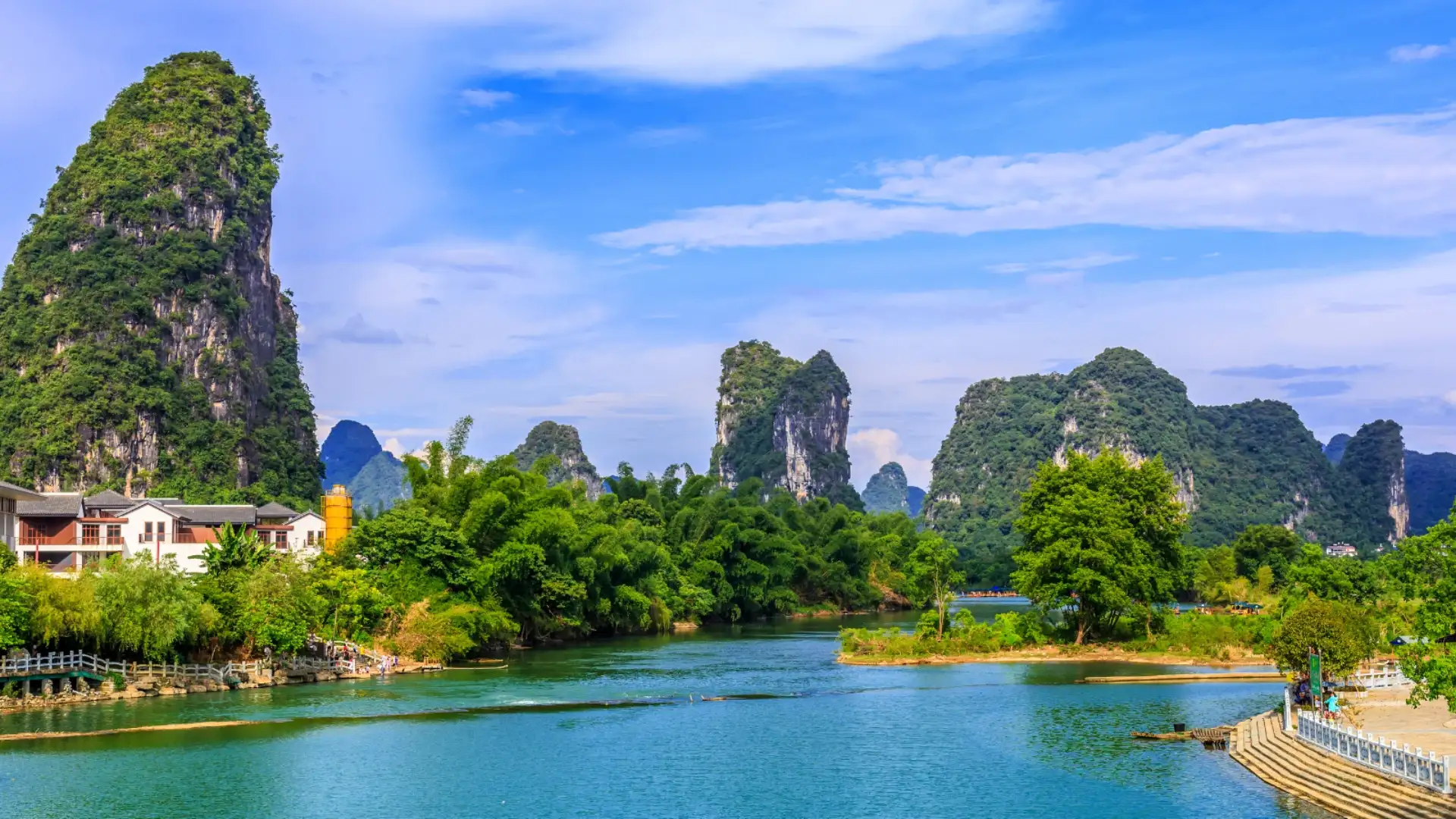
Refusing to accept the separation, the young couple fled into the surrounding limestone mountains to be together. However, their secret elopement triggered bitter conflict between the two tribes, leading to violent clashes, property destruction, and rising tensions that threatened to engulf both communities in a destructive blood feud. Horrified by the devastation caused by their personal bond, the lovers made the heartbreaking decision to sacrifice their desire for togetherness in order to restore peace to their families.
Before parting ways forever and marrying within their respective tribes, they made a solemn, sacred vow: they promised to meet secretly once every year on the 27th day of the third lunar month at Khau Vai. Over the decades, their secret rendezvous transformed into a revered annual cultural tradition embraced and protected by surrounding mountain communities.
When twilight falls over the valley, former lovers seek each other out amid the crowds. Rather than secretive or illicit encounters, these reunions take place openly in a spirit of warmth, nostalgic celebration, and emotional catharsis. Ex-partners sit side-by-side beneath makeshift canvas tents or open night skies, sharing corn wine, enjoying traditional hot meals, singing haunting folk songs, and playing hand-carved bamboo flutes. They spend hours catching up on the trajectories of their lives, discussing the joys and struggles of raising their children, sharing family updates, and reminiscing about the youth they once spent together. Once the sun rises the following morning, the emotional reunions conclude, and everyone returns to their ordinary domestic routines until the following year.
Spouses demonstrate an extraordinary level of emotional maturity, trust, and empathy throughout the gathering. Husbands and wives frequently travel together to the festival, arriving as supportive companions. Once at the market, spouses grant each other complete freedom and personal space to wander off, find their past lovers, and spend uninterrupted hours with them. It is entirely common to see a husband drinking rice wine with his friends or engaging in friendly conversation with his wife's former partner while she chats comfortably with her ex. The local philosophy recognizes that a person can remain fiercely loyal and devoted to their current marriage while still holding a quiet, respectful place in their heart for a past love that could never be realized due to circumstances beyond their control.
Modern additions to the festival include traditional ethnic sports competitions, horse racing, embroidery demonstrations, folk art performances, and vibrant night markets showcasing local high-altitude agricultural products. Despite the influx of outside visitors and camera-wielding tourists, the indigenous people of Ha Giang continue to preserve the authentic emotional spirit of Khau Vai. For the villagers, the festival remains an enduring tribute to compromise, mutual respect, and the timeless nature of human connection.
Refusing to accept the separation, the young couple fled into the surrounding limestone mountains to be together. However, their secret elopement triggered bitter conflict between the two tribes, leading to violent clashes, property destruction, and rising tensions that threatened to engulf both communities in a destructive blood feud. Horrified by the devastation caused by their personal bond, the lovers made the heartbreaking decision to sacrifice their desire for togetherness in order to restore peace to their families.
Before parting ways forever and marrying within their respective tribes, they made a solemn, sacred vow: they promised to meet secretly once every year on the 27th day of the third lunar month at Khau Vai. Over the decades, their secret rendezvous transformed into a revered annual cultural tradition embraced and protected by surrounding mountain communities.
You may also like
- LPG Rates: What is the price of an LPG cylinder in your city? Check the latest rates for 14.2 kg and 19 kg cylinders here..
- Meet the AIQ Talks speakers: Industry leaders bringing real-world AI insights to the TOI AI Quotient Awards 2026
- What to do if you encounter a Cobra snake: Simple and mindful tips to stay safe and avoid contact
- A Northern California couple walking their dog spotted a rusty metal can in their yard, unearthing 1,427 mint-condition gold coins from the Gold Rush era
- Neck Cracking Habit: Is It Harmful? Know When the Clicking Sound Could Be a Warning Sign
How the Modern Festival Unfolds
In the days leading up to the 27th day of the third lunar month, the quiet, isolated mountain village of Khau Vai transforms into a vibrant hub of movement and color. Men, women, and elders from various ethnic minority groups including the H'Mong, Tay, Nung, Lolo, and Giay dress in meticulously crafted, colorful traditional attire and undertake arduous journeys across treacherous mountain passes, steep ravines, and rocky trails to reach the festival grounds.When twilight falls over the valley, former lovers seek each other out amid the crowds. Rather than secretive or illicit encounters, these reunions take place openly in a spirit of warmth, nostalgic celebration, and emotional catharsis. Ex-partners sit side-by-side beneath makeshift canvas tents or open night skies, sharing corn wine, enjoying traditional hot meals, singing haunting folk songs, and playing hand-carved bamboo flutes. They spend hours catching up on the trajectories of their lives, discussing the joys and struggles of raising their children, sharing family updates, and reminiscing about the youth they once spent together. Once the sun rises the following morning, the emotional reunions conclude, and everyone returns to their ordinary domestic routines until the following year.
A Culture Rooted in Trust and Absence of Jealousy
What makes the Khau Vai Love Market truly exceptional to international observers is the complete absence of marital jealousy, suspicion, or domestic conflict during the event. In contemporary Western and urban societies, a partner actively seeking out an ex-lover often triggers insecurity, resentment, or relationship breakdown. In contrast, the indigenous communities of Ha Giang view the Love Market as a deeply human, sacred sanctuary for emotional healing and honoring past connections.Spouses demonstrate an extraordinary level of emotional maturity, trust, and empathy throughout the gathering. Husbands and wives frequently travel together to the festival, arriving as supportive companions. Once at the market, spouses grant each other complete freedom and personal space to wander off, find their past lovers, and spend uninterrupted hours with them. It is entirely common to see a husband drinking rice wine with his friends or engaging in friendly conversation with his wife's former partner while she chats comfortably with her ex. The local philosophy recognizes that a person can remain fiercely loyal and devoted to their current marriage while still holding a quiet, respectful place in their heart for a past love that could never be realized due to circumstances beyond their control.
Cultural Preservation and the Shift Toward Tourism
While the core purpose of the Khau Vai Love Market remains deeply personal for local ethnic tribes, recent years have seen the event evolve into a major cultural spectacle recognized by the Vietnamese government as a National Intangible Cultural Heritage item. The provincial authorities of Ha Giang have integrated the gathering into broader eco-tourism initiatives, drawing domestic travelers, historians, photographers, and international tourists eager to witness this rare cultural phenomenon.Modern additions to the festival include traditional ethnic sports competitions, horse racing, embroidery demonstrations, folk art performances, and vibrant night markets showcasing local high-altitude agricultural products. Despite the influx of outside visitors and camera-wielding tourists, the indigenous people of Ha Giang continue to preserve the authentic emotional spirit of Khau Vai. For the villagers, the festival remains an enduring tribute to compromise, mutual respect, and the timeless nature of human connection.






Loving Newspoint? Download the app now
