
Love Matcha? Avoid These Common Mistakes For A Smoother, Richer And More Enjoyable Cup Every Time

Struggling With Bitter Matcha? Here’s How To Perfect Your Cup Like A Pro: Matcha has earned a devoted following around the world thanks to its vibrant colour, distinctive flavour and versatility. Whether enjoyed traditionally or incorporated into modern drinks, this finely ground green tea powder offers a unique experience that differs from ordinary tea. However, many people find their homemade matcha disappointing compared to what they enjoy in cafés. The reason is often not the matcha itself but the preparation method. Small errors can result in a bitter taste, clumpy texture or dull appearance. Fortunately, most of these issues are easy to avoid. By understanding the fundamentals of matcha tea preparation and paying attention to a few key details, anyone can create a smooth, balanced and satisfying cup at home.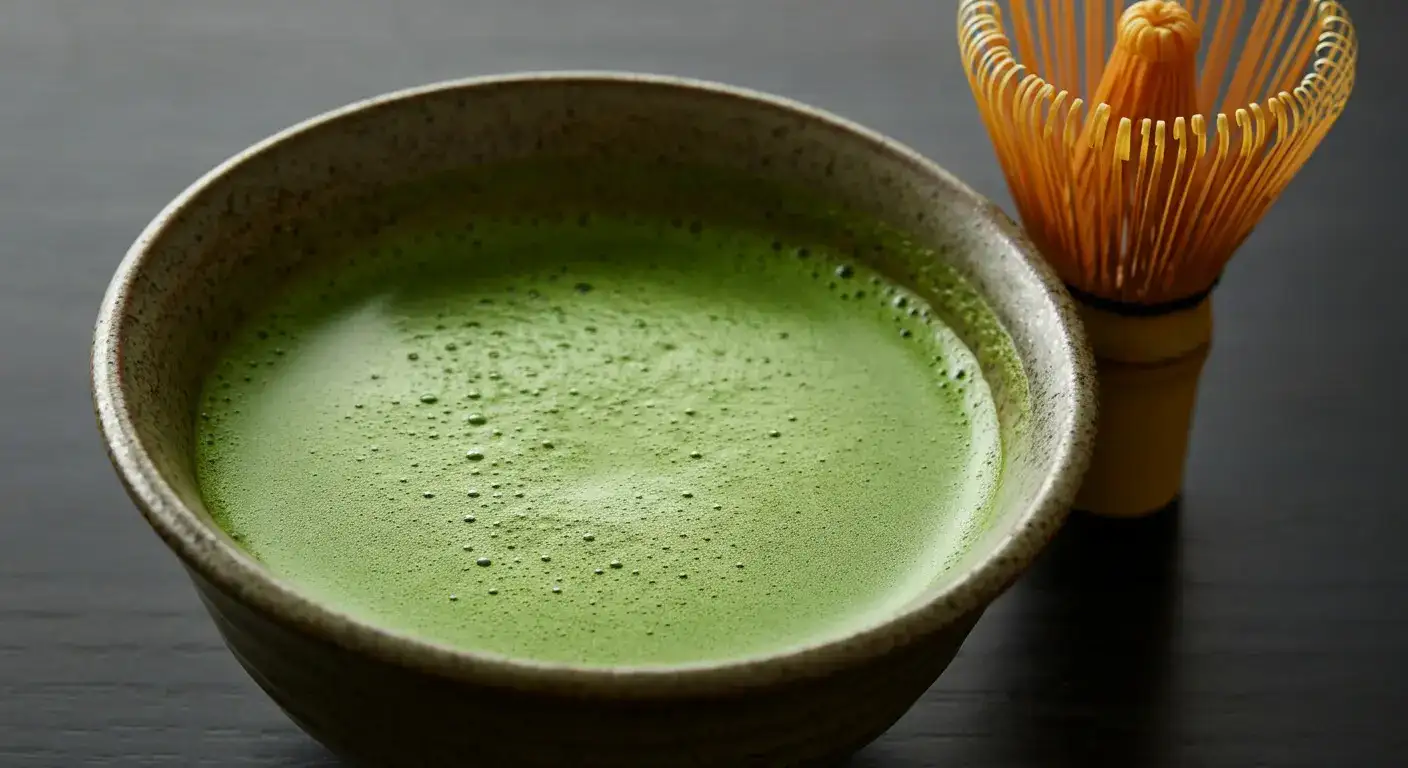
Not all matcha powders are created equal. Higher-quality varieties typically offer a brighter green colour, smoother texture and more balanced flavour profile. Lower-grade powders may appear dull, taste excessively bitter or lack the creamy characteristics many people associate with good matcha.
When selecting matcha, look for products that appear vibrant and fresh. Proper storage is equally important, as exposure to air, light and moisture can gradually reduce quality.
Using quality matcha powder provides a strong foundation for a better cup.
Boiling water can damage delicate flavour compounds and increase bitterness. Instead, water should be allowed to cool slightly after boiling before being added to the powder.
Using moderately hot water helps preserve matcha's natural sweetness and allows its more subtle flavours to emerge. This simple adjustment can dramatically improve the overall drinking experience.
Temperature control is one of the most effective matcha brewing tips for achieving a smoother cup.
Because matcha is a fine powder, small clumps often develop during storage. These clumps can be difficult to break apart during whisking, leading to an uneven texture.
Passing the powder through a fine sieve creates a smoother consistency and helps it blend more evenly with water. The result is a creamier drink with fewer lumps and a more appealing appearance.
Using too much water may produce a weak and diluted drink, while too little can create an overly intense flavour that some people find unpleasant.
Experimenting within recommended proportions allows drinkers to discover the strength that best suits their preferences. Maintaining a proper balance between powder and water contributes to a more harmonious flavour profile.
Careful measurement is often overlooked but plays an important role in creating a smooth matcha cup .
Traditional preparation involves using a bamboo whisk to create a smooth mixture with a light layer of foam on top. The whisk should move quickly in a zigzag motion rather than a circular one.
This technique helps disperse the powder evenly and creates a pleasant texture. Vigorous yet controlled whisking can transform a grainy beverage into a smooth and enjoyable drink.
Those learning how to make matcha often discover that whisking technique has a major impact on the final result.
Water with strong mineral content or noticeable odours can interfere with the tea's natural taste. Fresh, clean water generally produces better results and allows the characteristics of the matcha to shine through.
Although often overlooked, water quality can make a noticeable difference in flavour clarity and overall enjoyment.
Matcha is sensitive to air, heat, moisture and light. Leaving the container open or storing it in warm conditions may lead to flavour deterioration and colour loss.
To maintain freshness, matcha should be stored in an airtight container away from direct sunlight and excessive heat. Refrigeration may also help preserve quality if the product is used over an extended period.
Proper storage ensures that every cup retains its intended flavour and aroma.
While sweeteners can enhance certain matcha drinks, excessive additions may mask the tea's natural characteristics. A well-prepared matcha should offer a balanced flavour without requiring significant adjustments.
If sweetness is desired, using moderate amounts allows the tea's distinctive taste to remain noticeable.
This approach helps preserve the authenticity of the drinking experience.
Even experienced tea enthusiasts occasionally adjust water temperature, whisking technique or ingredient proportions to achieve their preferred result. Small refinements often lead to significant improvements over time.
Approaching preparation with patience and curiosity can make the learning process both enjoyable and rewarding.
Understanding matcha tea benefits and proper brewing techniques encourages a deeper appreciation for this traditional beverage.
Creating a smooth and flavourful cup of matcha does not require advanced expertise, but it does demand attention to detail. Choosing quality matcha powder, using the correct water temperature, mastering whisking techniques and storing ingredients properly can dramatically improve results. By avoiding common mistakes and focusing on the fundamentals of matcha tea preparation, tea lovers can enjoy a richer flavour, better texture and a more satisfying experience with every cup. Whether you are new to matcha or looking to refine your routine, these simple adjustments can help bring out the best in this remarkable green tea.
Start With Quality Matcha Powder
One of the biggest factors affecting the final result is the quality of the matcha being used.Not all matcha powders are created equal. Higher-quality varieties typically offer a brighter green colour, smoother texture and more balanced flavour profile. Lower-grade powders may appear dull, taste excessively bitter or lack the creamy characteristics many people associate with good matcha.
When selecting matcha, look for products that appear vibrant and fresh. Proper storage is equally important, as exposure to air, light and moisture can gradually reduce quality.
Using quality matcha powder provides a strong foundation for a better cup.
Avoid Using Boiling Water
A common mistake among beginners is preparing matcha with water that is too hot.Boiling water can damage delicate flavour compounds and increase bitterness. Instead, water should be allowed to cool slightly after boiling before being added to the powder.
Using moderately hot water helps preserve matcha's natural sweetness and allows its more subtle flavours to emerge. This simple adjustment can dramatically improve the overall drinking experience.
Temperature control is one of the most effective matcha brewing tips for achieving a smoother cup.
Always Sift The Powder First
Many people skip this step, but sifting matcha before mixing can make a significant difference.Because matcha is a fine powder, small clumps often develop during storage. These clumps can be difficult to break apart during whisking, leading to an uneven texture.
Passing the powder through a fine sieve creates a smoother consistency and helps it blend more evenly with water. The result is a creamier drink with fewer lumps and a more appealing appearance.
Use The Right Amount Of Water
Balance is essential when preparing matcha.Using too much water may produce a weak and diluted drink, while too little can create an overly intense flavour that some people find unpleasant.
Experimenting within recommended proportions allows drinkers to discover the strength that best suits their preferences. Maintaining a proper balance between powder and water contributes to a more harmonious flavour profile.
Careful measurement is often overlooked but plays an important role in creating a smooth matcha cup .
Master The Whisking Technique
Whisking is more than simply stirring the powder into water.Traditional preparation involves using a bamboo whisk to create a smooth mixture with a light layer of foam on top. The whisk should move quickly in a zigzag motion rather than a circular one.
This technique helps disperse the powder evenly and creates a pleasant texture. Vigorous yet controlled whisking can transform a grainy beverage into a smooth and enjoyable drink.
Those learning how to make matcha often discover that whisking technique has a major impact on the final result.
Choose Suitable Water Quality
Water quality influences the flavour of every tea, including matcha.Water with strong mineral content or noticeable odours can interfere with the tea's natural taste. Fresh, clean water generally produces better results and allows the characteristics of the matcha to shine through.
Although often overlooked, water quality can make a noticeable difference in flavour clarity and overall enjoyment.
Store Matcha Properly
Improper storage can quickly diminish freshness.Matcha is sensitive to air, heat, moisture and light. Leaving the container open or storing it in warm conditions may lead to flavour deterioration and colour loss.
To maintain freshness, matcha should be stored in an airtight container away from direct sunlight and excessive heat. Refrigeration may also help preserve quality if the product is used over an extended period.
Proper storage ensures that every cup retains its intended flavour and aroma.
Avoid Overloading With Sweeteners
Many people add large amounts of sugar, syrups or flavourings to reduce bitterness.While sweeteners can enhance certain matcha drinks, excessive additions may mask the tea's natural characteristics. A well-prepared matcha should offer a balanced flavour without requiring significant adjustments.
You may also like
- Jio 629 vs Airtel 649: How do the benefits differ? Understand this before recharging..
- Word of the day: Wifty
- Mukesh Ambani's major move… the country's biggest 'Jio IPO' is coming soon; announcement likely on June 19..
- Father's Day Escapes: Experiences worth sharing across generations
- One Kitchen Ingredient Could Give You Glass Like Glowing Skin
If sweetness is desired, using moderate amounts allows the tea's distinctive taste to remain noticeable.
This approach helps preserve the authenticity of the drinking experience.
Be Patient With Practice
Preparing matcha is a skill that improves with experience.Even experienced tea enthusiasts occasionally adjust water temperature, whisking technique or ingredient proportions to achieve their preferred result. Small refinements often lead to significant improvements over time.
Approaching preparation with patience and curiosity can make the learning process both enjoyable and rewarding.
Understanding matcha tea benefits and proper brewing techniques encourages a deeper appreciation for this traditional beverage.
Creating a smooth and flavourful cup of matcha does not require advanced expertise, but it does demand attention to detail. Choosing quality matcha powder, using the correct water temperature, mastering whisking techniques and storing ingredients properly can dramatically improve results. By avoiding common mistakes and focusing on the fundamentals of matcha tea preparation, tea lovers can enjoy a richer flavour, better texture and a more satisfying experience with every cup. Whether you are new to matcha or looking to refine your routine, these simple adjustments can help bring out the best in this remarkable green tea.






More from our partners


Loving Newspoint? Download the app now
