
10 Low-Cost Hobbies You Can Start at Home Without Spending Much Money

Finding a hobby does not have to mean buying expensive equipment or signing up for costly classes. Many enjoyable activities can be started with things you already have at home. Whether you want to become more creative, learn a practical skill or simply take a break from your daily routine, an affordable hobby can make your free time more rewarding.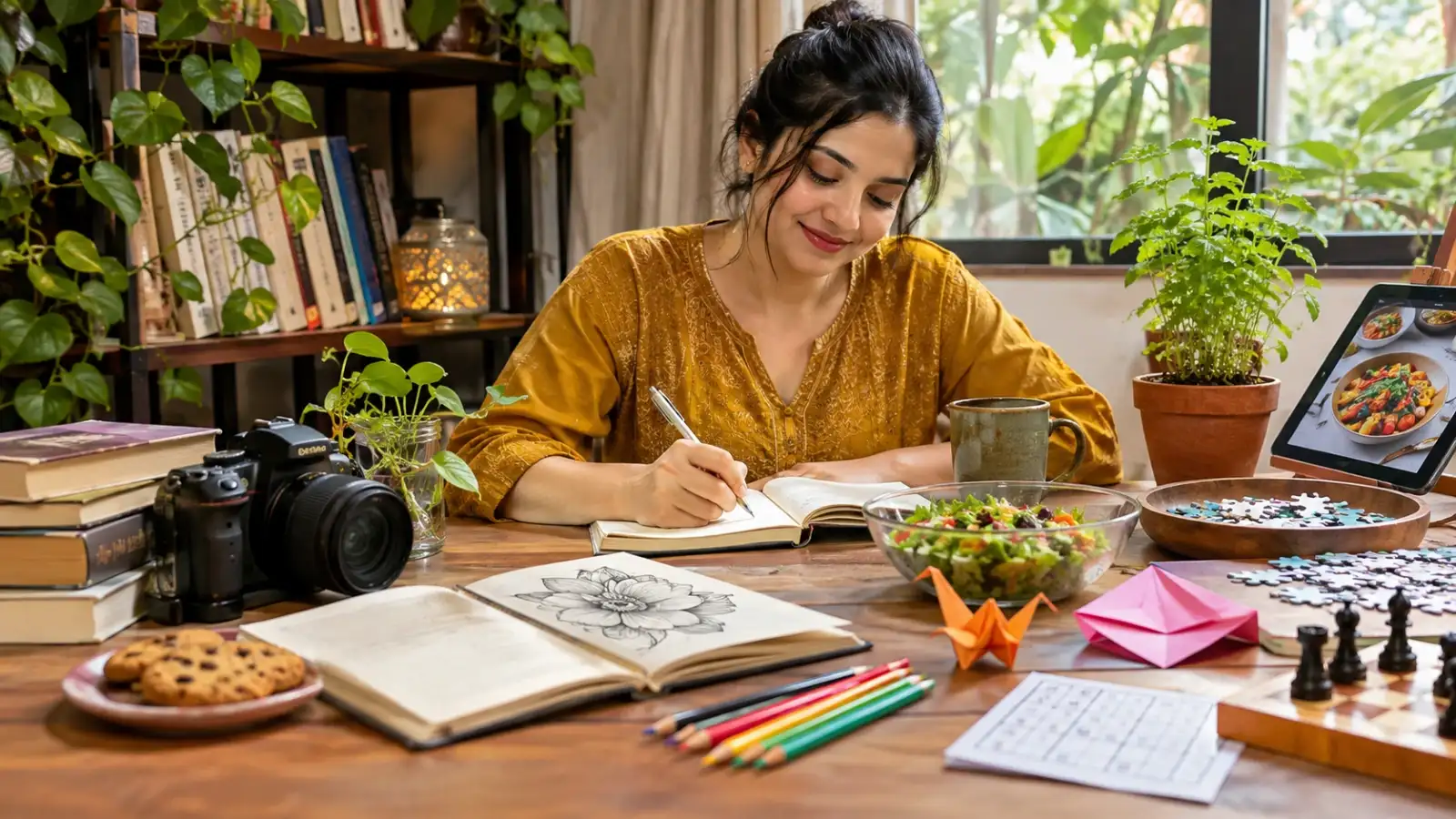
From reading and sketching to gardening and photography, there are several ways to explore new interests without putting pressure on your budget. Here are ten low-cost hobbies worth trying.
Choose subjects that genuinely interest you, such as travel, history, fiction, science or biographies. Even 15 to 20 minutes of reading each day can help you build a consistent habit.
There is no need to aim for perfect results. Begin with basic shapes and gradually experiment with shading and different drawing styles. Free online tutorials can also help you learn new techniques.
Reuse old containers, jars or suitable household pots as planters, provided they have proper drainage where needed. Begin with a few plants and learn about their sunlight and watering requirements before expanding your collection.
Experiment with natural lighting, different angles and composition. You can also learn basic editing through free mobile applications. Over time, try creating a small photo collection around a theme, such as local markets or changing seasons.
If you prefer digital writing, use a basic notes application. Try writing a few lines each day rather than worrying about lengthy entries. It can become a useful way to organise your thoughts and reflect on your experiences.
Experiment with homemade snacks, salads, seasonal dishes and regional recipes. You can also learn basic techniques such as chopping, roasting and preparing different spice combinations.
Free language-learning applications, online videos and digital dictionaries can help you practise. Listening to songs, watching short videos and reading simple stories in your chosen language can make learning more interesting.
Old newspapers, unused wrapping paper and leftover craft sheets can also be useful. As your skills improve, try making paper decorations, greeting cards and small gifts.
Make the activity more interesting by observing birds, trees, seasonal flowers and changes in the weather. You can also maintain a small nature journal to record what you notice during your walks.
Start with easier challenges and gradually try more difficult ones. If you enjoy playing with others, board games and traditional indoor games can also become a regular hobby.
Start with one hobby and give yourself a few weeks to explore it. Use equipment you already own, look for free learning resources and avoid purchasing expensive supplies before you know whether you enjoy the activity.
A fulfilling hobby does not need to be expensive or complicated. Activities such as reading, gardening, sketching and photography can be explored with very little equipment. The important thing is to choose something you enjoy and make time for it regularly. Start small, experiment with different interests and allow yourself to learn at your own pace.
From reading and sketching to gardening and photography, there are several ways to explore new interests without putting pressure on your budget. Here are ten low-cost hobbies worth trying.
1. Reading Books
Reading is one of the simplest hobbies to begin. You do not need a large personal library to get started. Borrow books from friends, visit a public library or explore free digital reading resources.Choose subjects that genuinely interest you, such as travel, history, fiction, science or biographies. Even 15 to 20 minutes of reading each day can help you build a consistent habit.
2. Sketching and Doodling
You can start drawing with just a pencil, an eraser and a notebook. Try sketching everyday objects, plants, buildings or simple patterns around you.There is no need to aim for perfect results. Begin with basic shapes and gradually experiment with shading and different drawing styles. Free online tutorials can also help you learn new techniques.
3. Home Gardening
Gardening can be an affordable way to spend time outdoors and learn about plants. Start with easy-to-grow options such as mint, coriander, fenugreek or money plants.Reuse old containers, jars or suitable household pots as planters, provided they have proper drainage where needed. Begin with a few plants and learn about their sunlight and watering requirements before expanding your collection.
4. Photography With Your Smartphone
A smartphone camera is enough to explore photography. Practise capturing flowers, street scenes, architecture, food, clouds and everyday moments.Experiment with natural lighting, different angles and composition. You can also learn basic editing through free mobile applications. Over time, try creating a small photo collection around a theme, such as local markets or changing seasons.
5. Writing a Personal Journal
Journalling requires little more than a notebook and a pen. You can write about your daily experiences, thoughts, travel memories, ideas or personal goals.If you prefer digital writing, use a basic notes application. Try writing a few lines each day rather than worrying about lengthy entries. It can become a useful way to organise your thoughts and reflect on your experiences.
6. Cooking Simple New Recipes
Cooking can become an enjoyable hobby without requiring specialised kitchen equipment. Start by trying simple vegetarian recipes using ingredients already available in your kitchen.Experiment with homemade snacks, salads, seasonal dishes and regional recipes. You can also learn basic techniques such as chopping, roasting and preparing different spice combinations.
7. Learning a New Language
Learning another language can be a rewarding long-term hobby. Begin with everyday vocabulary, common greetings and simple sentences.Free language-learning applications, online videos and digital dictionaries can help you practise. Listening to songs, watching short videos and reading simple stories in your chosen language can make learning more interesting.
8. Origami and Paper Crafts
Origami is the art of creating shapes and objects by folding paper. You can begin with ordinary sheets of paper and learn basic designs such as flowers, boats, birds and boxes.Old newspapers, unused wrapping paper and leftover craft sheets can also be useful. As your skills improve, try making paper decorations, greeting cards and small gifts.
9. Walking and Nature Observation
Walking is an accessible hobby that requires very little equipment. Choose a comfortable route in your neighbourhood, a nearby park or a green space.You may also like
- Big Diwali gift for BMC employees: ₹33,000 bonus announced; here's when the money will be credited to their accounts..
- 'The female employee took me into a trial room and DEMANDED that I remove my shirt... then she demanded that I REMOVE MY PANTS TOO': Bengaluru woman's shocking allegations against Zara staff spark outrage
- 'Thoroughly clean bathroom, scrub toilet…': Man shares two-page chore list his father made him follow from age 8; everyday tasks have the internet talking
- 6 Small Things to Do Before a Date That Can Make a Good Impression
- Ahoi Ashtami 2026: Will the fast be observed on November 1 or 2? Find out the auspicious timing for worship and the essential rules..
Make the activity more interesting by observing birds, trees, seasonal flowers and changes in the weather. You can also maintain a small nature journal to record what you notice during your walks.
10. Solving Puzzles and Brain Games
Crossword puzzles, Sudoku, word searches and logic games are inexpensive ways to keep yourself occupied. You can find puzzles in newspapers, books and free online platforms.Start with easier challenges and gradually try more difficult ones. If you enjoy playing with others, board games and traditional indoor games can also become a regular hobby.
How to Choose the Right Hobby
The best hobby is one that fits your interests, available time and budget. Consider what you enjoy doing rather than choosing an activity simply because it is popular.Start with one hobby and give yourself a few weeks to explore it. Use equipment you already own, look for free learning resources and avoid purchasing expensive supplies before you know whether you enjoy the activity.
A fulfilling hobby does not need to be expensive or complicated. Activities such as reading, gardening, sketching and photography can be explored with very little equipment. The important thing is to choose something you enjoy and make time for it regularly. Start small, experiment with different interests and allow yourself to learn at your own pace.






Loving Newspoint? Download the app now
